
What Is the Kennel Cough Vaccine and Why Does It Matter for Queens Pet Owners?
The kennel cough vaccine is your dog's first line of defense against Bordetella bronchiseptica, the main bacterial culprit behind this common respiratory illness. Think of it like a flu shot for your dog. It prepares their immune system to fight off the infection, which can dramatically lessen the symptoms if they are exposed. For any social dog in Queens, from Oakland Gardens to Hollis, this vaccine is a key part of their healthcare.
What Is Kennel Cough? A Guide for Local Dog Owners
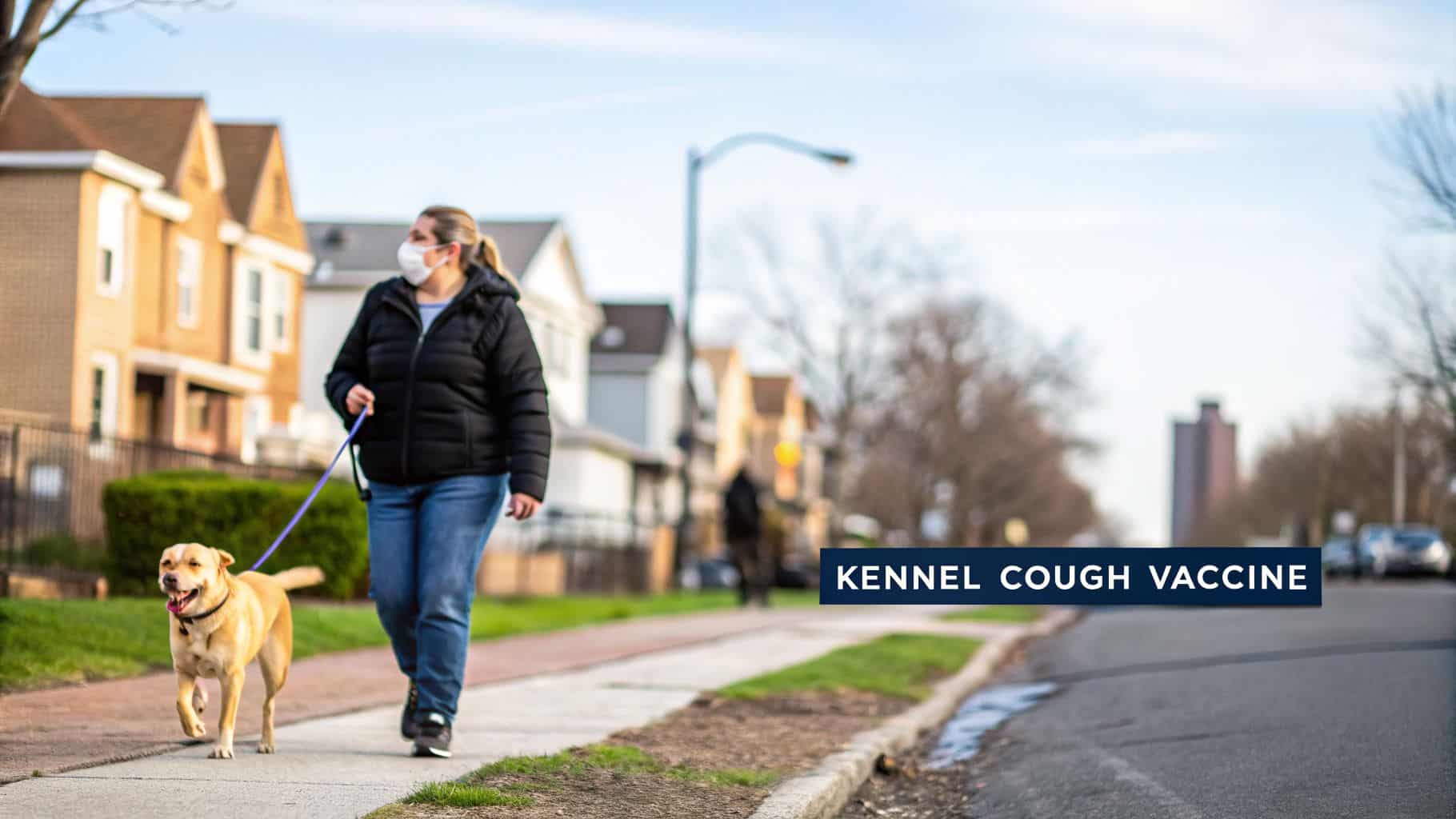
If you're a dog owner in neighborhoods like Oakland Gardens, Bayside, or Fresh Meadows, you’ve likely heard of "kennel cough." But what is it, really?
It's essentially the dog version of a human cold—a mix of viruses and bacteria that causes a distinct cough and spreads easily wherever dogs gather. Its official name is Canine Infectious Respiratory Disease (CIRD).
The name "kennel cough" can be misleading because dogs can catch it almost anywhere. It spreads through airborne droplets from a cough or sneeze, direct nose-to-nose contact, or sharing contaminated items like water bowls and toys. That makes busy city sidewalks, groomers, and dog parks prime spots for it to spread.
Quick Facts About the Kennel Cough Vaccine
Here's a quick rundown of what every pet owner in Queens should know about the Bordetella vaccine.
| Key Aspect | What Pet Owners Need to Know |
|---|---|
| Primary Target | Protects against Bordetella bronchiseptica, the main bacterial cause. |
| Vaccine Goal | Reduces the risk and severity of illness. Think mild cold vs. a severe, hacking cough. |
| How It Spreads | Airborne droplets, direct contact, and contaminated items (toys, bowls). |
| High-Risk Areas | Dog parks, daycare, boarding facilities, groomers, training classes. |
| Why Vaccinate? | Helps prevent serious complications like pneumonia and keeps your dog comfortable. |
This table provides the basics, but let's explore why this protection is so important for our community's dogs.
The Role of the Vaccine
The vaccine's main job is to arm your dog's immune system against Bordetella bronchiseptica.
While no vaccine is 100% foolproof, it makes a huge difference. A vaccinated dog that gets exposed is far more likely to have a mild sniffle or a slight cough instead of the miserable, deep, hacking cough that can last for weeks.
Vets in the U.S. diagnose an estimated 5.5 million cases of kennel cough each year, but the real number is likely much higher. You can dive deeper into kennel cough statistics and see why proactive care is so critical.
A vaccinated dog is far better equipped to handle exposure. The goal is to prevent severe illness, avoid complications like pneumonia, and keep your companion comfortable and healthy.
Who Benefits Most from the Vaccine?
If your dog regularly participates in any of these activities in Queens, we strongly recommend vaccination:
- Doggy Daycare: Constant close contact makes daycare a hotspot for transmission.
- Boarding or Kenneling: Reputable facilities in areas like Glen Oaks or Little Neck will require proof of vaccination to protect all the animals in their care.
- Grooming Salons: Shared spaces and proximity to other dogs increase the risk.
- Dog Parks: Social hubs like Cunningham Park are perfect places for respiratory illnesses to spread.
- Training Classes: Group settings are another common place for dogs to pass germs.
Understanding the kennel cough vaccine empowers you to make the right health decisions for your dog. It’s a simple step that provides powerful protection, ensuring they can safely enjoy everything our vibrant Queens communities have to offer.
Text us at 718-301-4030. If symptoms are severe or after hours, go directly to a 24/7 emergency hospital.
Kennel Cough Symptoms and When to Seek Care
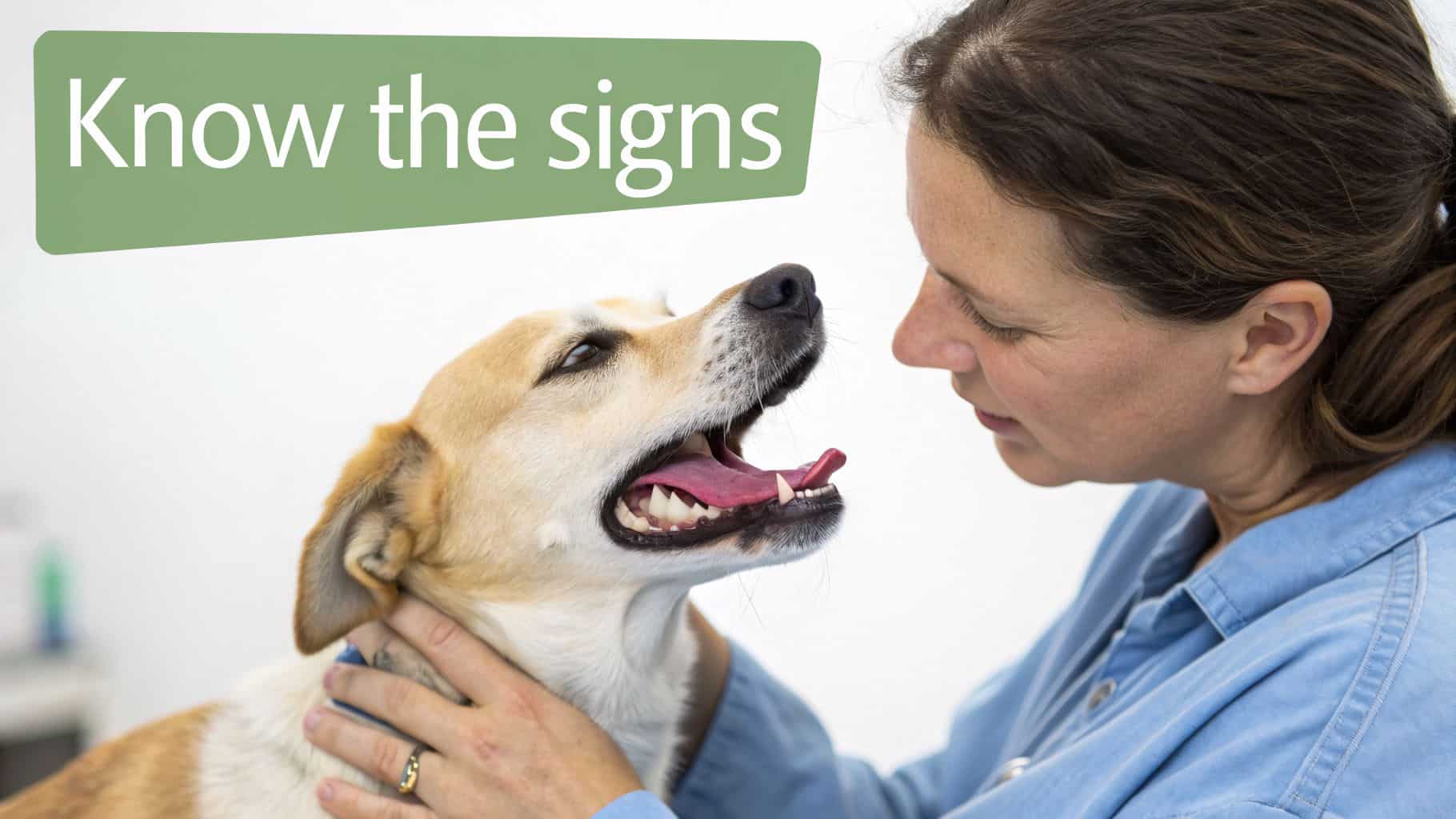
"Kennel cough" is a catch-all term for Canine Infectious Respiratory Disease (CIRD). It’s not just one bug, but a mix of viruses and bacteria causing a highly contagious respiratory infection. The most common bacterial cause is Bordetella bronchiseptica, which is the main target of the vaccine.
The illness spreads easily. It travels through airborne droplets from a cough or sneeze, direct sniffing, or sharing contaminated items. For social dogs in neighborhoods like Queens Village and Hollis, any place dogs gather can be a potential hotspot.
Common Symptoms to Watch For
The number one sign of kennel cough is a loud, forceful, "honking" cough. Many owners describe it as sounding like something is stuck in their dog’s throat.
Other common signs include:
- A persistent, dry cough
- Sneezing and a runny nose
- Gagging or retching, especially after activity
- Watery eyes
- Mild lethargy or low energy
Most dogs with mild kennel cough remain bright and alert, with a normal appetite. It's when symptoms worsen that you need to take action.
For many healthy adult dogs, kennel cough is self-limiting, meaning it often resolves on its own in a week or two. The crucial part is monitoring them closely for any sign of decline, as things can change quickly for more vulnerable dogs.
When Is It Urgent vs. an Emergency?
While often mild, kennel cough can become serious, especially for puppies, seniors, and dogs with other health issues. Knowing when to call your vet versus when to go straight to a 24/7 hospital is critical.
When to Contact Your Vet (Urgent Care)
It's time to get in touch if:
- Your dog has a persistent cough but is otherwise eating and acting normally.
- You notice they're a bit lethargic or their appetite is slightly off.
- The cough isn't improving after a few days.
When It’s an Emergency (Go to a 24/7 Hospital)
Go to an emergency hospital immediately if you see:
- Difficulty Breathing: This is always an emergency. Look for labored breathing, rapid panting, or pale gums. Learn to spot the signs of respiratory distress in dogs.
- High Fever: A temperature well over the normal 100-102.5°F range.
- Severe Lethargy: Your dog is unresponsive, can't get up, or seems completely out of it.
- Loss of Appetite: They refuse all food or water for more than a day.
- A "Wet" Cough: If the cough sounds moist or your dog starts coughing up phlegm, it may be progressing to pneumonia.
What to Do Before You Arrive
If you suspect your dog has kennel cough, follow these steps:
- Isolate Your Dog: Keep them away from all other dogs to prevent spreading the illness.
- Call Ahead: Let the veterinary clinic know you are coming and that your dog is coughing. This allows the staff to prepare an isolated area and prevent exposure to other pets in the waiting room. You may be asked to wait in your car until it's your turn.
Text us at 718-301-4030. If symptoms are severe or after hours, go directly to a 24/7 emergency hospital.
How Different Kennel Cough Vaccines Work
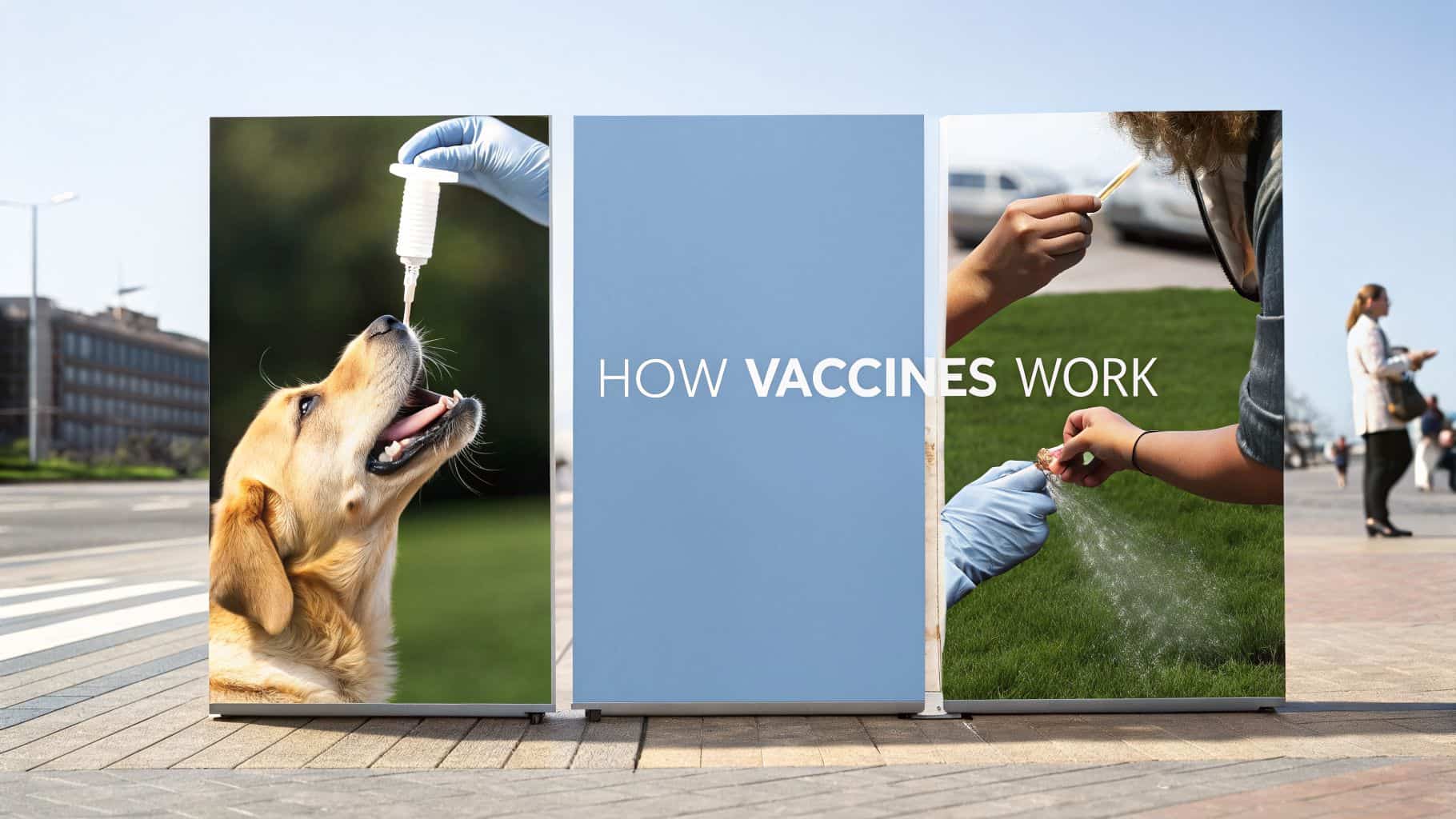
When you hear "kennel cough vaccine," you might picture a standard shot. But there are actually three different ways to give this vaccine, and each works a little differently. Knowing the options helps you have a better conversation with your vet about what’s right for your pup.
Not all vaccines are one-size-fits-all. The best choice depends on your dog's lifestyle, health, and how quickly they need protection. We tailor our recommendations for every pet, whether they’re a homebody in Glen Oaks or a social butterfly at the Bayside dog park.
The Three Types of Kennel Cough Vaccines
The biggest difference between the vaccines is how they're administered. Each one triggers the immune system in a unique way.
Here are the main options your vet might discuss:
- Intranasal Vaccine: A gentle mist squirted directly into your dog's nostrils.
- Oral Vaccine: A liquid vaccine given as drops into your dog’s mouth, usually in the cheek pouch.
- Injectable Vaccine: The traditional "shot" given just under the skin.
Each has its own pros and cons, especially when it comes to how fast they work.
Local vs. Systemic Immunity
To make this clearer, let’s imagine your dog's respiratory system is a building. The main entrances are the nose and mouth.
The intranasal and oral vaccines work by placing a security team right at the front doors. They create a strong, local defense to neutralize the Bordetella bacteria the moment it tries to enter.
The injectable vaccine is like setting up a central command center that trains an internal security team. This team circulates throughout the entire body and is ready to fight off any intruders that get past the initial entry points. This creates a systemic, body-wide response.
Pros and Cons of Each Vaccine Type
Choosing a vaccine is a strategic decision. The intranasal and oral vaccines work incredibly fast, often providing protection within 48 to 72 hours. This makes them an excellent choice for dogs who need to be boarded or go to the groomer on short notice.
Research has shown these local vaccines are highly effective. You can read more about the findings on vaccine efficacy here. The injectable vaccine, while also effective, takes longer to build a full immune response—often one to two weeks. It can be a great option for dogs who are too anxious to tolerate drops in their nose or mouth.
Comparing Kennel Cough Vaccine Types
This table breaks down the key differences to help you see how each vaccine stacks up.
| Vaccine Type | How It's Given | Speed of Protection | Best For |
|---|---|---|---|
| Intranasal | Squirt in the nose | Fast (48-72 hours) | Dogs needing quick immunity before boarding, grooming, or daycare. |
| Oral | Drops in the mouth | Fast (48-72 hours) | Dogs who dislike nasal sprays but still need rapid protection. |
| Injectable | Shot under the skin | Slower (1-2 weeks) | Dogs who won't tolerate oral or nasal administration. |
Ultimately, the goal is to give your dog the best possible shield against kennel cough. By understanding how each vaccine works, you can team up with your veterinarian to pick the perfect defense strategy for your companion's unique life here in Queens.
Text us at 718-301-4030. If symptoms are severe or after hours, go directly to a 24/7 emergency hospital.
Deciding if Your Dog Needs the Vaccine
Does my dog need the kennel cough vaccine? The short answer is that it depends on your dog’s lifestyle.
While not always required by law, we strongly recommend it for most dogs in Queens. Our borough is densely populated, meaning exposure is always a real possibility, even on a simple walk.
To help you decide, let's look at your dog’s social life and risk level.
High-Risk Dogs: The Social Butterflies
If your dog frequently interacts with other dogs, vaccination is essential.
Your dog is likely high-risk if they regularly visit:
- Doggy Daycare or Boarding Facilities: These are the most common hotspots. Reputable spots in Queens Village or Hollis will require proof of vaccination.
- Grooming Salons: Shared air and close quarters mean germs can spread easily.
- Dog Shows or Competitions: Large events create a perfect storm for an outbreak.
- Frequent Training Classes: Group learning is a high-contact zone.
For these social pups, the vaccine acts as a crucial shield.
Medium-Risk Dogs: The Weekend Warriors
Many dogs in our Queens neighborhoods fit this description. They aren't social every day, but they aren't complete homebodies either.
Your dog is likely medium-risk if they:
- Occasionally visit dog parks: A weekend run at Cunningham Park is fun, but it still brings them into close contact with other dogs.
- Have regular playmates: Even a small circle of furry friends can introduce new germs.
- Go on walks in popular areas: Walking through busy streets in Bayside or Little Neck means encountering other pets.
Even occasional exposure is enough to warrant vaccination.
Low-Risk Dogs: The Content Homebodies
Some dogs prefer a quiet life with minimal contact with other animals.
Your dog is likely low-risk if they:
- Mostly stay at home or in your private yard.
- Are the only pet in the household.
- Rarely interact with unknown dogs on walks.
However, even for these dogs, an unexpected vet stay or trip to the groomer could expose them. It’s always best to discuss their lifestyle with your vet.
The decision to vaccinate is a collaborative one between you and your veterinarian. We consider your dog's age, health, and daily routines to create a personalized plan.
Special Considerations for Puppies and Seniors
Age also plays a huge role in vaccination decisions.
- Puppies: Young pups are building their immune systems. The kennel cough vaccine is a key part of their initial shot series, preparing them to safely explore the world. You can learn more about what vaccines dogs need in our detailed guide.
- Senior Dogs: Older dogs often have weaker immune systems, making them more vulnerable to severe complications like pneumonia. Vaccination helps protect them from these risks.
The best way to decide is to have a conversation about your dog's unique life.
Text us at 718-301-4030. If symptoms are severe or after hours, go directly to a 24/7 emergency hospital.
How Well Does the Vaccine Actually Work? And What About Side Effects?
How effective is this vaccine? Just like the human flu shot, its goal is to significantly reduce the risk and severity of the illness. It can't prevent every single case, but it turns a potentially serious threat into a minor one.
"Kennel cough" is an umbrella term for a cough caused by several different bugs. The vaccine specifically targets the most common bacterial cause, Bordetella bronchiseptica. A vaccinated dog might still get a mild sniffle from another virus, but they’ll be protected from the deep, hacking cough that can lead to pneumonia.
The point is harm reduction. A vaccinated dog who gets exposed is far more likely to have a few sneezes and go on with their day, instead of getting truly sick.
Vaccine Efficacy: What the Data Shows
Modern kennel cough vaccines—especially the oral and intranasal types—are very good at building immunity right where it’s needed: in the nose and throat. They create a "first line of defense" that can neutralize the bacteria the moment your dog breathes it in.
Clinical studies show remarkable results. One key study showed an oral Bordetella vaccine gave 100% prevention of coughing in vaccinated dogs, while over 76% of unvaccinated dogs got sick after exposure. Another study confirmed that even a full year after vaccination, symptoms were reduced to just 9% in the vaccinated group compared to 74% in unprotected dogs. You can explore the research behind modern vaccine efficacy for yourself.
The vaccine turns a potential major illness into a minor inconvenience. It’s about making sure your dog can bounce back fast without the risk of dangerous secondary infections like pneumonia.
Common (and Very Mild) Side Effects
Like any vaccine, your dog might have some minor side effects. This is a normal sign that their immune system is learning to fight the real thing. Side effects usually depend on the type of vaccine they receive.
For Oral or Intranasal Vaccines:
- A little sneezing
- A mild, soft cough
- A bit of a runny nose or watery eyes
These signs usually appear within a few days and go away on their own.
For the Injectable Vaccine:
- Some soreness or a small lump at the injection site
- Feeling tired or lethargic for a day
- A slight fever
Again, this is temporary and a normal part of the immune response.
When You Should Call the Vet
Serious reactions are extremely rare, but you should always feel prepared. Get in touch with us if you see any of these signs after a vaccination:
- Vomiting or diarrhea
- Hives, facial swelling, or trouble breathing (signs of an allergic reaction)
- A cough that lasts more than a couple of days or gets worse
- Significant lethargy or refusal to eat
These symptoms are uncommon, but they warrant a call.
Text us at 718-301-4030. If symptoms are severe or it's after hours, please go directly to a 24/7 emergency hospital.
Frequently Asked Questions About the Kennel Cough Vaccine
Here are answers to some of the most common questions we hear from pet owners in Queens. Our goal is to provide clear, straightforward information so you feel confident in your dog’s healthcare.
Can I treat kennel cough at home?
While mild cases can resolve on their own, it's always best to consult a vet. A proper diagnosis is needed to rule out more serious conditions like canine influenza or pneumonia. Your vet can provide supportive care recommendations, such as using a humidifier or ensuring your dog gets plenty of rest. Do not give your dog human medications unless explicitly instructed by your veterinarian, as many are toxic to pets.
How often does my dog need the vaccine?
For most adult dogs, an annual booster is sufficient to maintain protection. However, if your dog is at high risk—frequently visiting daycare, boarding facilities, or groomers in Queens—some of these places may require a booster every six months. We will discuss your dog's routine to create a schedule that gives them the best protection.
How quickly is my puppy protected after vaccination?
This depends on the type of vaccine:
- Intranasal and Oral Vaccines: These work quickly, building immunity within 48 to 72 hours. This makes them a great choice for last-minute boarding or grooming appointments.
- Injectable Vaccine: This traditional shot takes longer, usually one to two weeks, to build a strong defense.
You can also check out our guide on puppy shot costs and schedules for more information.
Can a vaccinated dog still get kennel cough?
Yes, it’s possible, but the illness will almost always be much milder. Think of it like the human flu shot—you might still get a light cold, but you are protected from severe sickness. A vaccinated dog might have a few sneezes or a slight cough instead of the severe, "honking" cough that can lead to pneumonia in an unvaccinated dog. The vaccine's main job is preventing severe illness.
At Union Vet NY, we are dedicated to providing clear guidance and personalized care for your beloved pets. Text us at 718-301-4030. If symptoms are severe or after hours, go directly to a 24/7 emergency hospital. To learn more about our services or to schedule an appointment, please visit our website at https://unionvetny.com.
