
The Best Diet for Senior Dogs: A Practical Guide for Queens Pet Owners
As your dog enters their golden years, what you put in their bowl becomes one of the most important healthcare decisions you can make. The best diet for a senior dog is one that’s built for their changing body—it needs to have easily digestible, high-quality protein to keep their muscles strong, fewer calories to match their slower metabolism, and key nutrients like glucosamine and omega-3s to support aging joints and keep their mind sharp. This guide offers practical advice for pet owners in Oakland Gardens, Bayside, and surrounding Queens neighborhoods.
Understanding Your Senior Dog's New Nutritional Needs
Watching your dog slow down a bit on your walks through Kissena Park is a visible sign of aging, but inside, their body is changing, too. Their metabolism isn't what it used to be, and since they’re generally less active, they simply don’t burn as many calories.
This is exactly why you can't just feed them a smaller portion of their old adult food. That approach often leads to nutrient deficiencies. Senior dog foods are specifically formulated to provide all the good stuff they need without the extra calories that can lead to obesity—a major health risk for older dogs.
Here’s a quick comparison of the key nutritional shifts your dog needs as they get older.
Nutritional Shifts From Adult to Senior Dogs
| Nutrient Focus | Adult Dog Needs | Senior Dog Needs | Why It Changes |
|---|---|---|---|
| Calories | Higher to support an active lifestyle | Lower to prevent weight gain | Metabolism slows down and activity levels typically decrease. |
| Protein | High-quality protein for muscle maintenance | High-quality, easily digestible protein | To combat age-related muscle loss (sarcopenia) without overworking the kidneys. |
| Fat | Balanced for energy | Lower levels, but rich in omega-3s | Reduces calorie density while providing anti-inflammatory benefits for joints and brain health. |
| Fiber | Moderate levels for regular digestion | Increased fiber | Aids in preventing constipation, promotes gut health, and helps dogs feel full to manage weight. |
| Joint Support | Not a primary focus in standard adult diets | Added glucosamine & chondroitin | Helps support and cushion aging cartilage, easing stiffness and improving mobility. |
This table shows it’s not just about less food, but about smarter, more targeted nutrition for their specific life stage.
Why Protein Quality Is So Important
A major concern for aging dogs is the gradual loss of muscle mass, a condition called sarcopenia. You might notice it as weakness in their back legs or a less-toned physique. The best way to fight this is with high-quality protein that’s easy for their body to use.
Think of it this way: their body's "construction crew" for muscle repair just isn't as efficient anymore. Providing easily absorbed protein from sources like chicken or fish gives that crew the best possible building materials to work with, helping preserve their strength and mobility. Vague ingredients like "meat and bone meal" just don't cut it.
Key Takeaway: Senior dogs don't necessarily need less protein; they need better protein that their bodies can absorb easily to fight off natural muscle wasting and stay strong.
Essential Nutrients for Their Golden Years
Beyond protein and calories, the best senior diets are packed with a team of supportive nutrients that target common age-related problems.
- Omega Fatty Acids: Found in fish oil, these are incredible for reducing inflammation in stiff, arthritic joints. They also play a big role in supporting brain health.
- Glucosamine & Chondroitin: These are the building blocks of cartilage. Adding them to the diet helps cushion the joints, which is especially important for dogs navigating the stairs and sidewalks here in Queens.
- Antioxidants: Vitamins E and C help protect the body's cells from damage and give a boost to an immune system that may be weakening with age.
- Increased Fiber: Healthy fiber from sources like pumpkin or beet pulp helps keep their digestion regular and can help them feel full, making weight management much easier.
Choosing the right food is a core part of their healthcare plan, directly impacting their day-to-day comfort and quality of life. And since good health starts with the mouth, be sure to check out our guide on how to brush dog teeth at home.
Choosing Foods for Common Senior Health Conditions
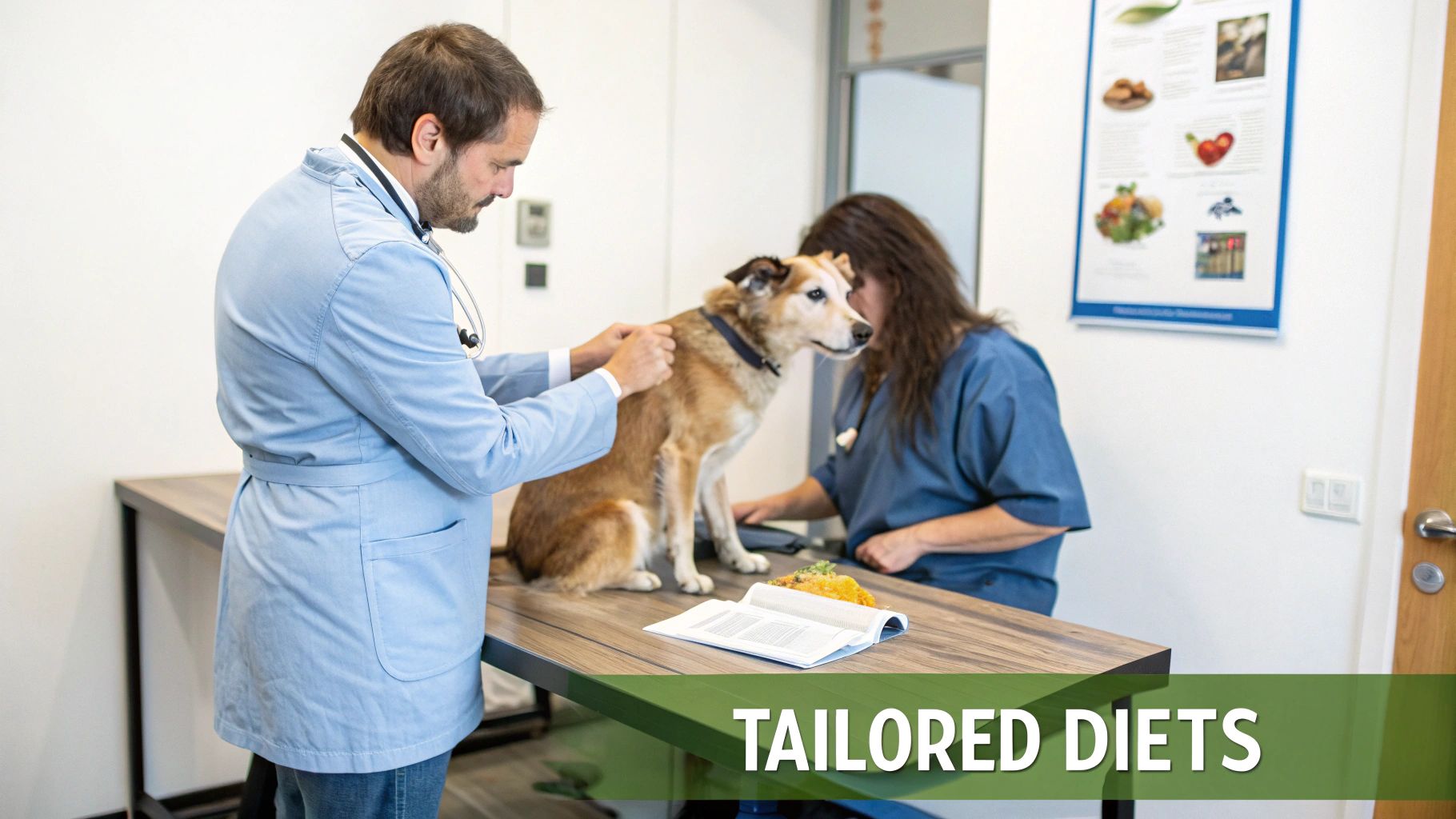
As dogs get older, they’re much more likely to develop health issues where diet isn’t just about nutrition—it becomes a powerful tool for managing their comfort and health. Maybe you've noticed your dog seems stiff after a walk around Fresh Meadows, or maybe their appetite just isn't what it used to be. The right food can make a world of difference.
It’s easy to grab a bag labeled "senior," but a dog with a specific medical need requires a much more targeted approach. This is why specialized veterinary diets are so important. In our Queens community, we see firsthand how targeted nutrition can improve a senior dog's quality of life.
Supporting Stiff Joints and Arthritis
One of the most frequent complaints we hear from senior dog owners in Bayside and Glen Oaks is about arthritis. You might see your dog getting up more slowly, hesitating before jumping on the bed, or just looking sore after a nap. These are classic signs that their joints need help.
A diet designed for joint health is one of the best things you can do. The key isn't a single magic ingredient, but a combination of them:
- Omega-3 Fatty Acids: Sourced from fish oil (specifically EPA and DHA), these are potent natural anti-inflammatories that help cool down the painful inflammation in the joints.
- Glucosamine & Chondroitin Sulfate: Think of these as the building blocks for cartilage. Adding them to the diet helps cushion the joints and can slow down further cartilage breakdown.
- Weight Management: This is non-negotiable. Extra pounds put a huge strain on sore joints. A lower-calorie food that’s high in fiber will be essential to keep them lean.
By tackling inflammation from the inside out and supporting joint structure, you can genuinely improve their mobility and make their day-to-day life more comfortable.
Managing Chronic Kidney Disease
Kidney disease is another common diagnosis in older dogs. The first signs are often subtle—maybe your dog is just drinking a lot more water and needing to go out more often. But as it progresses, you might see a poor appetite, weight loss, and lethargy. For these dogs, diet is the single most important part of their management plan.
The main goal of a kidney diet is to reduce the workload on the kidneys. This requires very specific nutritional changes you just can't get from a regular bag of dog food.
A therapeutic kidney diet will have:
- Controlled Phosphorus: High phosphorus levels are toxic to ailing kidneys and speed up the disease. Limiting it is one of the most effective things we can do.
- High-Quality, Reduced Protein: Kidneys filter waste from protein. A special diet uses a smaller amount of highly digestible protein to minimize waste buildup without letting your dog lose muscle.
- Increased Omega-3 Fatty Acids: These help fight inflammation within the kidneys themselves, which can help preserve the function they have left.
- Added B-Vitamins: Damaged kidneys leak water-soluble vitamins. These diets are fortified to replace what’s lost through increased urination.
Switching to a veterinary kidney diet is a game-changer. It can significantly extend both the quality and length of your dog’s life.
Addressing Weight and Diabetes
Just like with people, obesity is a huge risk factor for many diseases in senior dogs, especially diabetes. If your dog is always hungry and packing on pounds—or the opposite, losing weight despite a good appetite—it's time for a vet visit.
For simple weight management, the goal is to help them feel full on fewer calories. Look for foods with:
- High Fiber: This adds bulk and helps your dog feel satisfied, cutting down on the begging.
- L-Carnitine: This amino acid helps their body convert fat into energy, promoting a leaner body.
- Lower Fat Content: A straightforward way to reduce the calorie count in each meal.
For dogs diagnosed with diabetes, diet is all about stabilizing blood sugar. A diabetic diet uses complex carbohydrates and high fiber to slow down how quickly glucose is absorbed. This prevents the dangerous spikes and crashes in blood sugar that make them feel sick. And if your dog also has a sensitive stomach, our guide on what to feed a dog with a sensitive stomach has extra tips.
Ultimately, choosing the right food for a senior dog with a health condition is a team effort between you and your vet. A proper diagnosis comes first—then we can build the nutritional plan that will truly support them.
Text us at 718-301-4030. If symptoms are severe or after hours, go directly to a 24/7 emergency hospital.
Prescription Diets vs. Over-The-Counter Foods
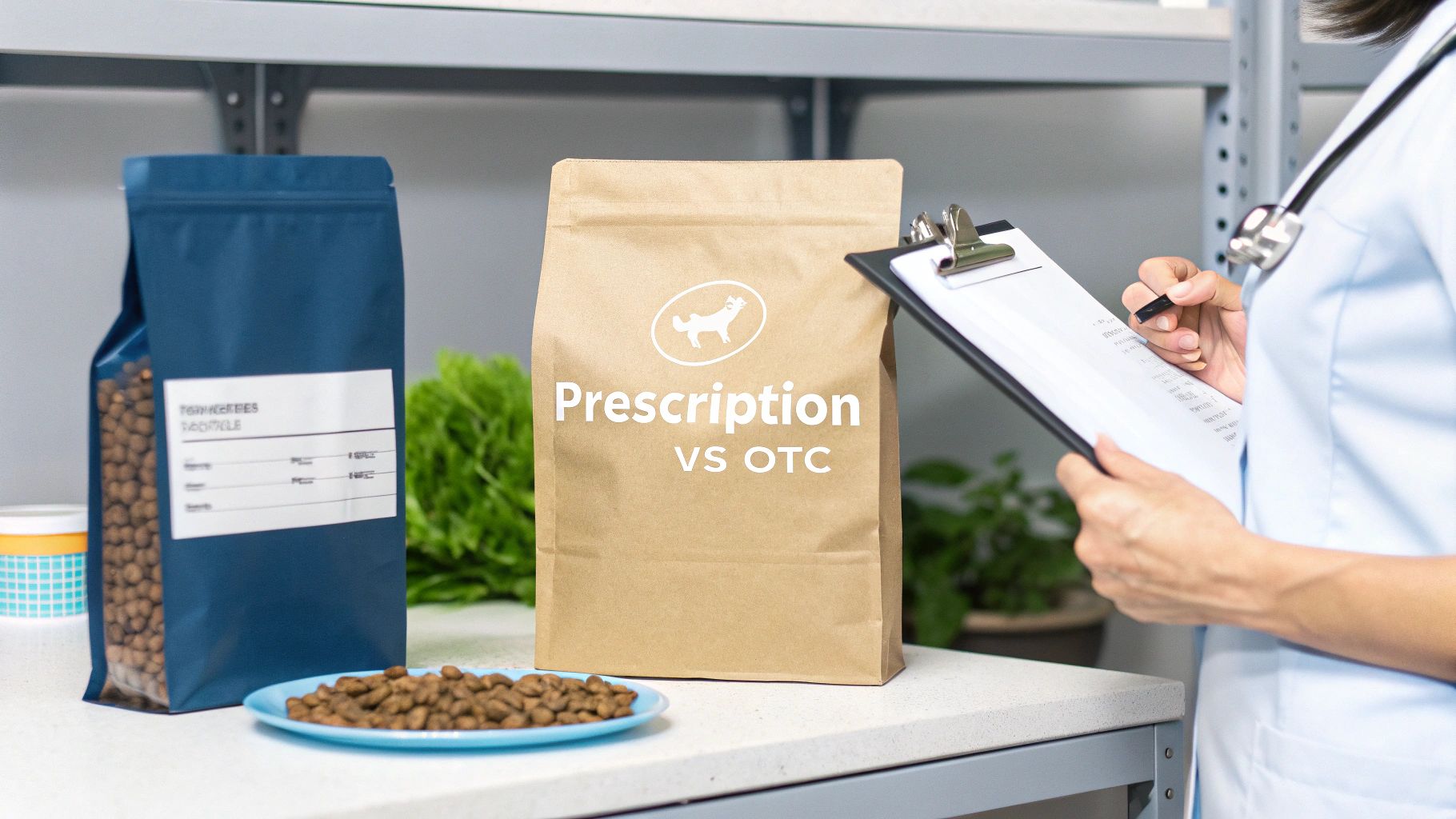
When you walk down the pet food aisle, the sheer number of "senior" formulas is enough to make your head spin. It's a common question we get: What really separates those store-bought bags from the prescription diets we recommend?
The short answer? Precision. Research. And the ability to manage a diagnosed medical condition.
Many over-the-counter (OTC) senior foods are a decent step up from a standard adult diet. They often have fewer calories and might toss in some supplements like glucosamine for joint health. That's a good start, but the nutrient levels can be all over the place, and they aren't formulated to actually treat a health problem.
Therapeutic, or prescription, diets are a different league entirely. They’re formulated like medicine to achieve a specific, measurable result.
The Role of a Prescription Diet
Think of a prescription diet as a core part of your dog's treatment plan. These formulas are backed by extensive clinical research and are carefully formulated to treat, manage, or prevent disease.
Here are a few real-world scenarios we see with senior dogs from all over Queens, from Hollis to Little Neck:
- For Early Kidney Issues: Your dog's latest bloodwork shows their kidneys are starting to struggle. An OTC food simply won't cut it. A prescription kidney diet has precisely controlled levels of high-quality protein and low phosphorus to ease the workload on the kidneys.
- For Moderate to Severe Arthritis: Walks around Cunningham Park have become slow and stiff. While a store-bought joint formula might offer a little help, a therapeutic diet contains clinically proven levels of omega-3 fatty acids that actively work to reduce joint inflammation.
- For Managing Diabetes: A diabetic dog needs a diet that keeps blood sugar stable. Prescription formulas are designed with specific fiber types and complex carbs that slow down glucose absorption, helping you avoid those dangerous spikes and crashes.
These diets provide a level of nutritional support that you just can't find on a pet store shelf.
Understanding OTC Senior Formulas
For a generally healthy senior dog, a high-quality over-the-counter food can be a perfectly good choice. It's certainly better suited for their age than a standard adult formula. But their focus is on general wellness, not medical intervention.
The real difference is this: OTC senior foods are designed for the "average" healthy older dog. Prescription diets are tailored to manage the specific nutritional needs of a senior dog with a diagnosed health condition.
Many owners know their senior needs something different, but it can be hard to navigate the options. Some aging dogs may need double the protein of a younger adult to fight off muscle loss, a requirement that veterinary diets are designed to meet precisely. These evidence-based foods are also formulated with beneficial ingredients like omega-3s to support overall health in a targeted way. You can learn more about the nutritional science for senior pets to see just how much the details matter.
Making the Right Choice for Your Dog
So, how do you decide what’s best? It always starts with a conversation and a thorough check-up.
If your senior dog is healthy with no underlying medical issues, a top-tier OTC food might be all you need. But once there's a diagnosis—kidney disease, heart trouble, diabetes, or even certain food allergies—a prescription diet becomes one of the most powerful tools we have to improve their quality and length of life. Our guide to prescription dog food for allergies dives deeper into how this targeted nutrition works.
Choosing the right diet is a team effort, and our goal is to make sure your dog’s golden years are as comfortable and healthy as they can be.
Text us at 718-301-4030. If symptoms are severe or after hours, go directly to a 24/7 emergency hospital.
How to Read a Dog Food Label for Your Senior Pet
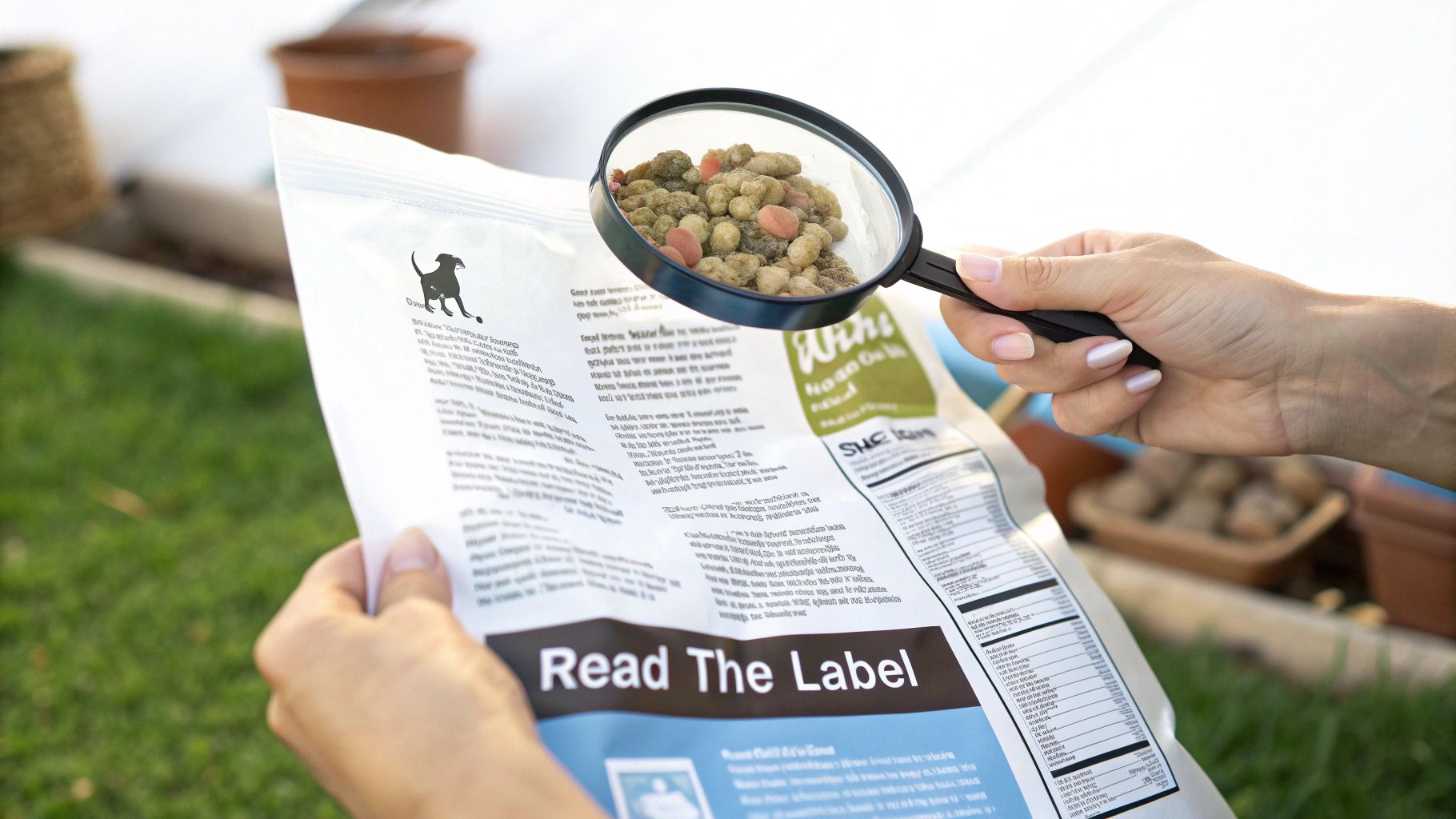
Let's be honest—dog food bags are designed by marketing teams, not veterinarians. The front of the bag is full of beautiful pictures and buzzwords like "natural" or "grain-free," but the real information is always on the back.
For pet owners here in Queens, learning to read that label is the single most important skill you can have when choosing a food. It lets you cut through the advertising noise and see what you're really feeding your older dog.
We'll break down the three sections that matter most: the ingredient list, the guaranteed analysis, and the AAFCO statement. Once you know what to look for, you can compare any two bags with confidence.
The Ingredient List: What's Really Inside?
Ingredients are listed by weight, starting with the heaviest. This means the first few items make up the bulk of the food. For a senior dog, you want to see a high-quality, recognizable protein source right at the top.
Vague terms are a huge red flag. Here's a quick cheat sheet for what we look for:
- Green Flag: The first ingredient is a specific, whole protein like "deboned chicken," "lamb," or "beef." This is exactly what you want to see for maintaining muscle mass in an older dog.
- Red Flag: You see generic terms like "meat and bone meal" or "poultry by-product meal." These are lower-quality, less digestible protein sources.
- Green Flag: The list includes whole foods like sweet potatoes, peas, and carrots. These are great natural sources of fiber and vitamins.
- Red Flag: The list contains artificial preservatives like BHA, BHT, or ethoxyquin. Good-quality foods use natural preservatives, often listed as mixed tocopherols (which is just a source of Vitamin E).
Guaranteed Analysis: The Numbers Game
The guaranteed analysis panel gives you the minimum percentages of crude protein and fat and the maximum percentages of fiber and moisture. These numbers are a good starting point, but they can be misleading on their own.
A food can have a high protein percentage that comes from poor-quality, less digestible sources. This is why you have to look at the guaranteed analysis and the ingredient list together. A food with 26% crude protein from "deboned chicken" is worlds better than one with the same percentage from "meat and bone meal."
The AAFCO Statement: The Official Seal of Approval
This is non-negotiable. The Association of American Feed Control Officials (AAFCO) sets the nutritional standards for pet foods in the U.S. If you can't find this statement, put the bag down.
You're looking for language confirming the food is "complete and balanced" for a specific life stage. For seniors, look for a statement that says the food is formulated to meet the nutritional levels for "maintenance" or "all life stages." This is your assurance that it contains all the essential nutrients your dog needs to thrive.
Putting the New Diet Into Practice: Your Senior Dog's Feeding Plan
Once you’ve found the right food, the next step is creating a feeding plan that works. It’s not just about what’s in the bowl; how you feed your senior dog is just as important. For pet owners across Queens, from Hollis to Little Neck, a solid routine brings comfort to your aging companion and helps you stay on top of their health.
A good plan starts with the right portion size. The feeding guide on the bag is a useful starting point, but that's all it is—a start. Every dog’s metabolism is different, so you'll need to fine-tune the amount based on your individual dog.
Beyond the Bag: Getting Portion Control Right
The best tool for figuring out the perfect portion isn't a measuring cup—it's the Body Condition Score (BCS). This is a simple, hands-on check you can do right at home.
Gently run your hands along your dog's sides. You should be able to feel their ribs under a thin layer of fat, similar to the back of your hand. If you have to push hard to find them, your dog may be carrying extra weight. If their ribs feel sharp and obvious, they might be underweight.
Based on this, adjust their food in small increments, about 10% at a time, and see how their body and energy levels respond.
Our Pro Tip: Ditch the scoop and use a kitchen scale. Weighing your dog's food ensures you're feeding the exact same amount at every meal. It takes the guesswork out of portion control and is one of the most effective ways to manage their weight.
The "Slow and Steady" Rule for Switching Foods
Abruptly changing your dog's diet is a recipe for an upset stomach, especially for seniors whose digestive systems can be more sensitive. A gradual transition is key to avoiding issues like gas or diarrhea.
We always recommend a slow switch over 7 to 10 days. This gives the good bacteria in your dog’s gut enough time to adjust to the new ingredients, making for a much smoother and happier transition. Here’s a simple schedule to follow.
7-Day Food Transition Schedule
This sample guide helps prevent digestive upset by slowly introducing the new food.
| Day | Old Food Percentage | New Food Percentage | Notes |
|---|---|---|---|
| Days 1-2 | 75% | 25% | Keep an eye on their stool. A little softness at first is okay. |
| Days 3-4 | 50% | 50% | By now, your dog should be adjusting to the new food's taste. |
| Days 5-6 | 25% | 75% | Almost there! Most of the meal is the new diet. |
| Day 7+ | 0% | 100% | You've successfully made the switch to the new food. |
This timeline is a guide—some dogs need a little longer, and that's perfectly fine. If you notice any significant diarrhea or vomiting, pause the transition and contact us for advice.
Monitor and Adjust as You Go
Once your dog is fully on their new diet, your job is to be a good observer. Paying close attention to a few key areas will tell you exactly how well the new food is working.
- Energy Levels: Is your dog a bit more spry on your walks through Oakland Gardens? A diet that meets their needs should support consistent, stable energy.
- Coat and Skin: A glossy coat and healthy, itch-free skin are great signs they're getting the right nutrients and fatty acids.
- Stool Quality: Look for firm, consistent, and easy-to-pick-up stool. This is a direct indicator of good digestive health.
Don't hesitate to make small tweaks. Finding the perfect feeding plan is a process, and it all comes down to fine-tuning based on how your dog looks, feels, and acts.
Text us at 718-301-4030. If symptoms are severe or after hours, go directly to a 24/7 emergency hospital.
When a New Diet Causes Problems: What to Watch For
Sometimes, a new diet doesn't agree with a senior dog, or an underlying issue becomes more obvious. Knowing the difference between a minor issue and a serious problem is key.
Symptoms to Monitor
- Digestive Upset: Occasional soft stool or gas can be normal during a transition. Persistent diarrhea or vomiting is not.
- Skin & Coat Changes: Increased itching, dandruff, or a dull, greasy coat can indicate a food sensitivity.
- Behavioral Changes: Lethargy, low energy, or a sudden loss of appetite are important signs that something is wrong.
- Weight Loss: Unexplained weight loss, especially if their appetite is good, always requires a veterinary check-up.
Urgent vs. Emergency: When to Act
It can be hard to know when to call us versus when to rush to an emergency clinic. Here’s a simple guide.
When It’s Urgent (Contact Us):
- Diarrhea lasting more than 24-48 hours.
- One or two episodes of vomiting, but your dog is otherwise acting normal.
- Increased scratching or a dull coat.
- A noticeable decrease in energy.
When It’s an Emergency (Go to a 24/7 Hospital Immediately):
- Repeated vomiting or unproductive retching.
- Refusing to eat or drink for more than 24 hours.
- A swollen, hard, or painful abdomen.
- Extreme lethargy, collapse, or difficulty breathing.
What to Do Before You Arrive
If your dog needs to be seen, these steps can help us provide the best care:
- Bring the Food Label: Take a clear photo of the ingredient list and guaranteed analysis on your phone.
- Note the Details: Be ready to tell us when the symptoms started, what they look like, and how your dog is acting.
- Do Not Medicate: Avoid giving any human medications unless your veterinarian advises. Many are toxic to dogs.
Text us at 718-301-4030. If symptoms are severe or after hours, go directly to a 24/7 emergency hospital.
Senior Dog Diet FAQ
Here are straightforward answers to common questions we hear from pet owners in Queens Village, Fresh Meadows, and beyond.
When is my dog considered a “senior”?
It depends on their size. Small breeds often become seniors around 10-12 years old, medium breeds around 8-10, and large or giant breeds as early as 6-7. More important than the number are the signs of aging, like a graying muzzle or slowing down.
Can’t I just feed less of their old food?
This is a common mistake that can lead to nutrient deficiencies. Senior diets are specifically formulated to be lower in calories but higher in essential nutrients like quality protein and joint supplements to support their aging bodies.
Are grains bad for senior dogs?
For most dogs, no. Whole grains are a good source of fiber. A true grain allergy is rare. If you suspect an issue, we can help determine the cause. The focus should be on high-quality ingredients overall, not just the presence or absence of grains.
Why is my senior dog suddenly so picky?
Sudden appetite changes can signal a health problem. Common causes include dental pain, a weaker sense of smell, or an underlying illness like kidney disease. It’s important to rule out medical issues before assuming it’s just fussiness.
At Union Vet NY, we're here to help you find the perfect nutritional plan for your senior dog. We proudly serve the communities of Oakland Gardens, Bayside, Fresh Meadows, Glen Oaks, Little Neck, Hollis, and Queens Village.
Text us at 718-301-4030. If symptoms are severe or it's after hours, go directly to a 24/7 emergency hospital. Learn more about our services at https://unionvetny.com.
