What Does a Full Physical Exam Include? A Vet’s Guide
If you're heading to a wellness visit with your dog or cat in Oakland Gardens, Bayside, or Fresh Meadows, you may be wondering what the appointment is for. Many pet owners expect a quick weight check, vaccines, and maybe a refill. Then the veterinarian starts looking in the eyes, feeling the belly, listening to the chest, checking the skin, and asking about sleep, appetite, and bathroom habits.
That can feel like a lot for a “routine” exam.
A full physical exam is much more than a box to check. It’s a careful head-to-tail review of how your pet is doing today, plus a way to catch small changes before they turn into painful or urgent problems. If you've ever asked, what does a full physical exam include, the short answer is this: a structured look, listen, and hands-on assessment of the whole body, paired with your observations at home.
For pet owners across Queens, that matters. A dog in Little Neck who seems “just a little slower” may be showing early joint pain. A cat in Hollis who still eats normally may still have dental disease. A puppy in Glen Oaks may look perfectly healthy but need parasite screening, vaccine planning, and growth monitoring. Routine exams give us a chance to spot those clues early and act on them calmly.
More Than Just Shots The Value of a Yearly Pet Exam
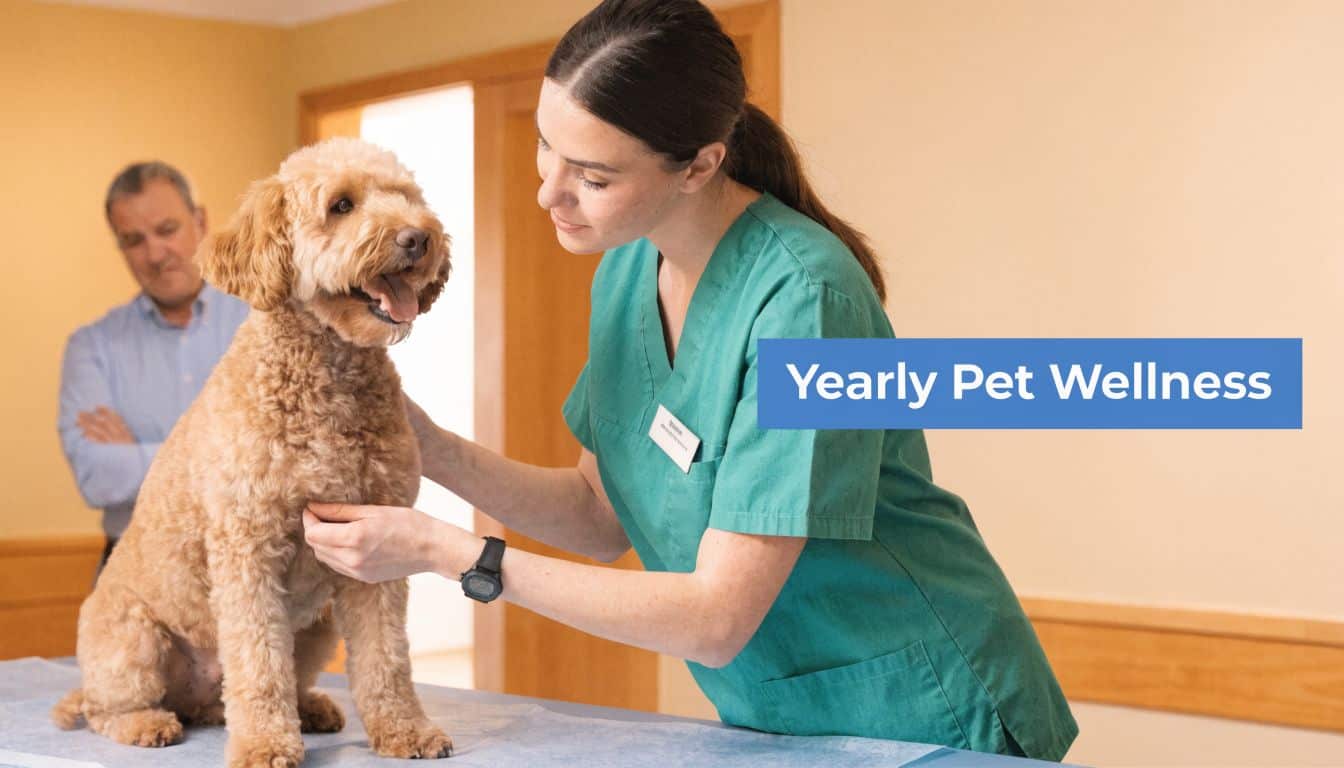
A yearly exam isn't only about vaccines. It's your pet's regular health review.
In both human and veterinary medicine, a full physical exam uses a structured head-to-toe approach with inspection, palpation, auscultation, and percussion, helping detect disease early before it becomes more serious, as described by Cleveland Clinic's overview of physical examinations.
Why healthy-looking pets still need exams
Pets are good at hiding discomfort. Cats especially can act normal long after a problem starts. Dogs often keep eating, walking, and wagging while living with sore teeth, itchy skin, or the early stages of heart disease.
A yearly exam works like a baseline check. If we know what’s normal for your pet, we can notice when something shifts.
That could mean:
- Catching subtle pain: A pet that hesitates on stairs may have early arthritis.
- Finding hidden disease: A normal-looking mouth may still have gum infection below the gumline.
- Tracking trends: Weight gain, weight loss, or changes in heart rate matter more when compared over time.
- Guiding prevention: Diet, parasite prevention, dental care, and vaccine timing all depend on your pet’s age and lifestyle.
A wellness exam is often the moment when a concern stops being vague and becomes something we can actually measure, monitor, and treat.
What owners often misunderstand
A lot of people understandably think, “My pet seems fine, so why come in?”
The challenge is that many early problems don't cause dramatic symptoms. They show up as little things:
- sleeping more
- bad breath
- licking paws
- shaking the head
- drinking a bit more water
- acting stiff after rest
- avoiding jumps
- mild weight change
- new lumps or bumps
Those aren't always emergencies. But they are worth checking.
If you're also reviewing preventive care at home, this guide on what vaccinations your dog needs can help you understand how vaccines fit into the larger picture of routine care.
The exam is a relationship tool too
The best wellness care happens when the veterinary team knows your pet over time. An annual visit gives us a chance to learn your pet’s normal personality, stress signals, activity level, and risk factors.
That makes future care easier. If your pet ever becomes sick, we’re not starting from zero.
For a practical overview of routine prevention services, pet owners can also review https://unionvetny.com/preventive-veterinary-care/.
Text us at 718-301-4030. If symptoms are severe or after hours, go directly to a 24/7 emergency hospital.
The Head-to-Tail Exam A Detailed Breakdown
When people ask what does a full physical exam include, they often picture the stethoscope part. That's only one piece of it.
A thorough pet exam starts before the veterinarian even places a hand on your dog or cat. We watch how your pet walks into the room, how they breathe, how they hold their head, and how they respond to you. Those first quiet observations already tell us a lot.
First comes your history
Your answers matter as much as our hands-on exam.
We usually ask about:
- Appetite and thirst: Eating less, begging more, or drinking more than usual can point to many different issues.
- Bathroom habits: Diarrhea, constipation, urine accidents, or straining all help narrow the list of possible causes.
- Energy and behavior: “Not quite himself” is a useful detail.
- Medications and supplements: Bring names, labels, or photos if needed.
- Itching, licking, coughing, or vomiting: Even if it seems occasional, mention it.
A good exam is part medical assessment, part detective work.
Vital signs and overall body condition
The next step is basic measurement and observation.
We check:
- Weight: Small changes can matter, especially in cats and senior pets.
- Body condition: Weight alone doesn't show whether a pet has lost muscle or gained fat.
- Temperature, pulse, and breathing: These are core clues about current health.
- Hydration: Gum moisture and skin elasticity can help us judge whether a pet may be dehydrated.
If you want a better sense of what counts as normal before your visit, this reference on https://unionvetny.com/normal-vital-signs-for-dogs/ can help you understand the basics.
Mouth and teeth
A pet may look bright and happy while living with a sore mouth.
What we check:
- tartar buildup
- red gums
- loose teeth
- broken teeth
- oral masses
- pain when the mouth opens
- bad breath
Why it matters:
Dental disease is extremely common. It can affect eating, comfort, and quality of life. A pet that still crunches kibble can still have painful teeth.
Eyes and ears
These are small areas, but they reveal a lot.
For the eyes, we look for redness, discharge, cloudiness, squinting, unequal pupils, and eyelid problems. We also notice whether vision seems normal in the room.
For the ears, we look for odor, debris, swelling, redness, pain, and signs of infection or allergies.
Cats often hate ear handling, especially if the ears are already irritated. If you need home-care basics between visits, this guide on how to clean cat ears without the fuss is a helpful starting point.
Practical rule: If your pet is shaking the head, scratching the ears, squinting, or pawing at the face, mention it even if the symptom comes and goes.
Skin and coat
Skin problems don't always begin with dramatic rashes. Sometimes the first sign is more shedding, more licking, or a coat that looks dull.
We look for:
- fleas or flea dirt
- hair loss
- dandruff
- redness
- scabs
- hot spots
- lumps and bumps
- greasy or dry coat
- overgrown nails
- soreness around the paws
Why it matters:
The skin often reflects allergies, parasites, hormone issues, infection, or pain. Paw licking, for example, might be allergy-related, but it can also happen when a pet has discomfort elsewhere.
Heart and lungs
This is the part most owners recognize. We use a stethoscope to listen carefully to the chest.
In veterinary medicine, auscultation can detect heart murmurs that may indicate valvular disease, with prevalence up to 30% in senior dogs, according to the veterinary clinical methods reference from the NCBI Bookshelf.
What we listen for:
- heart rate and rhythm
- murmurs
- extra heart sounds
- lung clarity
- wheezes or crackles
- increased breathing effort
Why it matters:
A pet can have early heart or lung changes before you notice obvious coughing or exercise intolerance. Catching those signs can change what we monitor next.
Abdomen and internal organs
Palpation means feeling with the hands. This is one of the most informative parts of the exam.
We gently feel the abdomen for:
- pain
- tension
- enlarged organs
- abnormal masses
- bladder size
- stool in the colon
- fluid or unusual fullness
The same NCBI clinical methods reference notes that palpation can help identify abdominal abnormalities or enlarged lymph nodes, which may be an early sign of lymphoma and can improve outcomes when found early.
For owners, this part can be confusing because it looks simple. It isn't. A careful abdominal exam can suggest whether more testing is needed.
Lymph nodes, joints, and movement
Lymph nodes are part of the body’s immune system. In a healthy pet, they often feel small or are hard to notice. If they feel enlarged, we pay attention.
We also examine:
- shoulders, elbows, hips, and knees
- range of motion
- spine sensitivity
- muscle loss
- paw placement
- nail wear
- gait and posture
A dog that sits crookedly or a cat that stops jumping onto a windowsill may be giving us orthopedic clues, not “just getting older.”
A basic neurologic check
This isn't always a formal long neurologic exam at a routine visit, but we do look at core function.
That includes:
- alertness
- balance
- coordination
- symmetry of movement
- ability to rise and walk comfortably
- facial symmetry
- response to handling
Why it matters:
Changes in movement can come from pain, weakness, inner ear disease, spinal problems, or neurologic illness. Owners often first describe this as “walking funny” or “seems off.”
Your Pet's Physical Exam Checklist
| Area Checked | What It Reveals |
|---|---|
| History and home observations | Changes in appetite, thirst, bathroom habits, behavior, and daily comfort |
| Weight and body condition | Weight trends, obesity, muscle loss, and nutrition concerns |
| Temperature, pulse, respiration | Current physiologic status and possible illness or stress |
| Mouth and teeth | Dental disease, pain, broken teeth, gum inflammation, oral masses |
| Eyes | Infection, irritation, vision concerns, eyelid or corneal problems |
| Ears | Wax buildup, infection, mites, allergy signs, pain |
| Skin and coat | Parasites, allergies, infection, masses, grooming issues |
| Heart and lungs | Murmurs, abnormal rhythm, airway or lung changes |
| Abdomen | Organ enlargement, pain, bladder issues, masses, constipation |
| Lymph nodes | Signs of immune response, infection, or possible systemic disease |
| Joints and muscles | Arthritis, injury, muscle wasting, mobility changes |
| Basic neurologic function | Balance problems, weakness, pain-related movement changes |
Symptoms to mention right away
Don't wait until the end of the visit to bring these up.
- Breathing changes: Fast breathing, noisy breathing, open-mouth breathing in cats, or effort to breathe
- Collapse or fainting: Always important
- Repeated vomiting or diarrhea: Especially with lethargy
- Straining to urinate: Especially if little or nothing comes out
- Abdominal swelling: New or sudden swelling needs prompt attention
- Seizures: Even a short episode matters
- Sudden weakness or inability to walk: Needs same-day guidance
Urgent vs emergency
Urgent usually means your pet should be seen as soon as possible, ideally the same day or next available opening. Examples include ear pain, limping, vomiting without collapse, new lump growth, poor appetite, or mild coughing.
Emergency means go straight to a 24/7 hospital. Examples include severe breathing trouble, repeated seizures, collapse, major trauma, a swollen hard abdomen, heatstroke, or inability to urinate.
If your pet is struggling to breathe, cannot stand, or seems suddenly distressed, don't wait for a routine exam slot.
What to do before arriving if your pet seems sick
- Keep your pet calm: Limit running, excitement, and stress.
- Bring videos: A coughing fit, odd walk, or seizure video can help more than a description.
- Do not give human medications: Only if your veterinarian advises.
- Bring packaging: If your pet may have eaten something unusual, bring the wrapper or a photo.
- Use safe transport: Cats in carriers. Dogs on leash or in a secure crate.
Text us at 718-301-4030. If symptoms are severe or after hours, go directly to a 24/7 emergency hospital.
Looking Deeper With In-Clinic Veterinary Diagnostics
Some problems show themselves during the hands-on exam. Others stay hidden unless we test for them.
A physical exam is like opening the hood of a car and listening to the engine. Diagnostics are the dashboard tools and internal readouts that tell us what we can't see from the outside.
Bloodwork
Blood tests are one of the most useful screening tools in preventive care.
A CBC looks at blood cells. It can help identify anemia, inflammation, or signs that the body is fighting infection. A chemistry panel looks at organ-related values such as the liver, kidneys, blood sugar, and electrolytes.
Many pets don't act sick until a disease is fairly advanced.
According to the wellness-screening summary provided in the verified data, dental disease affects over 80% of pets by age three, and routine lab work can identify early kidney or liver issues before a pet shows symptoms, reducing the chance of later emergencies by as much as 40% according to AVMA data. That figure appears in the cited overview at A.M.A. Medical Group's comprehensive exam page.
Urinalysis and fecal testing
A urine sample gives different information than bloodwork. It helps us assess kidney function, hydration, crystals, infection, and other urinary issues.
A fecal test checks for intestinal parasites and other abnormalities that may not be obvious from stool appearance alone.
These tests are especially useful when a pet has:
- changes in urination
- accidents in the house
- increased thirst
- diarrhea
- weight loss
- a new puppy or kitten history
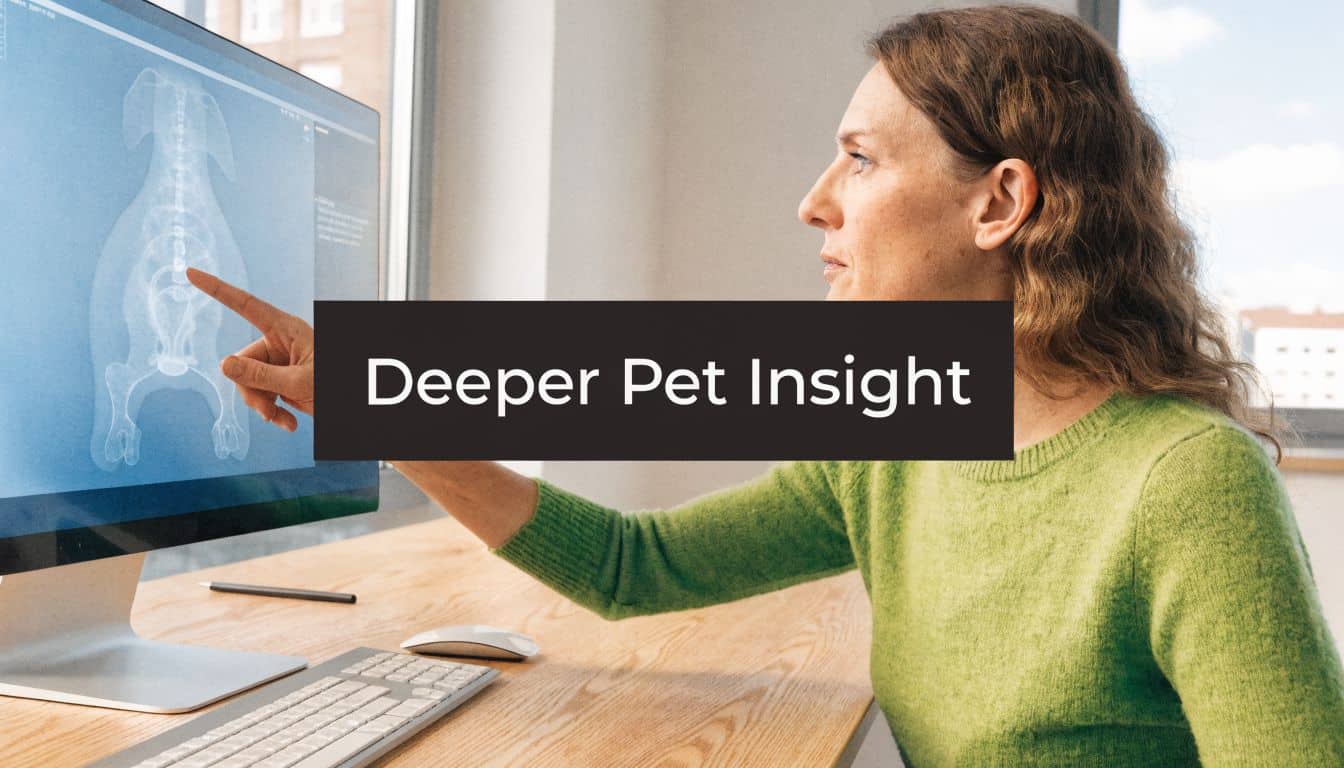
X-rays and other imaging
If the physical exam suggests pain, cough, swallowing trouble, abdominal changes, or a mass, radiographs may be the next step.
X-rays can help evaluate:
- bones and joints
- chest size and shape
- lung patterns
- abdominal organ position
- some swallowed objects
- bladder stones
Not every pet needs imaging at every visit. But when history and exam findings point in that direction, it can move us from suspicion to a clearer answer.
Testing isn't about doing more for the sake of more. It's about matching the right test to the clue your pet is giving us.
When diagnostics are especially helpful
Diagnostics become more valuable when:
- A pet looks normal but has subtle changes at home
- A senior pet needs a baseline
- There is a new lump or unexplained weight loss
- We hear a murmur or notice abnormal breathing
- There is vomiting, diarrhea, or change in thirst or urination
For Queens pet owners, in-house testing can be practical because it helps connect the exam findings to next steps while the visit details are still fresh.
Text us at 718-301-4030. If symptoms are severe or after hours, go directly to a 24/7 emergency hospital.
Special Considerations for Puppies, Kittens, and Seniors
A full physical exam doesn't look exactly the same at every age. The framework stays similar, but the focus changes.
A puppy exam is about building a healthy foundation. A senior exam is about noticing small age-related changes early and keeping your pet comfortable for as long as possible.
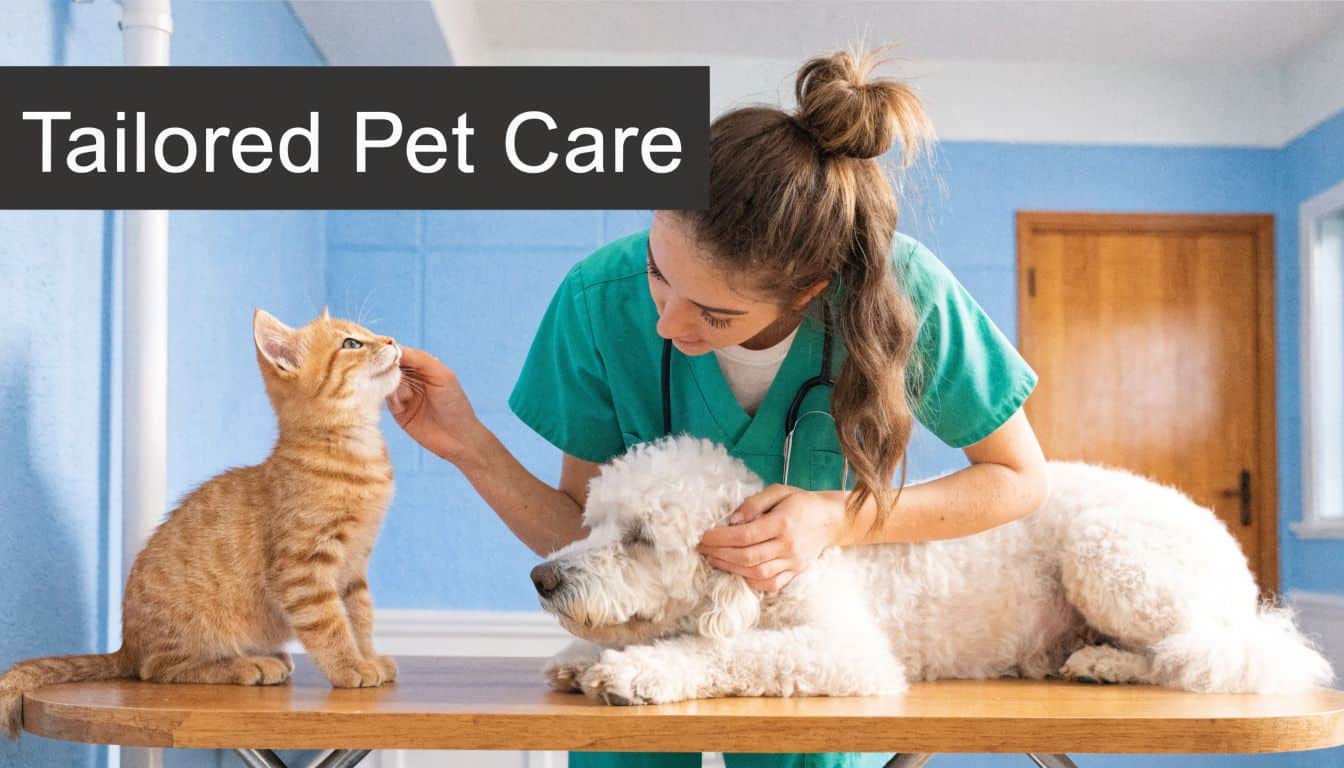
Puppies and kittens
Young pets change quickly. Their visits often happen close together because growth, vaccines, parasite control, and behavior development all happen in a short window.
At these visits, the veterinarian often pays close attention to:
- body weight and growth pattern
- heart and lung sounds
- congenital concerns
- bite alignment and baby teeth
- stool quality and parasite risk
- skin, coat, and ears
- vaccine timing
- microchip planning
- nutrition and feeding schedule
For a new pet owner in Queens Village or Glen Oaks, these visits are also where practical questions come up. Is this play normal? Is the stool normal? When should training start? How do I handle chewing, scratching, or litter box changes?
Those questions belong in the exam room.
Senior pets
Older pets need a more watchful lens. The biggest changes are often gradual.
A senior exam often focuses more on:
- mobility and stiffness
- muscle loss
- weight change
- dental wear and oral pain
- hearing or vision changes
- heart rhythm or murmurs
- skin masses
- thirst, appetite, and urination trends
- behavior shifts, including confusion or nighttime restlessness
The key is not to assume that “slowing down” is just age. Sometimes it is age. Sometimes it's pain, dental disease, organ disease, or sensory loss.
A side-by-side way to think about it
| Life stage | Main goal of the exam |
|---|---|
| Puppy or kitten | Build a healthy baseline, prevent parasites and infectious disease, guide growth and routine care |
| Adult pet | Maintain health, update prevention, track trends, catch early disease |
| Senior pet | Screen for subtle age-related illness, monitor comfort, and preserve day-to-day quality of life |
A younger pet's exam is often about what needs to develop normally. An older pet's exam is often about what may be changing quietly.
When age changes urgency
Call promptly if a young pet has vomiting, diarrhea, poor appetite, weakness, or low energy. Puppies and kittens can become unwell faster than adult pets.
For seniors, new collapse, labored breathing, inability to rise, sudden confusion, or a swollen abdomen should be treated as more urgent than “let's watch and wait.”
Text us at 718-301-4030. If symptoms are severe or after hours, go directly to a 24/7 emergency hospital.
How to Prepare for Your Vet Visit in Queens
A smoother exam starts at home. The better the information you bring, the easier it is for your veterinarian to connect the dots.
That doesn't mean you need to make a spreadsheet. A few notes on your phone are enough.
What to gather before the appointment
Bring a short summary of any changes you've noticed in the last few days or weeks.
Useful details include:
- Eating: More, less, picky, slower, or dropping food
- Drinking: Normal, increased, or hard to tell
- Bathroom habits: Frequency, accidents, straining, diarrhea, or constipation
- Behavior: Restlessness, hiding, clinginess, sleep changes, irritability
- Mobility: Limping, stiffness, trouble jumping, slipping on floors
- Skin or ears: Itching, odor, redness, licking, shaking the head
- Vomiting or coughing: How often, what it looks like, and when it happens
A video can be very helpful for coughing, limping, odd movements, or episodes that don't happen once you get to the clinic.
What to bring
A few simple items can make the visit more productive.
- Medication list: Include supplements and preventives.
- Photos of labels: Helpful if you forgot the bottle.
- Fresh stool sample if requested: Especially for puppies, kittens, diarrhea, or routine screening.
- Previous records: If your pet was seen elsewhere recently.
- Comfort item: A favorite towel or small blanket can help some pets settle.
How to lower stress for your pet
Travel stress is common in Queens, especially with traffic, noise, and busy sidewalks.
Try these steps:
- Use the carrier before the visit: Leave it out at home so it doesn't only appear on vet day.
- Keep cats covered: A light towel over the carrier can reduce visual stress.
- Leash dogs securely: Even calm dogs can react unpredictably in parking lots and waiting areas.
- Stay calm yourself: Pets often read your body language.
- Avoid food changes before the visit: Unless your veterinarian gave instructions.
Urgent vs emergency before you leave home
If your pet has mild symptoms but is stable, call or text for guidance before coming in.
If your pet has severe breathing trouble, repeated seizures, collapse, severe bleeding, heatstroke signs, or cannot urinate, go directly to emergency care rather than waiting for a routine wellness appointment.
Bring the history you have. You don't need a perfect timeline. Even small observations can help us narrow down what's going on.
Text us at 718-301-4030. If symptoms are severe or after hours, go directly to a 24/7 emergency hospital.
Your Pet's Wellness Exam at Union Vet NY
Pet owners in Oakland Gardens, Bayside, Little Neck, Fresh Meadows, Glen Oaks, Hollis, and Queens Village usually want the same thing. A clear answer, a calm visit, and a plan they can follow at home.
That’s what a good wellness exam should provide.
A full exam isn't rushed. It starts with your observations, moves through a careful head-to-tail assessment, and then narrows in on any area that needs more attention. Some pets need only the hands-on exam and preventive updates. Others need lab work, imaging, dental planning, or closer follow-up.
What low-stress care looks like in practice
Low-stress care isn't a slogan. It's a way of handling pets so we can get better information without making them more fearful.
That may include:
- giving a shy cat time to settle in the carrier
- examining a dog on the floor instead of forcing a table exam
- adjusting the pace when a pet becomes tense
- using treats, towels, and gentle restraint when appropriate
- talking through each finding in plain language
For owners, that matters because a calmer pet gives us a more accurate exam.
A practical next step after the exam
The physical exam is the foundation. The next step depends on what it shows.
Some pets need home monitoring and routine prevention. Some need diagnostics. Some need a treatment plan for skin disease, ear infection, dental pain, or mobility support. If you're looking for a general overview of services related to ongoing preventive care and screening, https://unionvetny.com/pet-wellness-center/ is one local resource.
The most useful exam is the one that leaves you knowing what was found, what it means, and what to watch for next.
If your pet has symptoms like coughing, vomiting, diarrhea, limping, itching, bad breath, weight change, a lump, or behavior changes, don't assume it can wait until the next vaccine visit. Those are all good reasons to schedule an exam.
Text us at 718-301-4030. If symptoms are severe or after hours, go directly to a 24/7 emergency hospital.
Frequently Asked Questions About Pet Physicals
How often does my pet need a full physical exam
Most adult pets should have routine wellness exams regularly, and many veterinarians recommend yearly visits for healthy adults. Puppies, kittens, seniors, and pets with ongoing medical issues often need exams more often.
Will my pet need sedation for a physical exam
Usually, no. Most routine physical exams don't require sedation. If a pet is very fearful, painful, or needs a procedure such as imaging, ear treatment, or a detailed oral exam, your veterinarian will discuss options first.
What if my pet acts terrified at the vet
Tell the clinic before the visit. That helps the team plan lower-stress handling, room setup, and timing. Bringing a familiar blanket, using the carrier ahead of time, and arriving with a short symptom summary can also help.
What does a wellness exam cost
Costs vary based on your pet’s age, symptoms, and whether diagnostics are recommended. If additional tests are needed, ask for an estimate so you know what each part is for.
Should I feed my pet before the appointment
For a standard exam, usually yes unless you've been told otherwise. If bloodwork, sedation, or certain tests may be needed, call ahead and ask whether food should be held.
What signs mean I shouldn't wait for a wellness visit
Don't wait if your pet has trouble breathing, collapse, repeated seizures, major trauma, severe weakness, inability to urinate, or sudden abdominal swelling. Those are emergency concerns.
Text us at 718-301-4030. If symptoms are severe or after hours, go directly to a 24/7 emergency hospital.
If you're ready to schedule a wellness visit or want guidance on whether your pet’s symptoms should be checked sooner, contact Union Vet NY. Text us at 718-301-4030. If symptoms are severe or after hours, go directly to a 24/7 emergency hospital.
