
A Pet Parent’s Guide to Preventive Veterinary Care
When it comes to your pet's health, waiting for a problem to appear is often too late. Preventive veterinary care is all about shifting that mindset—it's a partnership between you and your vet to keep your pet healthy before they ever get sick.
Think of it as building a strong foundation for a long, happy life together. Instead of just reacting to illness, we focus on consistent wellness to stop problems in their tracks.
Why Proactive Pet Health Matters

For pet owners in Queens neighborhoods like Oakland Gardens and Bayside, preventive care is a lot like the regular maintenance you'd do on your car. You don’t wait for the engine to blow to get an oil change; you do it routinely to keep things running smoothly. The exact same logic applies to your pet’s health.
This approach prioritizes consistent, proactive steps to maintain your pet’s wellbeing. It’s a shift from just treating sickness to fostering lifelong health, which ultimately means less stress for both you and your furry family member.
Building a Foundation for a Healthy Life
The goal of preventive care is simple: catch health issues before they become serious. This is critical because pets, especially cats, are masters at hiding pain and discomfort. An animal that seems perfectly fine on the outside could be in the early stages of a condition that won't show obvious signs until it's much more advanced and harder to treat.
Regular check-ups are the single most powerful tool you have for catching subtle changes before they become big problems. They give us a chance to spot things you might not see at home.
Think of this as a team effort between you and your veterinarian. We create a personalized plan that fits your pet’s specific needs based on their age, breed, and lifestyle. For a dog who loves running around the parks in Fresh Meadows or Hollis, that might mean a specific parasite control plan. For an indoor cat, it might be a nutritional plan designed to maintain a healthy weight.
This strategy is built on several key pillars that work together to protect your pet:
- Comprehensive Wellness Exams: More than just a quick look, these are nose-to-tail assessments that create a baseline for your pet's health.
- Tailored Vaccinations: We protect your pet from common illnesses based on their individual risk factors, not a one-size-fits-all schedule.
- Year-Round Parasite Control: This is a must for preventing fleas, ticks, and heartworm—even for indoor-only pets.
- Proactive Dental Health: Regular cleanings stop painful dental disease, which can impact your pet's entire body.
- Strategic Nutrition: A proper diet is the cornerstone of good health, helping manage weight and prevent chronic issues down the road.
Ultimately, it’s all about giving your companion the best chance at a vibrant, healthy, and happy life by your side.
Text us at 718-301-4030. If symptoms are severe or after hours, go directly to a 24/7 emergency hospital.
The Core Components of Proactive Pet Health
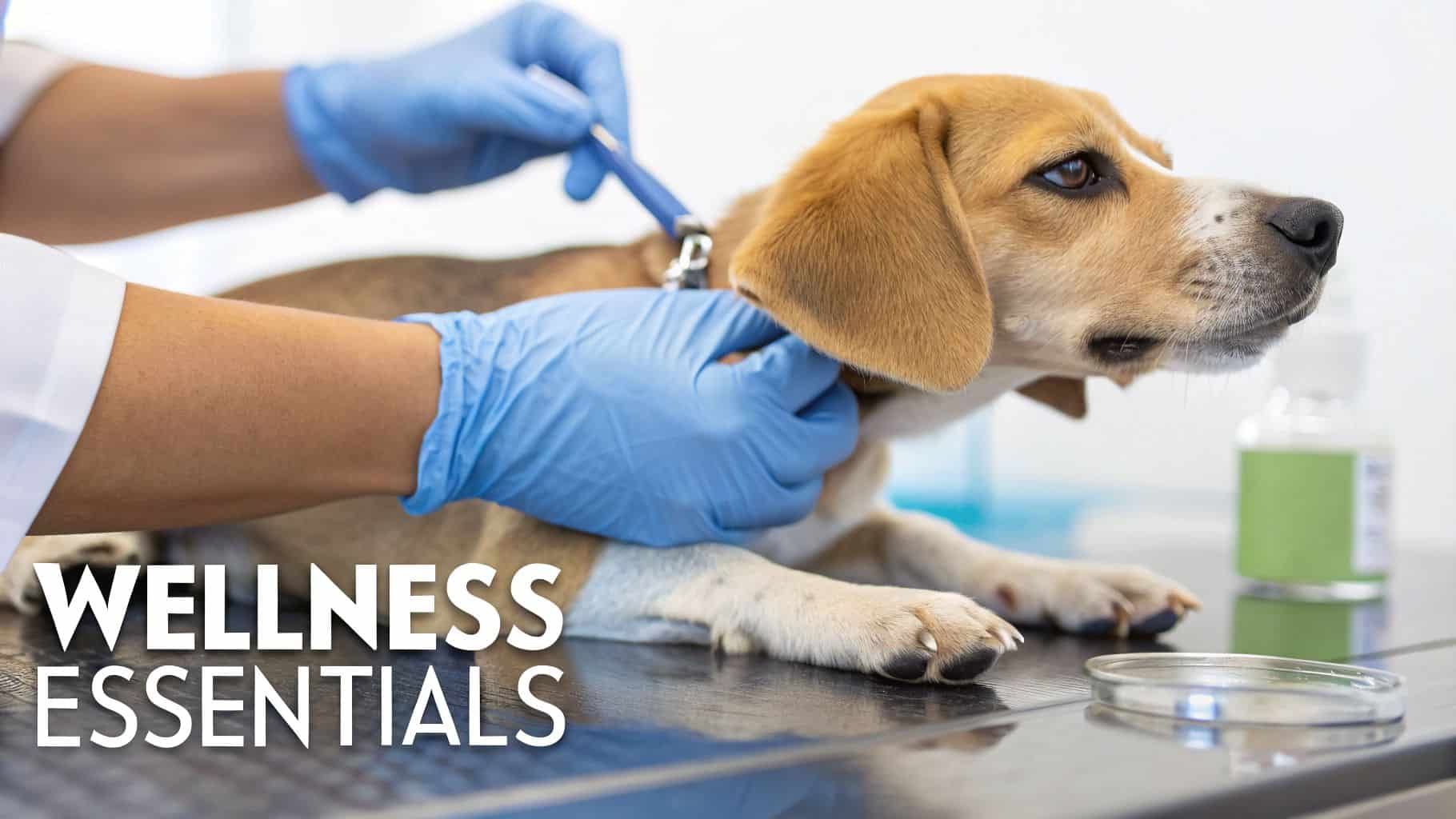
A solid preventive care plan isn't just one thing—it’s a combination of services that work together to keep your pet healthy. Think of it as a total health strategy.
As a pet owner in Queens, understanding what goes into this strategy helps you become your pet’s best advocate. Let’s break down what these essential health services are and why each one matters.
The Nose-to-Tail Wellness Exam
The annual or semi-annual wellness exam is the foundation of your pet's healthcare. This is much more than a quick check-in. At Union Vet NY, we perform a thorough "nose-to-tail" physical that gives us a complete picture of your pet’s condition.
Think of it as a detailed health audit. We check everything from their eyes and gums to their skin, coat, and how easily they move. This hands-on exam lets us catch subtle changes you might not notice at home, like a new lump, slight weight gain, or a tender spot.
This check-up establishes a crucial health baseline. By knowing what’s "normal" for your pet, we can spot when something is off during future visits—often the very first sign of a problem.
Tailored Vaccinations for Queens Pets
Vaccines are a safe and proven way to protect your pet from serious and sometimes deadly diseases. But not every pet needs every vaccine. We create a custom plan based on your pet’s lifestyle, especially for dogs and cats living in an urban area like Queens Village or Bayside.
Vaccines fall into two main groups:
- Core Vaccines: These are essential for all dogs and cats. They protect against common, dangerous diseases like rabies, distemper, and parvovirus in dogs, and panleukopenia in cats.
- Lifestyle-Based (Non-Core) Vaccines: We recommend these based on your pet's specific risk. For a dog that goes to dog parks in Fresh Meadows or a groomer in Glen Oaks, the Bordetella (kennel cough) vaccine is a smart choice. A cat with access to a screened-in porch might need the feline leukemia vaccine.
We’ll talk through your pet’s daily routine to figure out the right protection. To learn more, you can read our detailed guide on what vaccines dogs need.
Year-Round Parasite Prevention
Parasites are a real threat all year long, not just a seasonal annoyance. Even indoor-only pets are at risk. Fleas, ticks, heartworms, and intestinal worms can cause anything from itchy skin to life-threatening conditions like heartworm disease and Lyme disease.
It's a common myth that indoor pets are safe. Fleas can easily hitch a ride into your apartment on your clothes, and a mosquito carrying heartworm can fly right through an open window in Hollis or Little Neck.
Consistent, year-round prevention is the only way to be sure they're protected. We offer different safe and effective options—like monthly chewables or topical drops—and will help you find the best fit for your pet. This simple step is one of the most important parts of preventive veterinary care.
The Importance of Dental Hygiene
Good dental health is essential for your pet’s overall health. Periodontal disease is one of the most common problems we see, affecting over 80% of dogs and 70% of cats by age three.
It starts with plaque, which hardens into tartar and causes inflamed gums (gingivitis). If left alone, it can destroy the structures that support the teeth.
The problem doesn't stay in the mouth. Bacteria from infected gums can get into the bloodstream and travel to the heart, liver, and kidneys, leading to serious health issues. Regular professional cleanings under anesthesia, plus at-home care like brushing, are key to preventing this.
Tailored Nutrition and Weight Management
The old saying "you are what you eat" is just as true for our pets. The right diet is a powerful tool for preventing illness and managing health conditions. Your pet's nutritional needs change based on their age, breed, activity level, and any medical issues they have.
A huge part of this is weight management. Even a few extra pounds put serious strain on a pet's joints and organs, increasing their risk for arthritis, diabetes, and other problems.
During wellness visits, we’ll assess your pet’s body condition and talk about their diet. We can recommend specific foods and portion sizes to help them stay at a healthy weight or to manage issues like food allergies or kidney disease.
Routine Screening for Early Detection
Finally, some of the most critical information comes from things we can't see on the outside. Routine screening tests like blood work and urinalysis are your first defense against "invisible" diseases by giving us a look at how their internal organs are functioning.
- Complete Blood Count (CBC): Checks for signs of infection, inflammation, or anemia.
- Blood Chemistry Panel: Evaluates the health of the kidneys, liver, and pancreas, and measures blood sugar.
- Urinalysis: Assesses kidney function and can detect urinary tract infections or other problems.
These tests are especially important for senior pets but are valuable at every age. By getting a baseline when your pet is healthy, we can spot tiny changes early on, long before they show any signs of being sick. This early detection is what makes treatment more successful and gives your pet the best shot at a long, healthy life.
Text us at 718-301-4030. If symptoms are severe or after hours, go directly to a 24/7 emergency hospital.
Your Pet's Wellness Journey from Puppyhood to Golden Years

Your pet’s health needs aren’t a straight line—they change dramatically from their clumsy kitten or puppy days to their slower, golden years. A core part of preventive veterinary care is understanding and adapting to this journey. Think of it this way: a pediatrician’s schedule for a newborn looks very different from an annual check-up for a 40-year-old, and the same logic applies to our pets.
This guide is designed to be a clear roadmap for pet owners across Queens, from Fresh Meadows to Little Neck. It’s all about helping you anticipate what’s next so we can work together to keep your companion thriving at every age.
The Critical First Year: Puppies and Kittens
A pet’s first year is a whirlwind. It’s a period of incredible growth and learning that lays the groundwork for their entire life. Preventive care is at its most intense during this stage because we’re focused on building a strong immune system and establishing healthy routines from day one.
For a new puppy or kitten in your Oakland Gardens home, this means you’ll be seeing us quite a bit. Expect to come in every 3-4 weeks until they’re about 16 to 20 weeks old.
This frequent schedule is about so much more than just shots. It’s our chance to track their rapid growth, screen for any congenital problems, and make sure they're hitting all their developmental milestones right on time.
During these early visits, we’re focused on a few critical tasks:
- Vaccination Series: We’ll administer a carefully timed series of vaccines to build robust protection against common and serious diseases like distemper, parvovirus, and rabies.
- Deworming: Puppies and kittens are magnets for intestinal parasites. Routine deworming is essential to clear any parasites they may have picked up from their mother or the environment.
- Spay/Neuter Consultation: We'll talk through the right timing for spaying or neutering—a key preventive step that helps reduce the risk of certain cancers and behavioral issues.
- Microchipping: A microchip is a permanent ID that gives you the best possible chance of being reunited with your pet if they ever get lost.
- Starting Parasite Prevention: We get your new companion started on year-round prevention for fleas, ticks, and heartworm. This is non-negotiable for any pet living in Queens.
This is also the perfect time for you to ask all your questions about house training, nutrition, and socialization. We're here to help you navigate it all. If you're planning for the costs, our guide on how much puppy shots cost is a great resource.
To help you visualize the timeline, here’s a simple table outlining our general recommendations for each life stage.
Preventive Care Timeline for Your Pet
This table breaks down the recommended preventive care schedules for pets as they age, giving Queens pet owners a clear plan for their companion's lifelong health.
| Life Stage | Wellness Exam Frequency | Key Focus Areas |
|---|---|---|
| Puppy/Kitten (0-1 Year) | Every 3-4 weeks until 16-20 weeks old | Vaccinations, deworming, spay/neuter, microchipping, socialization, parasite prevention start. |
| Adult (1-7 Years) | Annually | Booster vaccines, dental health, year-round parasite control, nutrition management, routine blood screening. |
| Senior (7+ Years) | Semi-Annually (every 6 months) | Comprehensive blood panels, blood pressure monitoring, arthritis screening, cancer checks, quality-of-life support. |
This timeline serves as a great starting point, but we'll always tailor our recommendations to your pet's specific breed, lifestyle, and individual health needs.
Maintaining Health in the Adult Years
Once your pet hits their first birthday, they move into their adult years, which typically last until they’re about seven years old. The game plan for preventive care now shifts from building a foundation to actively maintaining health and catching problems early.
An annual wellness exam is the cornerstone of their care during this stage. This yearly visit is our opportunity to conduct a full physical, update necessary vaccines, and discuss any subtle changes you might have noticed in their behavior or habits.
For adult pets, we focus on:
- Annual Booster Vaccines: These keep the immunity they built as a youngster strong and effective.
- Year-Round Parasite Control: Continuing their protection against fleas, ticks, and heartworm is an absolute must.
- Dental Health Assessment: We'll check for tartar, gingivitis, and other signs of dental disease, which is incredibly common and can impact their whole body.
- Routine Bloodwork: Annual screening tests give us a crucial look under the hood at their organ function, helping us spot issues like early kidney or liver disease long before they show symptoms.
- Nutrition and Weight Management: As pets leave their teenage phase, their metabolism can change. We'll help you adjust their diet to keep them at a healthy weight.
Think of this as your pet’s annual performance review—a check-in to make sure everything is on track for a long, happy life, whether they’re chasing squirrels in Queens Village or sunbathing in your Bayside apartment.
Specialized Care in the Golden Years
Pets are generally considered seniors around age seven, though it can be a bit earlier for giant-breed dogs. As they enter their golden years, their health needs naturally become more complex. The risk for age-related conditions like arthritis, heart disease, kidney issues, and cancer goes up.
To stay ahead of this, we recommend moving to semi-annual wellness exams, or one every six months. A lot can change in a year for a senior pet—they age much faster than we do. Seeing them twice as often gives us a much better chance of catching and managing problems early on.
Our focus for senior pets expands to include more detailed monitoring:
- Comprehensive Blood Panels: These more in-depth tests check everything from organ function and thyroid levels to red and white blood cell counts.
- Urinalysis and Blood Pressure Monitoring: These are simple, vital tools for detecting kidney disease and hypertension (high blood pressure), both common in older pets.
- Arthritis and Mobility Screening: We'll look for subtle signs of stiffness or pain and discuss pain management, supplements, and other ways to keep them comfortable.
- Cancer Screening: Every exam includes a careful check for new lumps or bumps, unexplained weight loss, or other early warning signs of cancer.
Proactive care during this stage can make a world of difference in your senior pet’s quality and length of life, keeping them a happy, comfortable member of your family for as long as possible.
Text us at 718-301-4030. If symptoms are severe or after hours, go directly to a 24/7 emergency hospital.
The True Value of Consistent Preventive Care
Sticking with a preventive veterinary care schedule is about so much more than just check-ups and shots. It's a real investment in your pet’s future, your own peace of mind, and the relationship you have together. For pet owners across Queens—from Oakland Gardens to Queens Village—seeing it this way changes everything.
The benefits are straightforward: a longer, healthier life for your pet, major long-term cost savings, and a less stressful partnership with your best friend.
Finding Problems Early to Improve Quality of Life
One of the biggest wins with preventive care is finding disease long before you’d ever suspect your pet is sick. Animals are masters at hiding pain and illness—it's a survival instinct. By the time you notice something is off, the problem is often already serious.
Regular wellness exams and screening tests are how we peek behind that curtain. Think of them as our most important tools for spotting subtle clues that point to trouble down the road.
A simple blood test can reveal the earliest signs of kidney disease, diabetes, or thyroid problems when these conditions are far more manageable. Catching them early doesn't just make treatment easier—it dramatically improves your pet’s long-term quality of life.
For instance, finding kidney disease in its earliest stages allows us to manage it with diet and support, often giving your cat or dog many more comfortable years. If we wait until they’re already drinking excessively or losing weight, the disease is much further along and harder to control.
The Financial Sense of Proactive Care
It’s tempting to look at the cost of a wellness visit and want to skip it, but that’s a shortsighted view. Preventive care is honestly one of the smartest financial moves a pet owner can make. The planned, predictable cost of a check-up is just a fraction of the bill for an emergency visit to treat a preventable illness.
Dental health is the perfect example. A professional dental cleaning is a routine procedure with a manageable cost. But if that tartar is ignored, it can lead to severe periodontal disease, causing painful infections, bone loss, and the need for urgent—and expensive—tooth extractions.
The cost difference is stark:
- Proactive: The manageable cost of an annual wellness exam and blood screening.
- Reactive: The high cost of emergency hospitalization for something like diabetic ketoacidosis, which could have been managed or prevented.
By investing a little bit upfront in prevention, you save yourself from much bigger, unexpected, and stressful bills later. It's a simple truth: prevention is always more affordable than a crisis.
A Stronger Bond Through Peace of Mind
You can't put a price on the emotional benefit of preventive care. Living with constant worry about your pet's health is exhausting. Is that cough a big deal? Are they just slowing down with age, or is it something worse? Proactive care swaps that anxiety for confidence.
Knowing you’re doing everything you can to keep your pet healthy lets you relax and just enjoy your time together. It also builds a positive, trusting relationship with your vet, instead of one based on stressful emergencies. Over time, these positive visits help your pet feel less anxious, too, making every appointment easier for everyone.
Taking charge of your pet's health isn't just about preventing disease—it's about building a foundation of trust and well-being that makes your bond even stronger.
Text us at 718-301-4030. If symptoms are severe or after hours, go directly to a 24/7 emergency hospital.
Your Pet Wellness Partner in Queens

Putting preventive veterinary care into practice is all about teamwork. It’s a partnership built on trust between you and your vet, with the shared goal of keeping your pet healthy for life. Here at Union Vet NY, we’re proud to be that partner for families across Queens, from Oakland Gardens to Bayside.
We know a trip to the vet isn't always easy. That’s why we’ve built our entire approach around low-stress handling techniques. Our mission is to create a calm, supportive space where your pet feels as safe as possible, taking the fear out of their check-ups.
Comprehensive Care That’s Truly Personal
The wellness exam is the foundation of your pet's health plan. It’s our chance to get to know them—not just as a patient, but as an individual. We start with a complete nose-to-tail physical exam, but our care goes much deeper.
To see the whole picture, we use our in-house lab to get fast screening results. This lets us check organ function and look for hidden problems, often during the same appointment. Getting answers right away means we can create a plan that works for your pet, without the anxious wait.
We believe care should be tailored to your pet's actual life. The vaccine plan for a dog who loves the Glen Oaks dog park will look very different from that of an indoor cat in Hollis.
Our personalized approach means we cover every angle:
- Customized Plans: We work with you to build a health plan that makes sense for your pet, from their first puppy shots to senior blood work.
- Nutritional Guidance: We’ll help you find the right diet to manage your pet’s weight or support a chronic condition, including prescription foods.
- Clear Communication: We take the time to walk you through our findings and answer all your questions, so you’re a confident partner in your pet's care.
Making Pet Care Easier for Queens Families
Life in Queens is busy. Managing your pet’s healthcare shouldn't be another source of stress. We’ve designed our services to be as convenient as possible, giving you more time back with your furry family member.
Our online tools help you stay organized. You can book appointments through our online portal and manage your pet’s prescriptions with our online pharmacy, making refills for medications and therapeutic diets quick and simple. You can see a full list of our services at our pet wellness center.
Whether you’re in Fresh Meadows, Little Neck, or Queens Village, we’re here to help. We’re more than just your vet—we’re your dedicated partner in keeping your pet happy and healthy for years to come.
Text us at 718-301-4030. If symptoms are severe or after hours, go directly to a 24/7 emergency hospital.
Your Preventive Care Questions Answered
We get it—committing to a routine wellness plan for your pet can bring up some questions. Here are clear, straightforward answers to the things we hear most from pet owners in Queens, so you can feel confident in your pet’s care.
Urgent vs. Emergency: What to Know
It’s stressful trying to figure out if your pet’s symptom is a minor issue or a real crisis. Trust your gut, but use this guide to help you decide what to do next.
Urgent situations need veterinary attention soon but aren't immediately life-threatening. Your pet might be in pain or uncomfortable but is otherwise stable.
- Vomiting or diarrhea for more than 24 hours
- Hiding more than usual or acting very lethargic
- A small cut that isn't bleeding heavily
- Limping or joint pain without an obvious major injury
- Not eating for more than a day
Emergencies are critical, life-threatening situations that need immediate medical help. If you see any of these signs, your pet needs to go to a 24/7 emergency hospital right away.
- Trouble breathing, choking, or non-stop coughing
- Seizures or collapse
- Bleeding that won't stop
- Signs of severe pain (crying out, can't get comfortable)
- A hard, bloated, or swollen belly
- Can't urinate or pass stool
- Ate something toxic (like chocolate, medications, or certain plants)
If you're ever in doubt, it’s always safest to get immediate veterinary care. Acting fast can make all the difference in an emergency.
What to Do Before You Arrive
If you need to come to our clinic for an urgent issue, please text us first. If you’re heading to an emergency hospital, try to call them on the way to let them know what’s happening and when you’ll arrive. Having a copy of your pet's vaccine history can also be helpful.
Text us at 718-301-4030. If symptoms are severe or after hours, go directly to a 24/7 emergency hospital.
Common Questions About Preventive Care
Here are some quick answers to questions we often hear from pet parents in Bayside, Fresh Meadows, and nearby neighborhoods.
My pet seems healthy. Do they really need a yearly exam?
Yes, absolutely. Pets are experts at hiding illness—it's a survival instinct. Serious problems like kidney disease, diabetes, and even cancer often have no obvious signs in the early stages. A yearly exam and routine blood work are the best tools we have for catching problems early, when treatment is most effective.
Is preventive care expensive?
Think of it as an investment. The planned costs of annual exams, vaccines, and parasite prevention are much lower than the sudden, high costs of treating a preventable disease. For example, treating heartworm disease can cost thousands of dollars, while the monthly preventative is very affordable. It saves money and, more importantly, prevents suffering.
My cat never goes outside. Does she still need parasite prevention?
Yes, and this is something we can't stress enough. Parasites can easily hitch a ride into your home on your shoes, clothes, or even through a window screen. Fleas, ticks, and the mosquitoes that carry heartworm can all find their way inside, putting your indoor cat at risk. Year-round prevention is the only truly safe bet for every pet.
What if I notice a problem between check-ups?
You know your pet best. For non-urgent questions, you can always reach out to our team. But if your pet shows any of the severe symptoms listed in our emergency section, go directly to a 24/7 emergency hospital. Do not give any human medications unless your veterinarian advises it. Your quick action is the most important thing.
