

Skin Tag Dog: A Vet’s Guide for Queens Owners
You’re petting your dog after a walk in Bayside or settling in for the evening in Fresh Meadows, and your hand catches on something new. A little flap of skin. A bump that wasn’t there before. For most owners, that moment brings the same fast mental spiral. Is this nothing, or is this serious?
That reaction is normal. Finding a lump on your dog can be unsettling, even when your dog seems completely fine.
The good news is that many small skin growths turn out to be benign skin tags. The harder part is that some lumps can look similar at first glance, which is why a calm, practical plan matters more than guessing. If you're dealing with a skin tag dog concern in Oakland Gardens, Glen Oaks, Little Neck, Hollis, or Queens Village, the right next step is usually straightforward once you know what to look for.
You Found a Lump on Your Dog Now What
A lot of owners notice these growths by accident. They aren’t usually searching for a problem. They’re clipping on a harness, scratching under the collar, or rubbing a dog’s side on the couch when they feel a small bump.
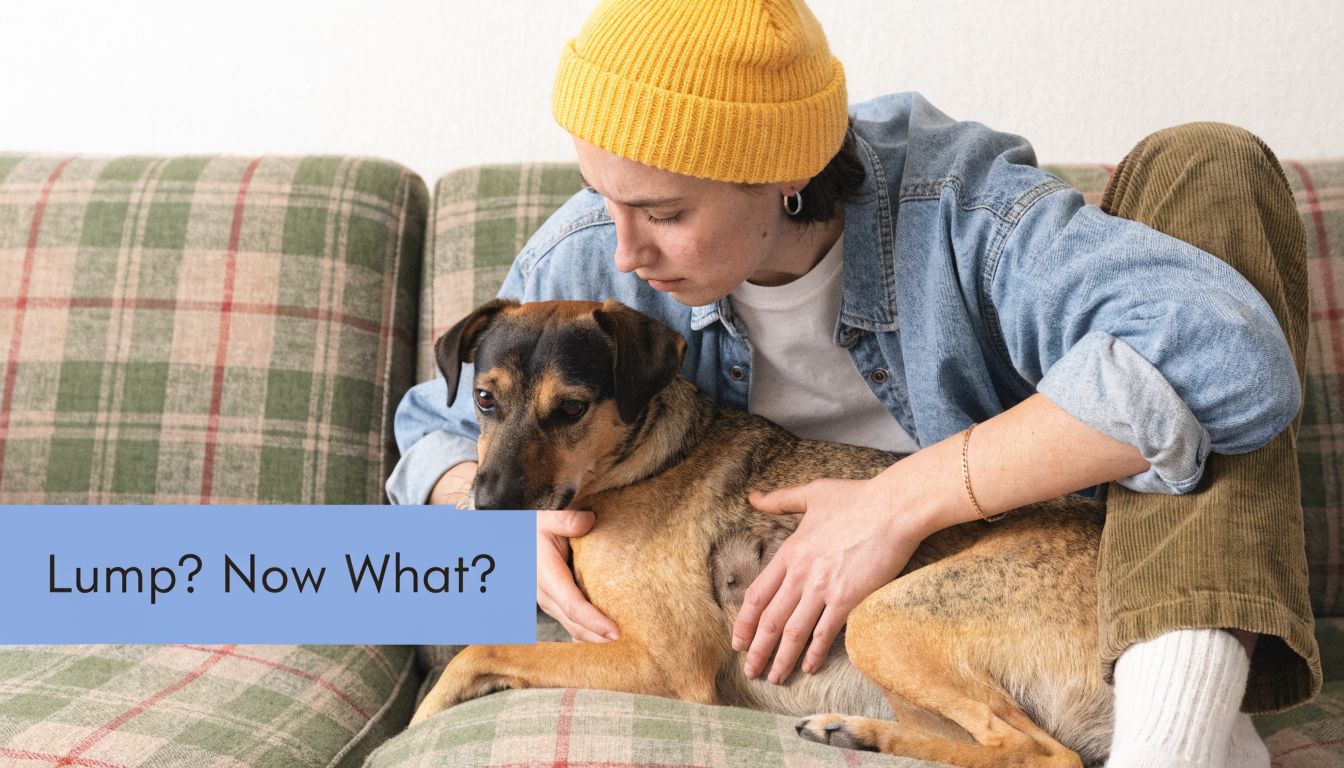
The first thing to do is simple. Pause and look, but don’t squeeze, pick, or cut it. A lump that looks harmless can still become inflamed if it’s handled too much. If it’s on the neck, armpit, groin, or another spot that rubs, your dog may irritate it further by scratching or licking.
What to do right away
- Check the location: Notice whether it’s under the collar, near the armpit, inside a skin fold, or another high-friction spot.
- Take a photo: Good lighting helps. A second photo a few days later can show whether it changed.
- Note the basics: Was it soft or firm? Flesh-colored or dark? Smooth or crusted?
- Watch your dog, not just the lump: Licking, rubbing, bleeding, or sudden sensitivity matter.
Practical rule: If a lump is new, changing, or getting irritated, it deserves a veterinary exam even if your dog is acting normal.
If your dog is otherwise comfortable and the lump isn’t bleeding or rapidly changing, this is usually urgent in the routine sense, not an emergency. If you’re unsure how to tell the difference, this guide on when to take a dog to the emergency vet can help you sort out the level of concern.
What Exactly Is a Dog Skin Tag
A skin tag is a small growth that extends from the skin. In many dogs, it looks like a tiny fleshy balloon on a narrow base, or a soft teardrop hanging from the surface.
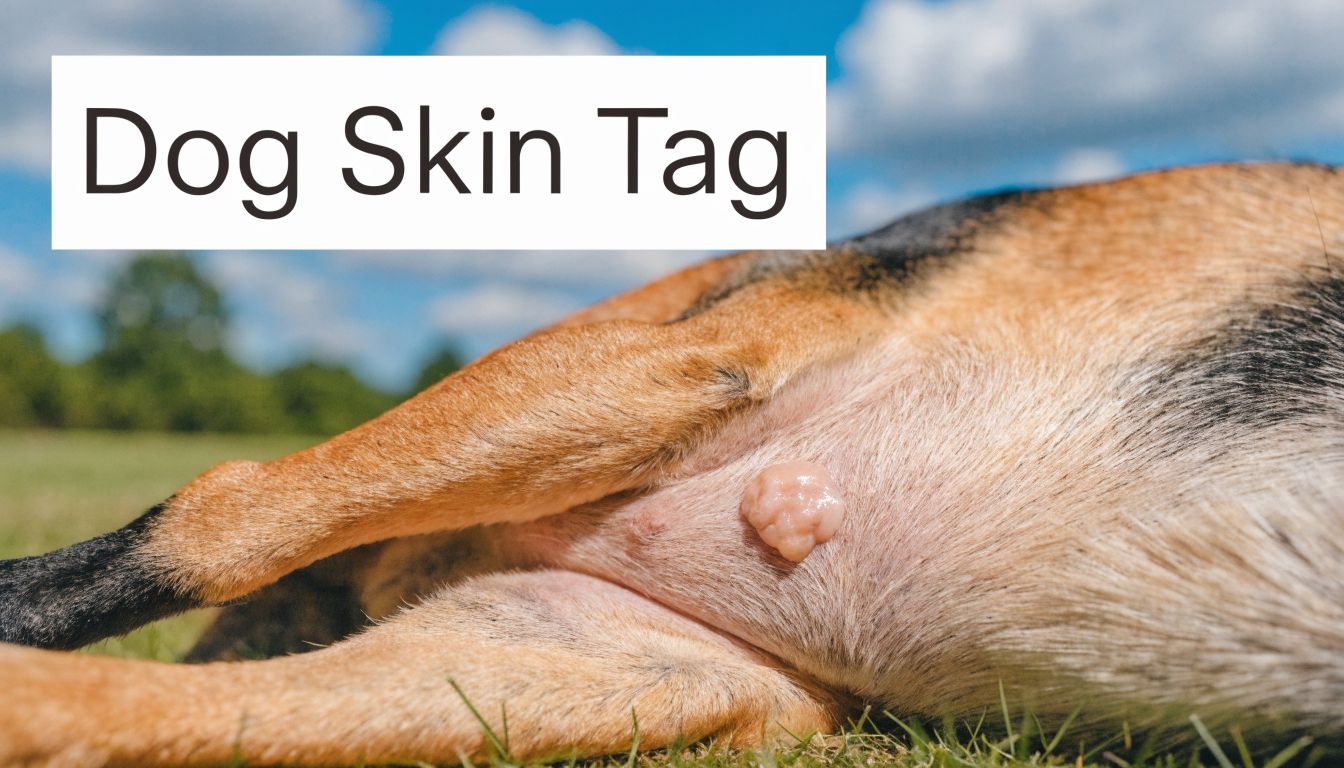
Most benign skin tags are:
- soft to the touch
- flesh-colored, pinkish, or slightly darker than the surrounding skin
- attached to the top layer of skin rather than buried underneath
- painless unless they’ve been rubbed, scraped, or infected
Some are solitary. Others appear in small clusters, especially in areas where the skin gets repeated friction.
Where they usually show up
Skin tags often develop where skin rubs against skin, a collar, bedding, or the ground. Common spots include:
- Neck: especially where a collar rests
- Armpits: where front legs move against the body
- Groin: another high-friction area
- Skin folds: especially in dogs with loose or folded skin
- Elbows or underside: places that take pressure when a dog lies down
A typical skin tag dog patient isn’t bothered by the growth itself until it catches on something. Grooming, scratching, or a harness rubbing over it often turns a quiet little bump into an irritated one.
What skin tags are not
They aren’t automatically warts. They aren’t ticks. They also aren’t something you can reliably identify at home just by appearance.
That’s where owners get tripped up. A soft bump can be benign, but “looks like a tag” isn’t the same as “is definitely a tag.” That distinction matters most when a lump changes, bleeds, or doesn’t match the usual soft, stable appearance.
Many skin tags are harmless. The problem is that some more serious growths can start out looking deceptively ordinary.
Why Do Dogs Get Skin Tags Causes and Risk Factors
A lot of Queens dog owners ask the same practical question after finding a small flap of skin. Why did this show up here?
In most dogs, skin tags develop in spots that get repeated rubbing or pressure over time. I see them most often where a collar shifts, where a harness moves with every step, or where skin folds stay in contact day after day. Aging also plays a role. Older skin is more likely to form these benign overgrowths.
Friction is usually part of the story
The body responds to low-grade irritation. Sometimes that response is just mild thickening of the skin. Sometimes a small tag forms instead.
Common triggers include:
- Collar friction on the neck
- Harness rubbing behind the front legs or across the chest
- Skin folds touching skin in dogs with loose or wrinkled skin
- Pressure points on elbows, chest, or underside
- Repeated licking or scratching that keeps an area inflamed
This pattern matters because it gives owners something useful to check at home. If a new bump sits exactly where gear rubs or where your dog rests on a hard surface, friction moves higher on the list of possible causes.
Some dogs are more prone than others
Age is a common factor. Middle-aged and senior dogs tend to develop more benign skin growths of all kinds, including tags.
Body shape matters too. Large dogs and dogs with heavy skin folds deal with more rubbing, more pressure, and more trapped moisture in certain areas. That does not mean every lump on an older bulldog or basset hound is a skin tag. It means those dogs have more day-to-day conditions that can lead to harmless growths and more reasons to have new lumps checked.
Breed tendencies can also show up in practice. Dogs with loose skin, prominent folds, or heavier body weight often get more irritation in the neck, armpits, groin, and chest. If your dog has a history of recurring bumps, our guide to common bumps on dogs' skin can help you understand what your veterinarian may consider.
What owners can do now
Most skin tags are not a sign that you did something wrong. They are often tied to age, anatomy, and ordinary wear on the skin.
Still, small adjustments can reduce ongoing irritation:
- Check collar fit and remove it indoors if your dog does not need it on
- Reassess harness fit if it slides, twists, or leaves rubbed spots
- Keep skin folds clean and dry
- Add thicker bedding for dogs who spend a lot of time on hard floors
- Watch for self-trauma from licking, chewing, or scratching
In Queens, I also tell owners to think about routine city wear. Dogs that spend a lot of time in harnesses, walk on frequent short outings, or lie on apartment floors can get repeated friction in the same spots every day. That does not make a lump harmless by default, but it does help explain why these growths often show up where they do.
Skin Tag or Something More Serious How to Tell the Difference
You’re petting your dog after a walk in Astoria or Forest Hills, and your fingers catch on a small flap of skin. It may be nothing more than a benign skin tag. It may also be a different kind of lump that needs a closer look. The hard part is that some growths look harmless at first glance.
Appearance helps, but it does not confirm the diagnosis. I tell owners in Queens the same thing every day. A lump that seems small, soft, or dangling can still deserve testing if it is new, changing, irritated, or just does not fit the usual pattern.
What a typical benign skin tag tends to look like
A classic skin tag is often:
- soft
- flesh-colored or lightly pigmented
- attached at the surface, sometimes by a narrow stalk
- easy to move a little with the surrounding skin
- unchanged over time
- ignored by the dog unless it gets rubbed or snagged
Those features lower concern, but they do not rule out other problems.
Clues that deserve more caution
A growth moves higher on my concern list when I find one or more of these changes:
| Characteristic | Typical Benign Skin Tag | Potential Red Flag |
|---|---|---|
| Texture | Soft, flexible | Firm, thick, uneven, or gritty |
| Growth pattern | Little to no change | Noticeably larger over days or weeks |
| Color | Flesh-colored or mildly pigmented | Very dark, bright red, mixed colors, or suddenly changing |
| Surface | Smooth or slightly wrinkled | Crusted, ulcerated, raw, or bleeding |
| Attachment | Superficial, often on a stalk | Broad-based, fixed, or seems deeper in the skin |
| Dog’s response | Usually ignored | Licked, scratched, painful, or sensitive to touch |
One red flag does not prove cancer. Several red flags together mean it is time to stop guessing.
Lumps that owners commonly mistake for skin tags
In practice, the confusion usually comes from overlap with other common skin masses. Warts, cysts, benign gland growths, and some tumors can all resemble a tag from across the room. Dark, inflamed, or fast-changing growths deserve more caution than a stable, soft flap that has looked the same for months.
If you want a side-by-side overview of other common possibilities, this guide to different types of bumps on dogs' skin can help you know what your veterinarian may be sorting through.
Signs to call about soon
Do not wait for the next routine exam if the lump:
- appeared recently and is already changing
- bleeds without obvious injury
- has become raw, crusted, or open
- feels firm or fixed in place
- bothers your dog enough that they keep licking or scratching it
- showed up along with several other new lumps
Photos help. Take one today, then another in a few days with a coin or ruler for scale. That gives your veterinarian something more useful than memory.
Urgent versus emergency
Most suspicious lumps are urgent, not emergency cases. Call soon if you notice a new mass, steady growth, repeated irritation, or a bump that no longer looks like a simple tag.
Go for immediate care if the area is bleeding heavily, swelling rapidly, or your dog also has facial swelling, vomiting, weakness, collapse, trouble breathing, or severe pain. At that point, the skin lump may be part of a bigger medical problem.
What to do before the appointment
- Prevent licking or chewing, use an e-collar if needed
- Do not cut, tie off, squeeze, or apply home remedies
- If there is light bleeding, hold gentle pressure with clean gauze
- Bring clear photos and a short timeline of what changed and when
That last step matters more than owners expect. “It doubled in a week” or “it has looked identical for six months” changes how I triage the visit.
How a Veterinarian Diagnoses and Treats a Skin Tag
A dog comes in with a “small skin tag,” and one of the first jobs in the exam room is deciding whether it indeed is a harmless tag or a different kind of growth that only looks simple at home. That distinction matters more than the tag itself.
Most diagnoses start with a close physical exam. I look at where the growth sits, whether it hangs off the skin or feels anchored deeper, how irritated it is, and whether the surrounding skin looks normal. I also check for other lumps, because owners in Queens often notice the one on the ear or armpit, while the exam turns up a few more along the chest, legs, or belly.
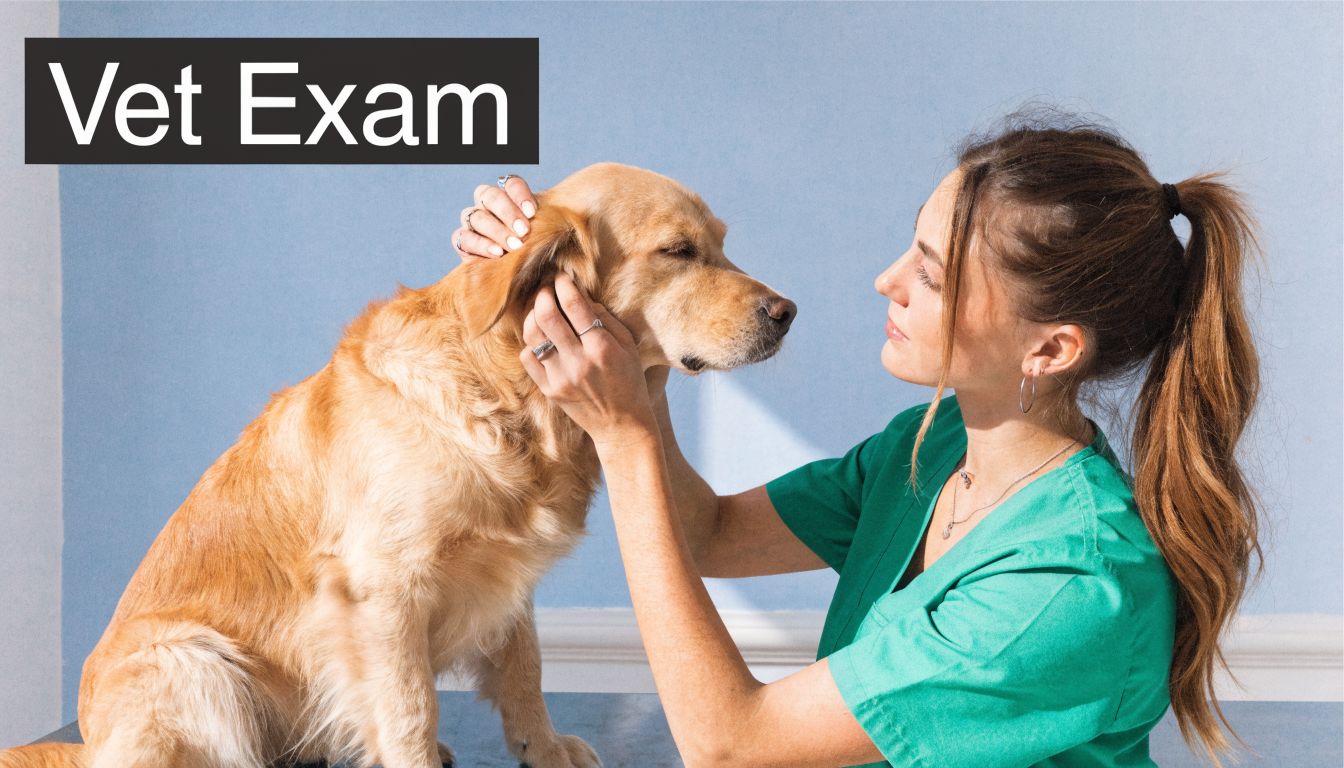
A lump visit usually includes:
- Visual exam: shape, color, surface texture, and whether the base is narrow or broad
- Hands-on exam: soft versus firm, mobile versus fixed, and whether your dog reacts when it is touched
- History: how long it has been there, whether it has grown, and whether it bleeds or gets caught
- Full physical exam: to look for other skin changes and check your dog’s overall health, which is part of what a full physical exam includes
If the bump looks typical and has been stable for a long time, monitoring may be reasonable. If it is new, irritated, pigmented, fast-changing, or sitting in a high-friction spot, testing is often the safer choice.
The most common first test is a fine-needle aspiration, or FNA. A small needle is used to collect cells from the growth. Many dogs tolerate this well during a regular visit, and it can help us decide whether we are dealing with a benign skin growth or something that needs a more careful plan.
FNA has limits. Some skin tags do not give a useful sample, and some masses need a biopsy or full removal to get a clear answer from the lab. If I cannot identify a lump with enough confidence from the exam and needle sample, I do not guess. I recommend the next step that gives a real diagnosis.
Treatment depends on location, irritation, and certainty.
If the growth looks benign, is not bothering your dog, and is not being traumatized by a harness, collar, or grooming, the best treatment may be no treatment at all. In that case, the plan is simple. Measure it, photograph it, and recheck it if anything changes.
Removal is a better option when the tag keeps getting snagged, bleeds repeatedly, becomes inflamed, or cannot be confidently identified without sending tissue to a pathologist. Professional removal may be done with standard surgical excision, and in selected cases other techniques may be considered based on the size and site of the lesion.
The trade-off is straightforward. Monitoring avoids an unnecessary procedure, but it only makes sense when the growth has been properly assessed. Removal gives a definitive answer if tissue is submitted, but it may require sedation, local anesthesia, or a longer visit depending on your dog’s temperament and the spot involved.
For Queens pet owners, the practical question is usually not “Can this come off?” It is “Does this need testing first, and is it bothering my dog enough to remove now?” That is the decision a veterinarian should help you make.
The Dangers of Home Removal Do Not Try This
Owners are often tempted to “just take it off” when a growth looks small and dangly. That’s understandable. It’s also where things can go wrong fast.
The biggest problem isn’t only pain or bleeding. It’s that you may be trying to remove something that was never a simple skin tag in the first place.
Common DIY mistakes
- Cutting it with scissors or nail clippers: this can cause significant bleeding and intense pain
- Tying it off with string or floss: this creates tissue death, inflammation, and a strong chance of infection
- Using human wart removers: these products can chemically burn a dog’s skin
- Crushing or squeezing it repeatedly: this can inflame the area and make diagnosis harder
If the lump turns out to be a tumor rather than a tag, home removal can delay proper care and leave abnormal tissue behind.
What works instead
The safe approach is much less dramatic:
- leave it alone
- prevent licking or chewing
- book an exam
- bring photos and a short timeline of changes
If the area gets caught during grooming or starts bleeding, apply gentle pressure with clean gauze and keep your dog from bothering it until you’re seen. Don’t put on ointments unless your veterinarian advises it.
Home removal rarely saves stress. More often, it creates a painful wound and a more complicated vet visit.
Your Next Steps A Guide for Queens Pet Owners
If you’ve found a new lump, the takeaway is simple. Most skin tags are benign, but every new growth deserves a proper look.
That’s especially true if you live with an older dog, a large breed, or a dog with skin folds that tend to rub. In neighborhoods like Oakland Gardens, Bayside, Little Neck, Fresh Meadows, Glen Oaks, Hollis, and Queens Village, owners are often juggling busy schedules and trying to decide whether a lump can wait. The right answer usually comes down to whether it is stable and quiet, or changing and irritated.
A practical plan
- Routine appointment soon: for a soft, stable, nonpainful growth
- Urgent exam: if it’s changing, bleeding, or your dog won’t leave it alone
- Emergency care now: if there’s heavy bleeding, collapse, facial swelling, trouble breathing, or severe distress
You don’t need to panic. You do need clarity.
A calm exam, and sometimes a simple needle sample, can separate a harmless skin tag from a growth that shouldn’t be ignored. That peace of mind is worth getting.
Frequently Asked Questions About Dog Skin Tags
Can skin tags be prevented?
Not completely. But you can reduce friction and irritation by checking collar and harness fit, keeping skin folds clean and dry, and giving your dog comfortable bedding.
Do skin tags mean my dog is unhealthy?
Usually, no. Many skin tags are related to age, body shape, skin folds, and repeated rubbing rather than poor overall health.
Should I wait and watch it?
That depends on the lump. Watching can be reasonable for a growth that appears benign and isn’t changing, but a veterinarian should still decide whether it looks safe to monitor.
Do skin tags grow back after removal?
A removed tag may not return in that exact spot, but some dogs are prone to developing new tags in other friction areas over time.
How much does removal cost?
The cost varies based on location, size, whether testing is needed, and whether removal is done with local treatment, sedation, laser, or surgery. The only accurate estimate comes after an exam.
Can I put anything on it at home?
Not unless your veterinarian advises it. Human skin products, wart removers, and home remedies can irritate or burn the area and make diagnosis harder.
Is a bleeding skin tag always an emergency?
Not always. Minor bleeding after catching it on something is often urgent rather than life-threatening. But heavy bleeding, ongoing bleeding, or a dog that seems weak or distressed should be treated as an emergency.
If you’ve found a lump on your dog and want a veterinary opinion, contact Union Vet NY. Text us at 718-301-4030. If symptoms are severe or after hours, go directly to a 24/7 emergency hospital.
