
Identifying a Red Rash on Dog: Queens Pet Owner Guide
You notice it during a belly rub, after a walk, or when your dog suddenly won't stop licking the same spot. The skin looks pink to bright red. Maybe it's flat and blotchy. Maybe it's bumpy. Maybe your dog seems fine otherwise, or maybe they're restless, itchy, and clearly uncomfortable.
A red rash on dog skin is common, but it isn't one single problem. It's a skin reaction with a long list of possible causes, from allergies and fleas to infection, contact irritation, and, in some cases, a deeper medical issue. What matters most is knowing what you're looking at, how fast it's changing, and whether your dog needs routine care, urgent care, or emergency treatment.
My Dog Has a Red Rash What Should I Do First
Start by slowing down and taking a close look. Panic makes it harder to notice the details your veterinarian will need.

Skin problems are very common in dogs. The American Veterinary Medical Association notes that approximately 25% of dogs will experience some form of skin issue during their lives in findings summarized through this review of canine skin disease prevalence. That doesn't mean every rash is minor. It does mean you're not alone, and a calm, methodical check is the right first move.
What to check right away
- Location matters. Look at the belly, groin, inner thighs, armpits, paws, ears, face, and base of the tail.
- Type of rash matters. Is it flat redness, small bumps, pimple-like spots, crusting, or raised welts?
- Itching level matters. Mild interest is different from nonstop scratching, chewing, or rubbing on furniture.
- Timing matters. Did it appear after grooming, a park walk, a new detergent, a new food, or a vaccine or medication?
- Whole-body signs matter. Vomiting, diarrhea, weakness, facial swelling, or breathing changes move this out of the “just a skin issue” category.
Your first practical steps
Take clear photos in good light. Get one close-up and one from farther back so the location is obvious.
Keep your dog from licking or chewing the area if you can. An e-collar is often more helpful than repeated redirection.
Practical rule: If the rash is spreading quickly, your dog seems very itchy, or there's facial swelling, use a more urgent decision path.
If you're not sure whether this is urgent, this guide on when to take a dog to the emergency vet can help you think through the next step.
The other thing to notice is pattern. A rash on the belly and inner thighs can mean something different from a rash over the back or around the paws. That location clue often helps narrow the cause faster than owners expect.
Recognizing Different Types of Dog Rashes
Owners usually say, “It's red,” which is a good start, but better detail helps a lot. A red rash on dog skin can look very different depending on the cause.
What the rash actually looks like
- Flat red patches often suggest skin inflammation, especially after contact with grass, cleaners, or allergens.
- Small raised bumps can fit allergy, insect bites, or early infection.
- Pustules or pimple-like spots make me think more seriously about bacterial involvement.
- Scaly or circular lesions can point toward certain infections or other skin disorders.
- Hives or welts tend to raise concern for an allergic reaction, especially if they appear quickly.
Some dogs also develop hair loss, darkening of the skin, greasy skin, odor, or constant licking around the same red areas. Those extra details matter because they help separate a simple irritation from a bigger pattern.
Why location changes the differential
The spot where the rash shows up is not random. The Purina overview of dog rashes notes that rashes concentrated on the belly, inner thighs, and groin can sometimes be the first visible symptom of systemic conditions like hormonal imbalances or autoimmune diseases, even before other signs appear.
That doesn't mean every belly rash is a hormone problem. Most are not. But it does mean recurring rashes in those thin-skinned, moisture-prone areas deserve better follow-up than “let's just watch it forever.”
Here's a simple way to think about common patterns:
| Rash pattern | What it may suggest |
|---|---|
| Belly, groin, inner thighs | Allergy, contact irritation, moisture-related rash, sometimes a sign to investigate deeper issues |
| Paws and between toes | Environmental exposure, licking cycle, allergy, secondary infection |
| Face and ears | Allergy, insect exposure, irritation, infection |
| Base of tail and lower back | Flea-related irritation often moves higher on the list |
| Scattered bumps all over | Allergy, hives, bites, or more generalized skin inflammation |
If your dog has bumps as well as redness, this guide on bumps on dogs skin can help you describe what you're seeing more accurately before your visit.
The best rash photos show both texture and location. Take one image close enough to show the skin, and one that shows where it is on the body.
Common Causes of Red Rashes in Dogs
A red rash on dog skin usually comes down to a short list of causes, but those causes overlap. That's why guessing from appearance alone often leads owners in circles.
Allergies are high on the list
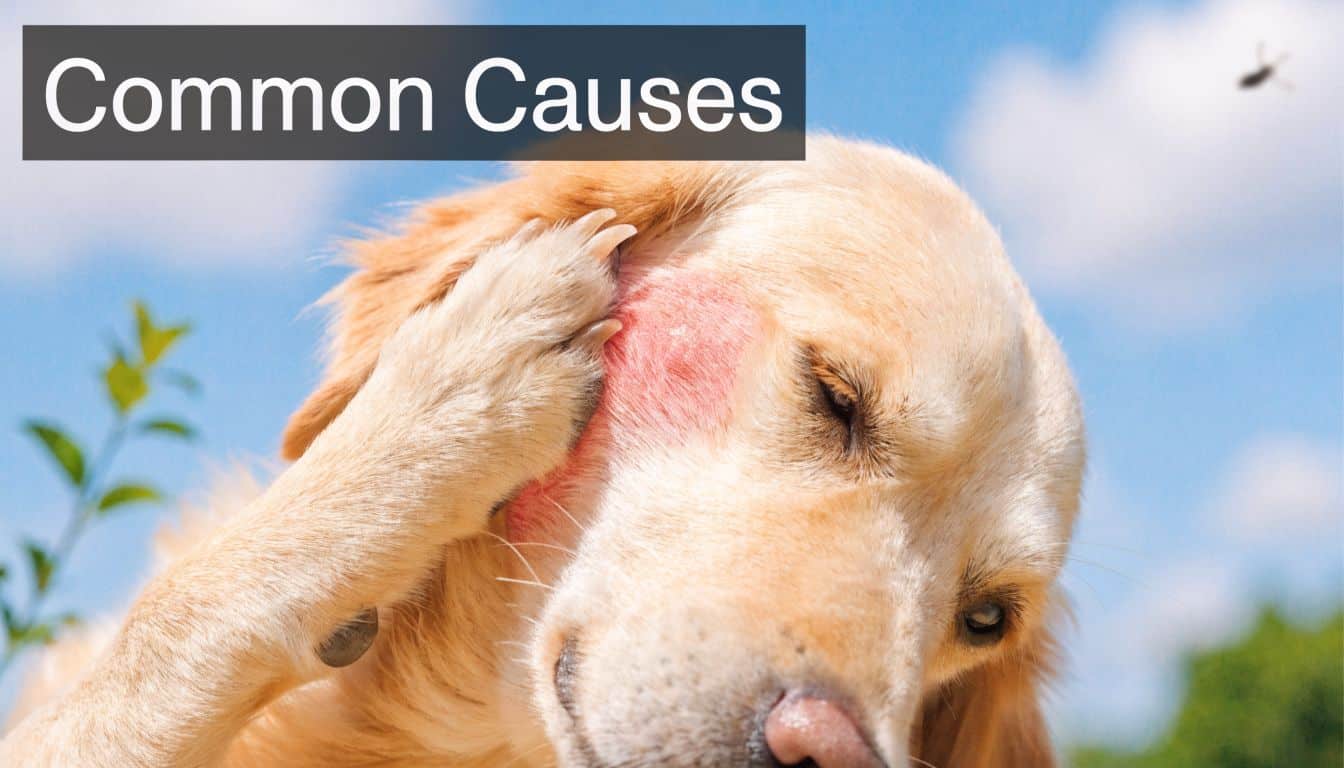
Allergies drive a lot of red, itchy skin. The AKC article on dog belly rash notes that food allergies make up about 10% of canine allergies, while environmental allergies are more common, and about one in five dogs is hypersensitive to flea bites, where even a single bite can trigger a severe reaction.
In Queens, environmental triggers can include pollen, dust, grass exposure, and all the things dogs brush against on walks, in apartment hallways, on treated lawns, and at parks. These dogs often itch first and rash second. The skin gets red because the dog keeps scratching, licking, rubbing, or chewing.
Fleas and other parasites
Fleas can cause an intense reaction that looks much worse than the number of fleas you find. Owners often say, “I didn't see any fleas, so it can't be fleas.” That's not a safe assumption.
A flea-allergic dog may react dramatically to very little exposure. Mites and other parasites can also cause redness, bumps, hair loss, and severe itch.
Secondary infections complicate the picture
Bacterial and yeast infections often show up after the skin barrier is already inflamed. The allergy or irritation starts the process, then licking, scratching, moisture, and skin damage create the conditions for infection.
Pet owners sometimes lose time at this stage. If the skin becomes greasy, smelly, crusty, moist, or painful, the problem may no longer be “just allergies.” The rash may need direct treatment for infection as well as treatment of the trigger.
A rash that changes from red and itchy to red, wet, odorous, or pustular usually needs veterinary evaluation sooner, not later.
Contact irritation and other causes
Some rashes come from what touched the skin. Think shampoos, wipes, detergents, cleaning products, lawn products, or even friction from a harness.
Less commonly, veterinarians also consider drug reactions, vaccine reactions, endocrine disease, and immune-mediated disease. Those aren't the first assumption in most dogs, but they matter when a rash is recurrent, oddly distributed, or not responding to the treatment that should have worked.
If your dog's rash came on suddenly with swelling, hives, or dramatic itching, these dog allergic reaction symptoms are worth reviewing while you decide how urgently to seek care.
Urgent Care Versus A True Emergency
When owners in Bayside, Fresh Meadows, or Little Neck call about a rash, the most important question isn't “what cream should I use?” It's “how sick is my dog overall?”
A rash can wait for a scheduled visit in some cases. In others, it needs same-day attention. A smaller group needs an emergency hospital immediately.
Rash Symptom Severity Guide
| Symptom | Action to Take |
|---|---|
| Mild localized redness, dog is comfortable, eating and acting normally | Monitor closely, prevent licking, and schedule a routine appointment if it doesn't improve or if it returns |
| Localized rash with clear itch, repeated licking, chewing, or rubbing | Call your veterinarian for prompt evaluation |
| Rash with odor, crusting, discharge, pustules, or obvious pain | Seek urgent veterinary care |
| Rash that is spreading over hours, especially with significant discomfort | Seek urgent veterinary care |
| Hives, facial swelling, or sudden whole-body rash | Seek urgent care immediately, and if severe or worsening, go to an emergency hospital |
| Rash plus vomiting, diarrhea, marked lethargy, collapse, or trouble breathing | Go directly to a 24/7 emergency hospital |
What to do before you leave home
- Take photos first. Some rashes look less dramatic by the time you arrive, especially hives.
- Prevent self-trauma. Use an e-collar if you have one. Scratching and licking can turn a mild rash into a much bigger problem fast.
- Don't bathe right away if the visit is soon. Washing the area can remove debris and surface clues your veterinarian may want to examine.
- Bring the product history. If you changed food, treats, shampoo, detergent, wipes, medication, or flea prevention, bring names or photos of labels.
- Note the timeline. When did you first see it, and did it appear after a walk, bath, groom, meal, medication, or outdoor exposure?
When I worry most
The true emergencies are the dogs who don't just have a rash. They have a rash plus signs that another body system is involved.
If your dog has a skin reaction and is also struggling to breathe, seems weak, or has facial swelling, skip home treatment and go in.
That's not being dramatic. It's the right response.
How We Diagnose and Treat Dog Rashes at Union Vet
A good skin workup starts with observation, but it shouldn't end there. Many rashes look similar on the surface, so the in-clinic goal is to stop guessing as quickly as possible.
What the exam usually includes
First, we look at distribution. Belly and groin? Paws? Ears? Face? Tail base? That pattern narrows the list.
Then we assess the skin itself. Is it dry, moist, greasy, crusted, pustular, thickened, or painful? We also ask about itch level, seasonality, diet, parasite prevention, grooming products, and whether the problem is new or recurring.
Common tests may include:
- Skin cytology to look for yeast or bacteria on the skin surface
- Skin scraping or hair evaluation when parasites are a concern
- Culture, biopsy, blood work, or urinalysis when the rash is persistent, unusual, or part of a larger medical picture
Those steps matter because the treatment for allergy isn't the same as the treatment for infection, and neither is the same as the treatment for a hormonal disorder.
Treatment depends on the cause
For allergic dogs, treatment often focuses on reducing itch and calming inflammation while also controlling whatever is triggering the flare. Depending on the case, that may include medicated shampoos, topical therapy, prescription diets, flea prevention, or itch medication.
The Cornell canine atopic dermatitis resource notes that a single injection of Cytopoint can provide 4 to 8 weeks of relief, achieving a 70 to 80% reduction in itchiness within 24 hours for most dogs. Medications such as Apoquel may also be part of the plan, depending on the dog's needs and history.
If there's bacterial or yeast overgrowth, we often need to treat that directly. Treating itch alone while ignoring infection usually doesn't get the dog comfortable. On the other hand, treating infection without dealing with the allergy trigger often leads to repeat flares.
What tends to work and what doesn't
What works is a layered plan. Stop the itching, treat infection if present, control parasites, and identify the trigger as best we can.
What usually doesn't work is random product switching. Owners often try multiple shampoos, sprays, supplements, and wipes in a short time. That can irritate the skin further and make the pattern harder to read.
The fastest route to improvement is usually not the biggest bag of over-the-counter products. It's matching the treatment to the actual cause.
Safe At-Home Care and Prevention Tips
If you're waiting for an appointment, there are a few things you can do safely. There are also a few mistakes I'd strongly avoid.
What you can do at home
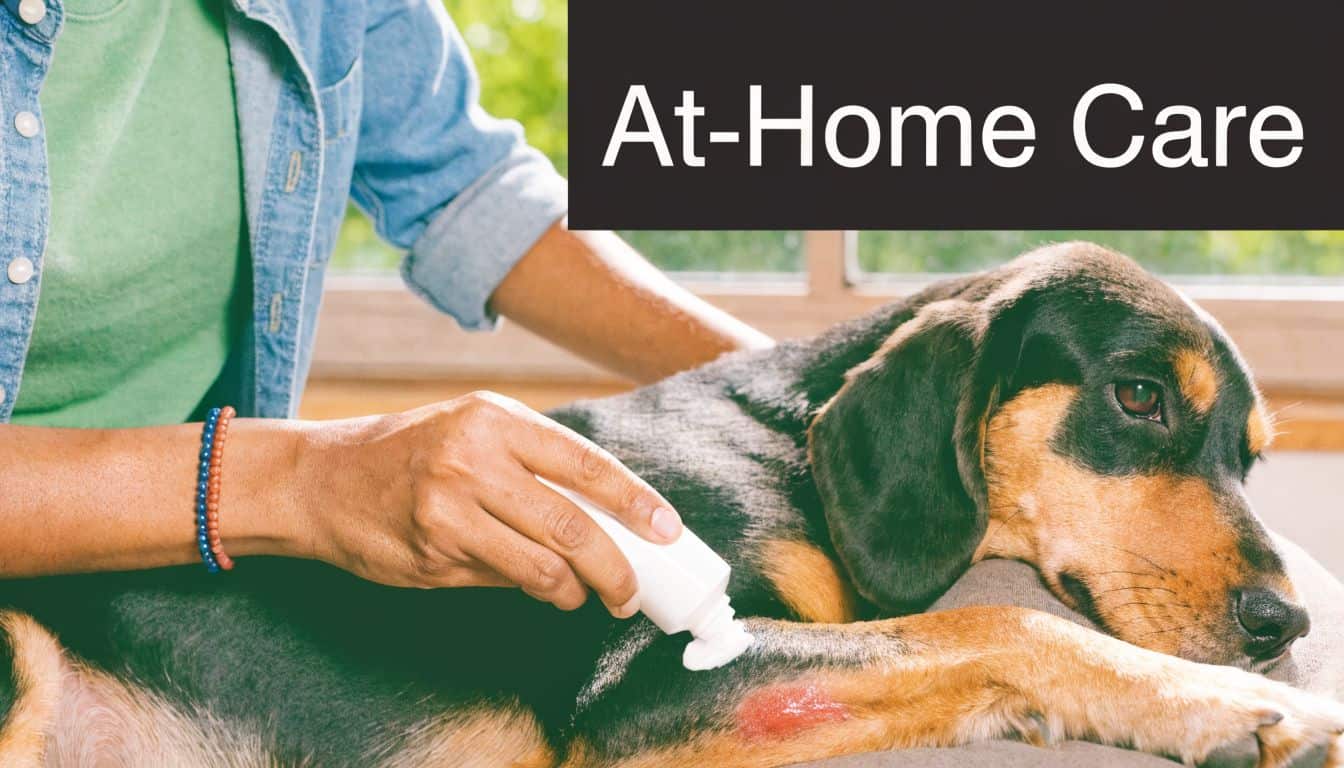
Do not use human medications unless your veterinarian advises it. That includes creams, ointments, sprays, and oral medications.
Safe steps include:
- Use a cool compress. A clean, cool cloth over the area can calm irritated skin for short periods.
- Stop the licking. An e-collar often helps more than anything else in the first day.
- Keep the skin dry and clean. If the area is damp from saliva, gently pat it dry.
- Try a plain oatmeal bath for mild itch. Use a dog-safe approach and avoid heavily scented products.
- Track the pattern. Write down where the rash is, when it appeared, and whether it changes after walks, baths, meals, or grooming.
What to avoid
- Don't use multiple new products at once. If the skin worsens, you won't know what caused it.
- Don't scrub the rash. Inflamed skin is easy to damage.
- Don't assume “natural” means safe. Many oils, creams, and home remedies irritate skin or get licked off.
- Don't wait too long if the rash is changing. Redness that becomes moist, painful, or widespread deserves reclassification as urgent.
Prevention that makes a difference
For dogs who get repeat rashes, prevention is usually about routine, not one miracle fix.
- Stay current on flea prevention year-round.
- Wipe paws and lower legs after outdoor walks, especially after grass exposure.
- Rinse and dry the coat after muddy or wet outings.
- Use veterinarian-approved shampoos and grooming products.
- Follow diet plans consistently if food sensitivity is being investigated.
In Queens, a lot of skin flares are made worse by repeated exposure. Pollen, damp weather, shared outdoor spaces, and urban contact irritants can all keep the cycle going if the skin never gets a break.
Frequently Asked Questions About Dog Rashes
Can a dog rash go away on its own
Yes, some mild contact irritations do settle down. The problem is that owners can't reliably tell a mild temporary rash from the start of allergy, infection, parasites, or a more significant reaction. If it's persistent, recurring, very itchy, or spreading, it should be checked.
Is a red belly always allergies
No. Allergies are common, but a red belly can also reflect contact irritation, infection, parasites, or, less commonly, a broader internal problem. The pattern helps, but location alone doesn't give a diagnosis.
Should I bathe my dog if there's a rash
Sometimes, but not always. A gentle oatmeal bath may help a mildly itchy dog, but if the skin is raw, painful, oozing, or infected, bathing can sting or make the area harder to assess. If you're planning a prompt vet visit, it's often better to leave the skin as-is unless your veterinarian tells you otherwise.
Is a dog rash contagious to people or other pets
Some rashes are not contagious at all. Others may involve parasites or infections that need more caution. Since appearance alone can be misleading, it's smart to wash your hands after touching the area and avoid close contact with other pets until the cause is clearer.
When should I stop monitoring and call
Call sooner if the rash is worsening, your dog won't stop licking or scratching, there's odor or discharge, or your dog seems unwell in any other way. A skin problem is easier to treat early than after it has turned into a larger, more painful cycle.
If your dog has a rash and you're not sure what level of care they need, contact Union Vet NY. Text us at 718-301-4030. If symptoms are severe or after hours, go directly to a 24/7 emergency hospital.
