Dilute Urine Dogs: Signs & What a Queens Vet Says
If you're in Queens and your dog's water bowl suddenly seems empty all the time, it's easy to start worrying. Maybe you're in Bayside or Fresh Meadows, and your dog is asking to go out again right after a walk. Maybe there was an accident on the rug overnight, and now you're wondering if this is just a hot day, a habit change, or something medical.
That concern is reasonable.
Dogs do sometimes drink more and make more dilute urine for harmless reasons. But increased thirst and increased urination are also common early clues that your veterinarian should take seriously. The medical shorthand for this pattern is PU/PD, meaning polyuria (peeing more) and polydipsia (drinking more).
The good news is that this is a problem veterinarians work through step by step. A single odd urine sample doesn't automatically mean kidney disease or another major illness. What matters is the pattern, the exam, and the test results taken together.
Has Your Dog Started Drinking and Urinating More
A lot of owners first notice this in small ways. The water bowl needs refilling sooner. Walks around Oakland Gardens or Little Neck get interrupted by extra bathroom stops. Your dog wakes you overnight when that never used to happen. Then you start looking at the urine itself and wondering if it seems very pale or unusually plentiful.
Sometimes the first frustration is practical, not medical. If repeated accidents have left odor behind, cleaning thoroughly matters because residual scent can draw a dog back to the same spot. A guide like The Expert Guide to Neutralizing Dog Urine in Rugs can help while you sort out the health side.
What owners usually notice first
- More trips outside: Your dog asks to go out earlier in the morning, more often during the day, or in the middle of the night.
- A hungrier or less hungry dog: Some dogs act normal except for thirst. Others seem "off."
- Paler urine: You may notice the urine looks lighter and less yellow than usual.
- Accidents indoors: A previously reliable dog may leak, squat suddenly, or not make it to the door.
Increased drinking and urinating isn't a diagnosis. It's a clue.
That clue matters because the body usually has a reason for making extra urine. Sometimes the dog is drinking more first, which then leads to more urine. Other times the kidneys can't concentrate urine well, so the dog loses more water and has to drink more to keep up.
Either way, it's worth paying attention rather than waiting it out for too long.
If your dog in Hollis, Glen Oaks, or Queens Village is suddenly drinking and urinating more, write down what you've noticed. That simple record often helps more than owners expect.
Text us at 718-301-4030. If symptoms are severe or after hours, go directly to a 24/7 emergency hospital.
What Is Dilute Urine in Dogs
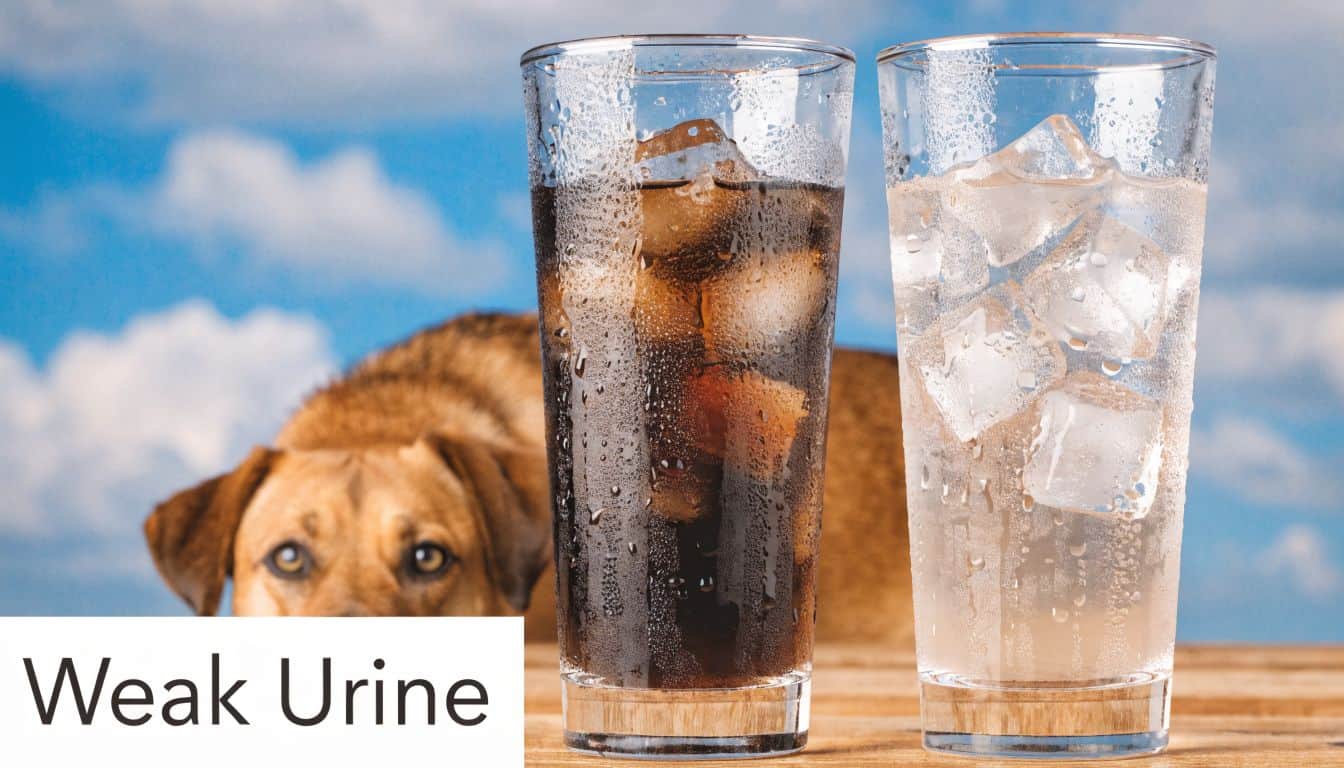
Think of urine concentration like iced tea. Strong tea looks darker because more material is dissolved in the water. Weak tea looks pale because it's mostly water. Dilute urine is the weak tea version. It contains more water and fewer dissolved particles compared with concentrated urine.
Veterinarians measure this with urine specific gravity, often shortened to USG. USG tells us how concentrated the urine is. It's one of the quickest ways to understand how the kidneys are handling water balance.
What USG means in plain language
A higher USG means the urine is more concentrated. A lower USG means it's more watered down.
Healthy dogs can have a broad urine concentration range, and veterinary reference material notes that healthy dogs' USG can range from 1.001 to 1.075 in some situations, while hyposthenuria refers to very dilute urine around 1.000 to 1.006 g/ml, and isosthenuria refers to urine around 1.008 to 1.012 where the kidneys are no longer concentrating or diluting effectively, according to this dvm360 review of urine specific gravity values.
Those terms sound technical, but the idea is simple:
- Concentrated urine: The kidneys are holding on to water.
- Dilute urine: The body is letting more water go.
- Isosthenuria: The urine sits in a middle zone where the kidneys aren't adjusting concentration well.
One dilute sample doesn't always mean disease
Many owners get scared unnecessarily. In a study of 103 healthy dogs, researchers found significant day-to-day variation in urine specific gravity, and over 17% had at least one dilute reading with USG < 1.030 during a two-week period, according to the study in PMC.
That matters because a single pale urine sample, even in a healthy dog, can happen naturally.
Practical rule: One dilute sample can be a snapshot. Repeated dilute samples create the real medical pattern.
When dilute urine becomes more meaningful
A veterinarian gets more concerned when the dilution is persistent or shows up alongside other symptoms. For example:
- drinking much more than usual
- weight loss
- vomiting
- poor appetite
- low energy
- accidents in the house
- changes on bloodwork
This is why many dilute urine dogs need serial monitoring, not guesswork. One morning sample may look very different from another sample days later.
Terms owners often hear
| Term | What it means |
|---|---|
| USG | A measurement of urine concentration |
| Polyuria | Increased urine volume |
| Polydipsia | Increased water drinking |
| Hyposthenuria | Very dilute urine |
| Isosthenuria | Urine in a fixed middle range that may suggest reduced kidney concentrating ability |
If your veterinarian says the urine is dilute, that doesn't automatically answer the "why." It tells us where to start asking better questions.
Why Is My Dogs Urine So Dilute
You may notice it first on a regular day in Queens. The water bowl is empty sooner than usual, your dog asks to go out again, and the urine looks almost clear. That can happen for several different reasons, so the primary question is not just "Is the urine dilute?" The better question is, "What is causing my dog to lose or take in so much water?"
A helpful way to picture this is to see urine concentration as a balance between three parts of the body. The brain sends signals about water needs. The kidneys act like careful water-saving filters. Hormones help coordinate the whole process. Dilute urine can show up when any part of that system is off, or when a dog drinks more water than the system can reasonably concentrate.
Kidney disease
The kidneys do more than remove waste. They also decide how much water stays in the body and how much leaves in the urine.
When the kidneys lose concentrating ability, dogs often start producing larger amounts of paler urine. Owners may first notice practical changes at home, such as more trips outside, overnight accidents, or a dog who heads to the water bowl more often.
Other clues can include:
- lower appetite
- nausea or vomiting
- weight loss
- lower energy
- bad breath or signs of dehydration
If your dog also has straining, frequent small urinations, odor, or discomfort, a bladder issue may be part of the picture. This guide to dog urinary tract infection signs and care can help you understand how infection symptoms differ from a urine-concentrating problem.
Diabetes mellitus
Diabetes mellitus is another common cause veterinarians consider early. In this condition, excess sugar spills into the urine and pulls water along with it. The result is often a dog who urinates more, then drinks more to keep up.
At home, owners often report a pattern like this: the water bowl needs refilling more often, the dog asks to go out more, appetite stays strong or even increases, but weight starts drifting down. That combination pushes diabetes higher on the list.
Cushing's disease and Addison's disease
Hormone disorders can also interfere with normal water balance.
Dogs with Cushing's disease often drink and urinate more because excess cortisol changes how the body handles fluids. Some also develop a pot-bellied look, panting, thinning haircoat, or recurrent skin problems.
Addison's disease can be trickier because it does not always look dramatic at first. A dog may seem tired, have vomiting or diarrhea off and on, eat poorly, or have episodes that come and go. Dilute urine in that setting matters because it can be one clue in a larger pattern that needs blood testing to sort out.
Diabetes insipidus and liver disease
These causes are less common, but they stay on the differential list.
Diabetes insipidus involves a problem with antidiuretic hormone, also called ADH, or with the kidneys' response to that hormone. ADH works like a signal telling the kidneys to save water. If the signal is missing or ignored, the body lets too much water go.
Liver disease can also be linked with dilute urine in some dogs. Usually, it is not the urine sample alone that points in that direction. It is the urine result plus the exam, history, and bloodwork.
Behavioral drinking and stress
Some dogs drink more because of stress, anxiety, boredom, or compulsive behavior. That pattern is called psychogenic polydipsia.
This can confuse owners because the urine may look very dilute even when the kidneys themselves are still able to work. In simple terms, a normal filter can still get overwhelmed if too much water keeps coming in.
Clues that make veterinarians consider stress-related drinking include:
- a recent move or major routine change
- construction noise, visitors, or other household disruption
- pacing, panting, whining, or restless behavior
- repeated visits to the water bowl during tense moments
- symptoms that improve in calmer settings
This is one reason your observations at home matter so much. A short phone video of the behavior, notes about stressful days, or a simple log of water intake can help your veterinarian decide whether the pattern looks medical, behavioral, or mixed.
Medications and supplements
Medication history often explains more than owners expect. Steroids, diuretics, seizure medications, and some other treatments can increase thirst or change urine concentration. Supplements and over-the-counter products matter too.
For your visit, bring:
- prescription medications
- supplements and calming chews
- recent treatment records
- the timing of when each product started
- notes on when the extra thirst or urination began
That timeline helps the veterinary team at Union Vet work through the problem in a practical way. If the change started right after a medication was added, that clue can narrow the list quickly. If there is no medication trigger, the focus shifts more toward lab testing and the physical exam.
For Queens pet owners, the main point is simple. Dilute urine is a signpost, not the destination. Some causes are mild and monitored. Others need prompt testing, especially if dilute urine comes with weight loss, vomiting, weakness, or major changes in thirst and urination.
Text us at 718-301-4030. If symptoms are severe or after hours, go directly to a 24/7 emergency hospital.
How We Diagnose the Cause of Dilute Urine
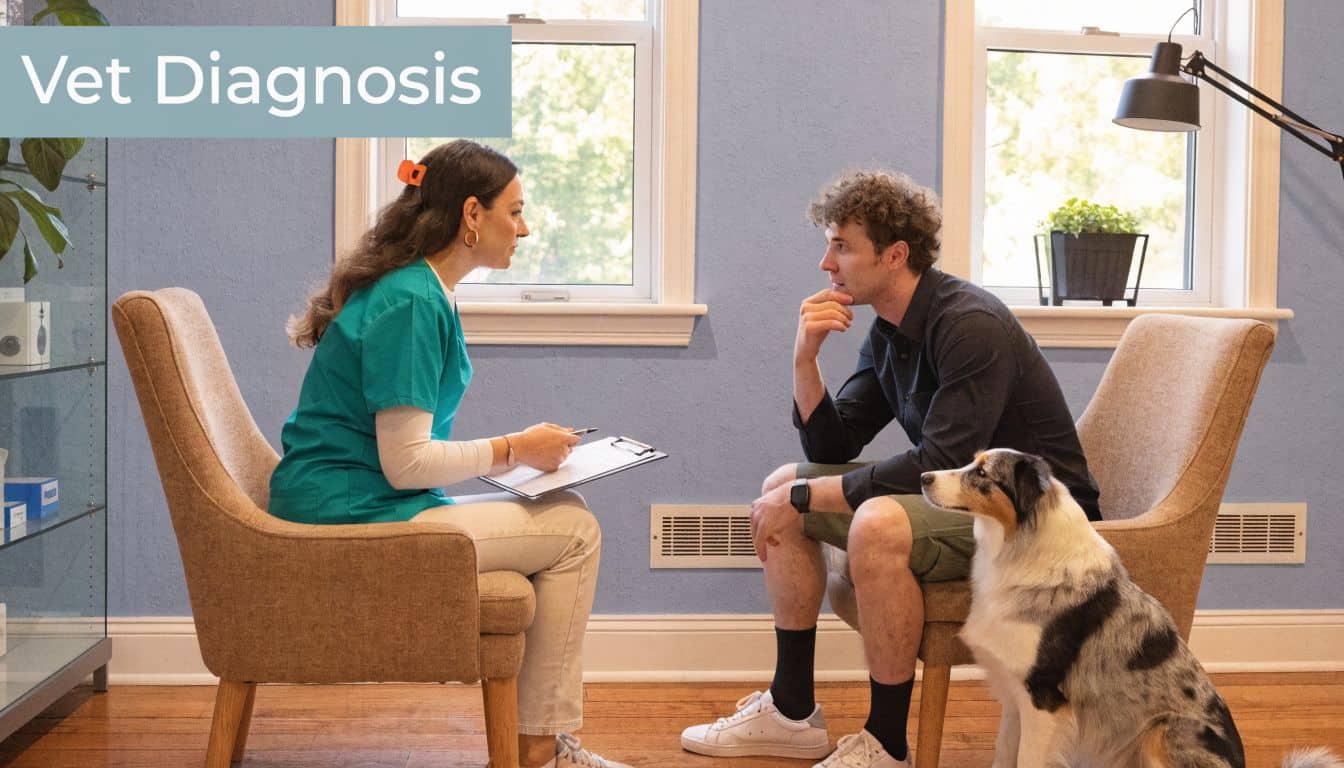
Most owners expect one urine test to give one clear answer. Usually, it doesn't work that way. The diagnosis comes from combining your observations at home with the physical exam, urine findings, and bloodwork.
The history matters more than people think
When a dog comes in for suspected dilute urine, the first diagnostic tool is your story.
Helpful details include:
- When it started: sudden or gradual
- How often your dog asks to go out
- Any indoor accidents
- Changes in appetite, energy, weight, or vomiting
- All medications and supplements
- Any recent stress at home
A complete exam is the next step. If you're curious what that visit usually includes, this overview of what a full physical exam includes gives a useful picture of what veterinarians check from nose to tail.
Urinalysis and USG
The urine sample itself still plays a central role. A veterinarian will often assess:
- USG: how concentrated the urine is
- Dipstick findings: such as glucose or other abnormalities
- Sediment exam: to look for cells, crystals, or bacteria when indicated
This helps separate "urine is pale" from "urine is pale for a specific reason."
Why bloodwork changes the picture
A low urine specific gravity reading is a critical diagnostic starting point because it helps veterinarians sort through different causes of excessive urination. If low USG is paired with increased kidney values on bloodwork, chronic kidney disease becomes more likely. If kidney values are within normal limits or decreased, the veterinarian may look harder at other causes such as liver disease or central diabetes insipidus, according to this PetMD review of hyposthenuria in dogs.
That combination is what makes the plan more focused and more efficient. One test points to the next right test.
The urine sample starts the conversation. The bloodwork tells you which language to listen for.
When more advanced tests are needed
Not every dog needs every test. Veterinarians choose the next step based on the pattern already emerging.
A dog may need additional testing such as:
- Urine culture: if infection is suspected
- Radiology: to look for stones or structural problems
- Ultrasound: when organ appearance or internal changes matter
- Hormone testing: if diseases like Cushing's or Addison's are on the list
- Carefully supervised specialized testing: in selected cases involving persistent unexplained dilution
A simple way to think about the diagnostic journey
| What the vet finds | What it can help suggest |
|---|---|
| Low USG with kidney blood changes | Kidney disease becomes more likely |
| Low USG without those kidney changes | Other metabolic, hormonal, liver, or water-balance disorders move up the list |
| Low USG plus signs of stress or unusual drinking behavior | Behavioral causes may need consideration |
| Low USG after a medication change | A drug side effect or treatment effect becomes more relevant |
For owners, this process can feel like a lot. From the veterinary side, it's a way of reducing guesswork. Each result narrows the field so your dog doesn't get labeled with the wrong problem too quickly.
Managing Conditions That Cause Dilute Urine
Treatment depends on why the urine is dilute. Pale, watery urine is a clue, not a diagnosis. At Union Vet, the plan is built around the condition causing the extra thirst, extra urination, or poor urine concentration.

A helpful way to picture treatment is this: if your ceiling has a water stain, painting over the spot will not fix the leak. Dilute urine works the same way. We need to find and treat the source.
If the cause is kidney disease
Care usually focuses on protecting kidney function and keeping your dog stable day to day. That can include diet changes, blood pressure checks, hydration support, and scheduled lab work to see whether the kidneys are holding steady or slipping.
Some dogs do well for a long time with careful follow-up. The goal is to slow progression, keep your dog comfortable, and adjust the plan before small changes become bigger ones.
If the cause is diabetes mellitus
Dogs with diabetes often improve once blood sugar is brought under better control. As glucose levels become more stable, many owners notice the water bowl lasts longer and the urine is less excessive.
Consistency matters here. Feeding times, insulin timing, and follow-up checks need to stay predictable because diabetes responds best to routines that do not keep changing week to week.
If hormones are involved
Cushing's disease, Addison's disease, and diabetes insipidus can all affect how the body handles water. These cases need condition-specific treatment and careful rechecks because the right medication for one hormone problem can be the wrong one for another.
That is why your veterinarian may move in measured steps instead of trying several treatments at once. Precision keeps the picture clear.
If stress, environment, or behavior plays a role
Some dogs drink more because of anxiety, habit, boredom, or household changes. In a busy place like Queens, even a move, construction noise, a new pet, or a changed walking schedule can affect behavior more than owners expect.
Treatment may involve a steadier routine, enrichment, anxiety reduction, and better tracking of when your dog heads to the water bowl. Water should stay available unless your veterinarian gives you a specific medical plan. Restricting it at home can be dangerous.
Good daily care also matters in practical ways. If your dog is having accidents or urine dribbling because they are drinking more, keeping the coat and skin clean helps prevent irritation. Some owners also ask about emergency pet grooming when hygiene becomes harder to manage.
If medication is contributing
A medication review can change the whole plan. Steroids, diuretics, and some other drugs or supplements can increase thirst or interfere with urine concentration. Bring every medication your dog receives, including allergy treatments, heart medications, supplements, and anything given only once in a while.
Do not stop a prescribed medication on your own. Instead, bring the bottles, labels, or phone photos to the appointment so your veterinarian can see the full picture and decide what, if anything, should change.
What owners can do well
Queens pet owners often help the most by keeping the routine steady and making the changes visible. A few simple habits make follow-up visits much more useful:
- Keep fresh water available unless your veterinarian tells you otherwise
- Write down drinking and urination changes so the pattern is easier to review
- Give medications exactly as prescribed
- Bring a current medication list or photos of labels
- Show up for rechecks, even if your dog seems better, because improvement at home still needs confirmation
If your dog seems weak, collapses, cannot keep water down, or is suddenly much worse, use this guide on when to take your dog to an emergency vet and get help right away.
Text us at 718-301-4030. If symptoms are severe or after hours, go directly to a 24/7 emergency hospital.
Home Monitoring and Urgent Care Guide
You get home from a walk in Astoria or Forest Hills, refill the water bowl again, and notice your dog asking to go out one more time. One unusual day does not always mean illness. A repeated pattern is different, and that is the part worth tracking before your visit.
At home, your job is not to guess the diagnosis. Your job is to notice the pattern clearly enough that your veterinarian can connect the dots. That often makes the visit at Union Vet faster and more useful.
What to monitor at home
Use your phone notes, a calendar, or a simple paper log. Try to track the same things for a few days so the pattern is easier to see.
- Water intake: Are you filling the bowl more often, or is your dog hovering near the water source?
- Urination changes: More trips outside, larger urine spots, accidents indoors, or urine that looks very pale.
- Appetite: Normal, lower than usual, or suddenly much hungrier.
- Energy: Playing and acting like themselves, or seeming tired, slower, or less engaged.
- Stomach signs: Vomiting or diarrhea can make the picture more urgent.
- Behavior: Restlessness, pacing, waking at night to drink, or fixating on water.
Behavior matters because some dogs drink more for emotional or behavioral reasons, while others do it because their body cannot concentrate urine properly. Those two paths can look similar at home. Your notes help us separate them.
If possible, jot down when the changes started and whether they are getting stronger, staying the same, or coming and going. That timeline often matters as much as the symptom itself.
When to call for a prompt appointment
Schedule a visit soon if you are seeing a steady change rather than a one-time odd day.
- Thirst that has clearly increased over days or weeks
- More frequent urination or bigger puddles
- New accidents in a house-trained dog
- Urine that keeps looking unusually pale
- Mild drop in appetite
- Lower energy
- A recent medication change followed by more drinking or urinating
If you are unsure whether your dog can wait for a regular appointment, use this guide on when to take your dog to the emergency vet to sort out what can be monitored and what needs same-day care.
When to go to an emergency hospital
Some signs mean the issue is no longer just “dilute urine.” It may be a larger body-system problem that needs urgent treatment.
Go directly to a 24/7 emergency hospital if your dog has:
- Collapse
- Seizures
- Severe weakness or trouble standing
- Disorientation or acting suddenly confused
- Repeated vomiting with worsening tiredness
- Straining to urinate with little or no urine produced
A simple way to think about it is this. Increased drinking and pale urine can be a clue. Trouble standing, repeated vomiting, or inability to urinate are emergencies.
What to do before you arrive
A little preparation can save time once you get to the clinic.
- Bring a medication list: Include prescriptions, supplements, preventives, and any recent treatments.
- Bring a urine sample if you can collect one cleanly: Fresh is best, but do not stress if you cannot get one.
- Keep water available unless your veterinarian tells you otherwise
- Do not give human medications unless a veterinarian specifically told you to
- Take a short video: A clip of the drinking behavior, restlessness, or repeated trips to the bowl can be helpful.
- Bring your notes: Even a rough log is better than trying to remember everything from memory.
If your dog has had repeated accidents and their coat or skin is getting soiled, this article on emergency pet grooming can help you keep them clean and comfortable while you arrange care.
Text us at 718-301-4030. If symptoms are severe or after hours, go directly to a 24/7 emergency hospital.
Frequently Asked Questions About Dilute Urine
Can my dog's diet or treats cause dilute urine
Diet can influence thirst. Salty foods, certain treats, and big routine changes may lead some dogs to drink more. But persistent dilute urine deserves more than a diet guess. If the pattern keeps happening, your veterinarian should look for a medical or behavioral reason.
Is dilute urine painful for dogs
Dilute urine itself usually isn't what hurts. The bigger question is what's causing it. Some dogs with dilute urine feel completely normal at first. Others may feel sick because of the underlying condition, especially if they also have vomiting, weakness, infection, or hormonal disease.
Should I worry more if my dog is a puppy or a senior
Age changes how veterinarians think about the problem. Puppies can have accidents and variable drinking for simple reasons, but they can also become dehydrated quickly if something is wrong. Seniors are more likely to have chronic medical causes behind increased thirst and urination. In both age groups, a repeated pattern matters more than one isolated day.
Should I limit my dog's water if they're peeing too much
Usually, no. Restricting water at home can be risky, especially if your dog is urinating heavily because of a medical problem. Water should stay available unless your veterinarian gives you very specific instructions. This is especially important when a diagnostic plan is still in progress.
Can stress really do this
Yes, in some dogs it can. Behavioral anxiety and compulsive water drinking can lead to dilute urine. But stress should be a diagnosis reached carefully, not a guess made too early. A veterinarian still needs to rule out medical causes before settling on a behavioral explanation.
Queens pet owners often feel torn between "it's probably nothing" and "this must be serious." The most balanced approach is to observe carefully, act promptly, and let the exam and testing guide the next step.
If your dog in Oakland Gardens, Bayside, Fresh Meadows, Glen Oaks, Little Neck, Hollis, or Queens Village is drinking and urinating more, Union Vet NY can help you sort out what needs monitoring and what needs urgent attention. Text us at 718-301-4030. If symptoms are severe or after hours, go directly to a 24/7 emergency hospital.
