

Cat First Aid Kit: A Queens Vet’s Guide to Building Yours
Late at night, the apartment is finally quiet, and your cat decides it's the perfect time to sprint across the living room, skid into a chair leg, and snag a nail. Or maybe you notice chewed leaves from a houseplant on the windowsill in Fresh Meadows, and now your cat is drooling and hiding under the bed. These are the moments when people panic, not because they don't care, but because they don't have the right supplies within reach.
A cat first aid kit doesn't replace a veterinarian. It gives you a way to steady the situation, protect your cat from getting worse, and travel more safely when you need medical care. In Queens, even a short trip can feel long when you're carrying an injured cat, dealing with traffic, or trying to gather records and medication while your pet is frightened.
Why Every Queens Cat Owner Needs a First Aid Kit
Small emergencies happen in ordinary homes. A torn nail in Bayside, a scratch from a cat-to-cat spat in Hollis, a limp after a bad jump from the couch in Little Neck. Most of these situations start fast and feel bigger because cats are so good at hiding pain until they're uncomfortable.
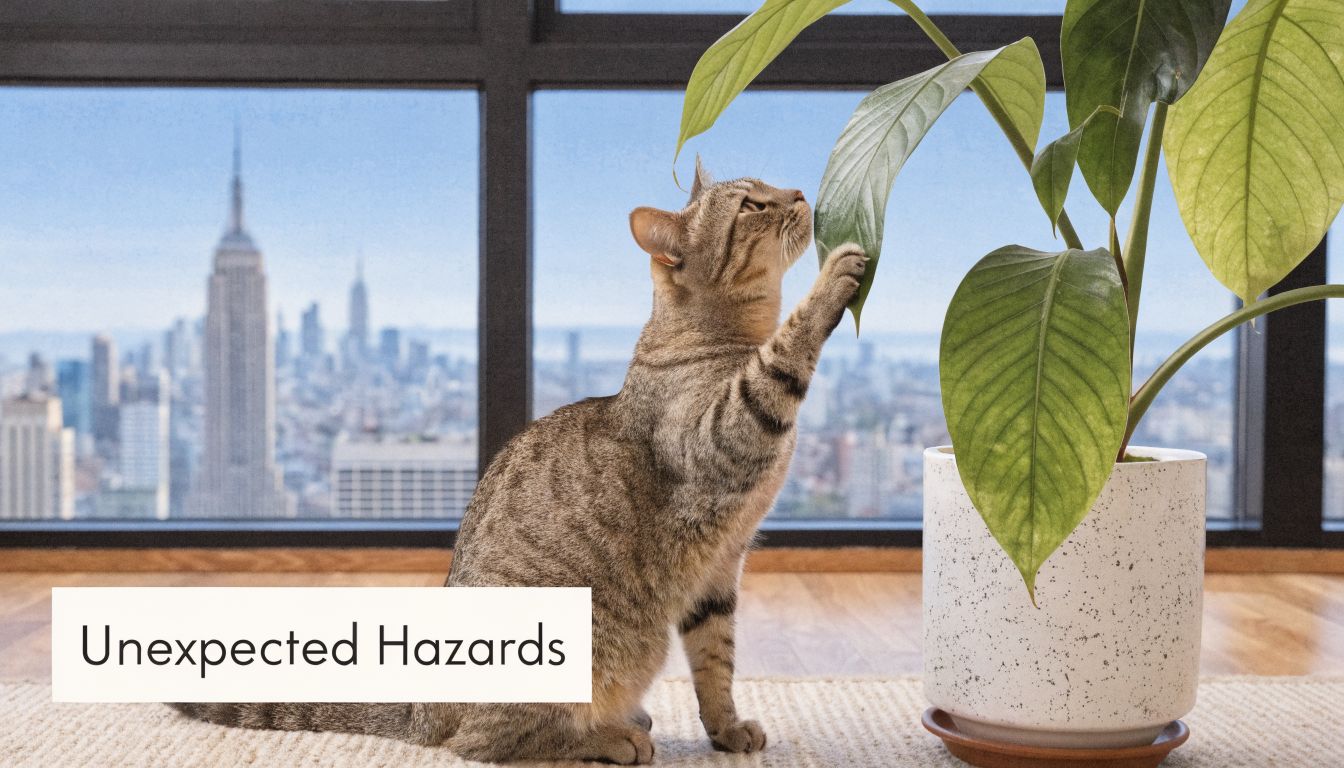
The point of a cat first aid kit is simple. It helps you do the first few safe things well. That might mean applying pressure to a bleeding paw, checking temperature correctly, wrapping your cat in a towel for safer transport, or having food, water, and records ready if you need to leave home quickly.
Generic pet kits often miss what cats need. The global pet first aid market is projected to reach USD 578.6 million by 2035, and one reason for that growth is rising owner awareness that dog-oriented kits don't reliably work for cats. Cat-specific basics include a digital thermometer for a normal range of 100.5°F to 102.5°F, plus gauze, self-adhesive wrap, and antibiotic ointment to stabilize injuries before veterinary care.
Why this matters in Queens
In Queens, preparation matters because delays are real. You may be waiting for a family member to help, navigating stairs with a carrier, or crossing neighborhoods from Oakland Gardens to another part of the borough. A ready kit buys you calm and a few useful minutes.
Practical rule: First aid is for stabilization, not diagnosis and not home treatment for serious illness.
A good kit also supports preventive care. When owners keep records organized and know what's normal for their cat, they often spot trouble earlier during everyday life. If you're building a broader health plan, preventive veterinary care for cats is the foundation that makes emergencies easier to recognize.
What a kit changes in real life
Without a kit, people improvise. They grab sticky tape that pulls fur, use the wrong cleanser, or spend precious time hunting for a thermometer battery.
With a kit, you can:
- Control the scene: Move your cat to a quieter room and reduce stress.
- Do one safe intervention: Pressure on a wound, towel restraint, temperature check, or transport setup.
- Avoid common mistakes: Especially using products meant for dogs or people.
- Leave faster: Carrier, records, medication list, and supplies are already together.
That preparation doesn't make emergencies pleasant. It makes them more manageable.
Your Essential Cat First Aid Kit Checklist
In Queens apartments, the best kit is the one you can grab fast, carry down the stairs, and use without digging through a jumble of dog supplies and old receipts. A cat first aid kit should stay compact, organized, and focused on safe stabilization before you head to the vet.
Use a hard plastic box, a tackle organizer, or a zippered case with clear compartments. Label it. In a small apartment, that matters.
Wound care supplies
These are the items I reach for most often when owners call about a fresh injury.
Sterile non-stick gauze pads
Use gauze to apply gentle pressure to bleeding and to cover a wound for transport. It is cleaner, safer, and less likely to stick to fur or damaged skin than paper towels or tissues.Self-adhering bandage wrap (vet wrap)
Vet wrap holds gauze in place without sticking to fur. Wrap lightly. If it feels snug to you, it may already be too tight for a cat.Pet-safe antiseptic wound cleanser
A simple cleanser is more useful than a drawer full of ointments. Flush surface dirt away if your cat will tolerate it, then stop and arrange care if the wound is deep, punctured, or painful.Styptic powder or cornstarch
Keep this for a bleeding nail, especially after a torn claw or a quick cut during nail trimming.Cotton balls or cotton-tipped applicators
Use these around a wound, not inside it. They can help with careful cleaning near the area.Cold pack
A cold pack wrapped in cloth can reduce swelling during the trip to the clinic.
If you have room for only one extra item, make it more gauze.
Essential tools
A generic household first aid box usually misses the tools that matter for cats.
- Digital pet thermometer
- Water-based lubricant for rectal temperature checks
- Tweezers
- Blunt-tip scissors
- Disposable gloves
- Flashlight
- Small towel or pillowcase for restraint
- Oral syringes
- Compact emergency blanket
A thermometer is useful only if you know how to use it safely and your cat can be handled without a struggle. If your cat is panicked, skip the temperature check and focus on safe transport. The flashlight helps in dim hallways, stairwells, and under beds. In Queens homes, those details matter more than people expect.
A towel or pillowcase deserves a place on this list. Cats in pain often resist handling, and a towel can protect both the cat and the person helping.
Emergency supplies and paperwork
Medical care goes faster when the basics are already packed.
- A few days of your cat's regular food
- Bottled water
- Portable bowls
- Current medication list
- Extra doses of prescribed daily medication
- Medical records in a waterproof bag
- A recent photo of your cat
- Comfort item such as bedding or a familiar towel
- A secure carrier kept ready to use
- Union Vet NY contact information and your fastest route there
Food and water belong in the kit because some emergencies are not medical at first. Smoke in the building, a gas shutoff, a burst pipe, or a power outage can force a quick exit. A familiar diet, regular medication, and a carrier that is already accessible can save time and lower stress.
For multi-cat households, keep one photo and one medication list for each cat. Do not rely on memory when two frightened tabbies look almost identical in a carrier.
What not to keep in the kit
Some common items create risk.
Hydrogen peroxide
Do not use it on cats unless a veterinarian gives a specific instruction. It can cause harm and is not a routine feline first aid item.Sticky household tape for bandaging
It pulls fur, irritates skin, and makes removal harder.Human pain medications
These can be dangerous or fatal for cats.Leftover antibiotics or prescription creams from another pet
Wrong drug, wrong dose, and delayed treatment are common problems here.Dog-sized muzzles or oversized restraint gear
Poor fit makes handling less safe, not more safe.
Cat first aid kit essentials
| Item | Purpose | Union Vet Tip |
|---|---|---|
| Sterile gauze pads | Apply pressure and cover wounds | Keep several sizes for paws, legs, and larger areas |
| Vet wrap | Secure bandages without sticking to fur | You should be able to slide a finger under the wrap |
| Digital thermometer | Check for fever or low body temperature | Store it with lubricant in the same pouch |
| Tweezers | Remove visible debris when safe | Do not dig into wounds, ears, or paws |
| Blunt-tip scissors | Cut bandage material safely | Small scissors are easier to control around cats |
| Cold pack | Reduce swelling during transport | Wrap it in cloth before use |
| Disposable gloves | Keep wounds cleaner and protect you | Pack several pairs |
| Emergency blanket | Help preserve body heat | Useful for weak, wet, or chilled cats |
| Bottled water and bowls | Support hydration during a disruption | Replace stored water on a schedule |
| Medical records | Speed triage and reduce confusion | Keep paper copies in a waterproof bag |
Storage advice that works
Store the kit where you can reach it in seconds. Near the front door is usually best.
In many Queens homes, the most practical setup is simple:
- Main kit near an exit
- Carrier stored close by, not in a high closet
- Paperwork inside the kit
- Food, water, and medications in a nearby bin
- One small grab-and-go pouch for each additional cat in multi-cat homes
If you buy a pre-made pet first aid kit, expect to edit it. Many include dog items, miss feline restraint supplies, or come with bandaging materials that are not enough for a real emergency.
Customizing the Kit for Your Cat and Home
The best cat first aid kit isn't the biggest one. It's the one that fits your actual life. A kitten in Queens Village, a senior cat in Glen Oaks, and a three-cat apartment in Hollis don't need the exact same setup.

For multi-cat homes
If you live with more than one cat, scale up. A single roll of wrap and a few gauze pads disappear quickly when two frightened cats are involved. In urban settings like Queens, 20% to 30% of cat emergency visits are for fight-related wounds, and DIY kits are 40% more cost-effective for these homes because you can stock extra vet wrap, multiple syringes, and more restraint materials in bulk, as noted in guidance for multi-cat first aid kits.
That means adding:
- Extra gauze and vet wrap
- Multiple towels or pillowcases for restraint
- More than one syringe size for flushing or medications
- Separate medication labels for each cat
- Compartmentalized storage so you aren't digging through one mixed bin
In a multi-cat apartment, organization matters almost as much as supplies. A chaotic kit slows you down.
For kittens, seniors, and cats with chronic issues
A standard list is only the starting point.
For kittens, include small towels, feeding tools if your veterinarian has recommended them, and any specific supplies your kitten has already needed before. Young cats can decline fast when they stop eating, become chilled, or develop diarrhea, so your kit should support quick transport and clear record-keeping.
For senior cats, add comfort-focused items. Extra soft bedding, a familiar towel for transport, and a written medication schedule help more than people expect. Older cats also benefit from a kit that's easy to grab without sorting through clutter.
For cats with allergies, asthma, diabetes, heart disease, or other chronic conditions, personalize the kit around veterinary instructions. Keep:
- A current medication list
- Dosing instructions exactly as prescribed
- A refill buffer if your veterinarian recommends one
- Known allergy information in writing
- Recent records in a waterproof bag
Only add medications if they are already part of your cat's medical plan, or if your veterinarian advises keeping them on hand.
For small apartments
Storage is the Queens-specific challenge I hear about most often. The answer usually isn't a larger box. It's a smarter one.
Try this setup:
- Use a compact hard-sided container that fits in a kitchen cabinet, hall closet, or entry bench.
- Keep the carrier assembled and accessible, not folded away under heavy storage.
- Store the kit vertically with labeled zipper pouches inside for wound care, tools, and records.
- Put a small grab list on top with your cat's name, medications, feeding notes, and emergency contacts.
A compact kit you can reach in seconds is better than an elaborate kit buried behind cleaning supplies.
How to Respond to Common Cat Emergencies
When a cat is hurt, your job is to slow the moment down. Check breathing. Protect your cat from further injury. Use your supplies for brief stabilization, then get moving when needed.

Bleeding from a paw, nail, or skin wound
Symptoms to watch for
- Visible blood on fur or floor
- Persistent licking of one paw or limb
- A torn nail
- A cut after a jump, scuffle, or snagged claw
When it's urgent vs emergency
Minor oozing can be urgent but manageable while you prepare to leave. If bleeding doesn't stop after 10 minutes, it's a veterinary emergency. For minor venous bleeding, firm pressure with sterile gauze for 3 to 5 minutes helps stabilize many cases, and pre-hospital pressure achieves stabilization in 85% to 90% of minor venous bleeds according to cat wound first aid guidance.
What to do before you arrive
- Place your cat on a stable surface or wrap them in a towel if they're panicked.
- Apply firm, direct pressure with sterile gauze for 3 to 5 minutes without peeking.
- If the gauze soaks through, add more on top. Don't pull the first layer off.
- Secure the dressing with self-adherent vet wrap, not sticky tape.
- Keep the wrap snug, not tight.
- Transport for evaluation if the wound is deep, dirty, painful, or still bleeding.
Don't clean a bleeding wound with hydrogen peroxide. It can damage tissue and delay healing.
A wound that looks small through fur can hide more damage than you think. Cats also lick aggressively, which can reopen a clot.
Text us at 718-301-4030. If symptoms are severe or after hours, go directly to a 24/7 emergency hospital.
Suspected poisoning or toxin exposure
Symptoms to watch for
- Drooling
- Vomiting
- Sudden hiding or collapse
- Tremors
- Difficulty breathing
- Chewed plant leaves, spilled chemicals, or medication access
When it's an emergency
Treat this as an emergency if your cat is struggling to breathe, seems weak, has repeated vomiting, becomes unresponsive, or you know they contacted a toxin. Don't wait for every symptom to appear.
What to do before you arrive
- Remove access to the substance
- Do not force vomiting
- Bring the packaging or plant photo if possible
- Keep your cat in a carrier or wrapped in a towel for safe transport
- Don't give human medications unless your veterinarian advises
If you're unsure how serious signs are, this guide on when to take a cat to an emergency vet can help you recognize situations that need immediate care.
Text us at 718-301-4030. If symptoms are severe or after hours, go directly to a 24/7 emergency hospital.
Sudden limping or inability to bear weight
Some cats limp briefly after landing awkwardly, then seem normal. Others hide a fracture, bite wound, or soft tissue injury behind what looks like a simple favoring of one leg.
Symptoms to watch for
- Refusal to put weight on a limb
- Swelling
- Crying out when touched
- Hiding after a fall or jump
- A hot, painful paw
When it's urgent vs emergency
Urgent care is needed if limping is persistent, painful, or associated with swelling, a wound, or lethargy. It's an emergency if your cat can't stand, has obvious deformity, or seems weak or distressed overall.
What to do before you arrive
- Restrict movement immediately
- Use the carrier, not your arms alone
- Place soft bedding inside
- Apply a wrapped cold pack briefly if swelling is obvious and your cat tolerates it
- Don't try to splint unless you've been specifically instructed
Breathing trouble or sudden collapse
This isn't a home-care situation.
Symptoms to watch for
- Open-mouth breathing
- Pronounced effort with each breath
- Blue, gray, or very pale gums
- Collapse
- Severe weakness
When it's an emergency
Always.
What to do before you arrive
- Keep handling minimal
- Do not force food, water, or medications
- Move your cat gently into a carrier
- Keep the environment quiet and cool
- Leave immediately
Text us at 718-301-4030. If symptoms are severe or after hours, go directly to a 24/7 emergency hospital.
Using Your Kit Safely and Knowing When to Call the Vet
A cat first aid kit is helpful only when it's used within limits. The safest owners are not the ones who try to do the most. They're the ones who know when to stop, contain the problem, and call.
How to check temperature correctly
A cat's normal rectal temperature is 100.5°F to 102.5°F. A lubricated digital thermometer is the most accurate way to check. A reading over 103°F can indicate infection, and a temperature below 99°F can signal shock. Stress can also raise temperature by 1 to 2°F, so it's smart to wait 5 minutes after restraining if your cat is safe enough to pause, based on Bond Vet's cat first aid guidance.
Basic temperature steps:
- Wrap your cat in a towel if needed
- Lubricate the thermometer tip
- Insert gently and only as far as needed
- Read and record the temperature
- Stop if your cat is too distressed
If checking temperature will delay urgent transport, skip it and leave.
Signs that need immediate veterinary attention
These are not watch-and-wait problems.
- Difficulty breathing
- Seizures
- Uncontrolled bleeding
- Repeated vomiting
- Unresponsiveness
- Severe limping or inability to stand
- Abdominal swelling
- Temperature above 104°F
- Temperature below 99°F
- Straining to urinate
- Suspected poisoning
- Pale gums or collapse
The kit buys time. It should never persuade you to stay home with a cat that needs emergency care.
Safe first aid habits
A few habits prevent many home mistakes:
- Use towels for restraint, not force
- Don't give human medications unless your veterinarian advises
- Don't pour alcohol into wounds
- Don't keep checking a clot every few seconds
- Don't bandage tightly
- Don't assume a quiet cat is improving
If you need urgent evaluation, emergency veterinary care in Queens is the right next step when symptoms are severe.
Text us at 718-301-4030. If symptoms are severe or after hours, go directly to a 24/7 emergency hospital.
Kit Maintenance and Long-Term Preparedness
At 2 a.m., during a building alarm or sudden plumbing leak, nobody wants to search three closets for a carrier, meds, and a working thermometer. In Queens apartments, space is tight and exits can get crowded fast. Your kit has to stay current, easy to grab, and ready for a quick trip downstairs or straight to the car.
Keep the kit ready
Set two calendar reminders each year and treat them like any other pet care task. I usually tell cat owners to pick dates they will remember, such as the start of spring and the start of fall. In a multi-cat home, check after any illness or minor injury too, because supplies disappear faster than people expect.
During each review:
- Replace expired items
- Restock gauze, wrap, gloves, and wound-cleaning supplies
- Test the thermometer and replace batteries if needed
- Check that vaccination and medical records are current
- Update medication lists and dosing instructions from your veterinarian
- Wash or replace towels and bedding
- Confirm each carrier still works and closes securely
A kit that lives under a sink for two years is often missing the one item you need first.
Build a real grab-and-go setup
Long-term preparedness matters in the city because emergencies are not always medical. Elevator outages, apartment repairs, smoke conditions, and short-notice evacuations happen. Your cat may need to leave home quickly and stay elsewhere for several hours or longer.
Keep a separate go-bag with the first aid kit or clipped to the carrier. Include what your cat would need if you had to leave your apartment without time to pack.
Keep these together:
- Several days of food in sealed portions
- Bottled water
- Portable bowls
- Any prescription medication
- Medical records in a waterproof bag
- A recent photo of your cat
- A comfort towel or familiar bedding
- A litter pan option for temporary setup, if space allows
- Carrier with an identification label attached
For multi-cat households, avoid one shared bag if it becomes too heavy or confusing. Label each cat's medication, records, and food clearly. In an emergency, that saves time and prevents mistakes.
Where to store it
Store the kit in a cool, dry spot near the exit, not buried in a high cabinet or split between rooms. In a small Queens apartment, a shelf by the front door, an entry bench, or a hall closet usually works better than a bathroom cabinet.
Everyone in the home should know the exact location. If a neighbor, roommate, pet sitter, or family member may help in an emergency, show them where the carrier and kit are kept.
Keep the container light enough to carry with one hand. Label it clearly. If you may need urgent veterinary care, keep Union Vet NY's number saved in your phone and written on a card inside the kit so you are not searching for it while trying to get out the door.
Cat First Aid Frequently Asked Questions
Can I just buy a pre-made pet first aid kit
You can start there, but check it carefully. Many pre-made kits are too generic and may include items better suited to dogs than cats. Most cat owners still need to add a digital thermometer, feline-appropriate wound supplies, records, food, water, and a few restraint items.
Should I use hydrogen peroxide on a wound
No. It isn't a good choice for cat wound care and can damage tissue. For a bleeding wound, pressure with clean gauze is more useful while you prepare for veterinary evaluation.
Can I give my cat pain medicine from my medicine cabinet
No. Only if your veterinarian advises. Human pain medications can be dangerous for cats. If your cat seems painful, the safest response is to limit movement, keep them calm, and seek veterinary care.
What's the safest way to transport an injured cat
Use a secure carrier whenever possible. If your cat is painful or frightened, wrap them gently in a towel first, then place them in the carrier on soft bedding. Keep the car quiet, avoid unnecessary handling, and don't let an injured cat ride loose.
How do I know if a limp can wait until morning
If your cat is walking almost normally, eating, and not showing obvious pain, the situation may be less urgent than a non-weight-bearing limp. But if the limp is severe, sudden, associated with swelling, a visible wound, lethargy, or your cat refuses to move, don't wait.
Do indoor cats really need a cat first aid kit
Yes. Indoor cats still tear nails, fall, chew plants, get into cleaners or medications, develop sudden illness, and fight with housemates. Indoor life changes some risks, not the need for preparation.
What if my cat hates being handled
That's common. The first priority is safety, not completing every step. If your cat is too distressed to allow a bandage or temperature check, use the towel, secure the carrier, and go. A frightened cat can scratch or bite quickly, even if they're usually gentle.
What paperwork should stay in the kit
Keep copies of:
- Vaccination history
- Medication list
- Known allergies
- Recent medical records
- Microchip information
- A current photo
Paper copies in a waterproof bag help if your phone battery dies or someone else needs to bring your cat in.
How often should I replace food and water in the kit
Check both regularly and rotate them before they become outdated. Also check package seals. Emergency supplies are only useful if your cat will eat and drink them when stressed.
If you need guidance about preparing a cat first aid kit or you're worried your cat may be having an urgent problem, contact Union Vet NY. Text us at 718-301-4030. If symptoms are severe or after hours, go directly to a 24/7 emergency hospital.
