
Cat Congested Sneezing: Expert Care in Queens
If you're reading this while your cat is sitting under the bed, making little snuffling sounds, and sneezing every few minutes, you're not alone. This is one of the most common reasons cat owners in Queens reach out for advice, especially after a move, a new pet, boarding, or the stress of settling into a different routine.
Most cases of cat congested sneezing are not immediately life-threatening. But some are uncomfortable enough to stop a cat from eating, and a smaller group point to something more serious than a simple viral infection. The key is knowing which signs you can monitor, which need a prompt exam, and which mean your cat needs urgent care right away.
Cats in Oakland Gardens, Bayside, Fresh Meadows, Glen Oaks, Little Neck, Hollis, and Queens Village often show the same early pattern. Sneezing. A stuffy nose. Watery eyes. Less interest in food. Sometimes that's a straightforward upper respiratory infection. Sometimes it isn't.
Your Cat Is Sneezing and Congested What It Means
A congested, sneezing cat usually has inflammation somewhere in the upper airway. That often means the nose, sinuses, or throat are irritated, swollen, or full of discharge. To a cat, that feels worse than many owners expect because cats rely heavily on smell to eat and feel comfortable.
You may notice:
- Repeated sneezing
- Nasal discharge, clear or thicker mucus
- Noisy breathing through the nose
- Watery or irritated eyes
- Reduced appetite
- Sleeping more than usual
- Pawing at the face
- A change in voice or quieter meows
Some cats still act fairly normal despite obvious congestion. Others become withdrawn quickly because they can't smell food well and don't want to eat. That drop in appetite matters. Cats can get into trouble fast when they stop eating, especially kittens, seniors, and cats with other medical issues.
What matters most: don't judge the problem by sneezing alone. Watch breathing effort, appetite, energy, and the color or amount of discharge.
A mild case can look a lot like a human cold. A more serious case may involve thick discharge, dehydration, mouth breathing, or signs of pain. Chronic sneezing can also mean the original infection never fully resolved, or that the underlying issue isn't viral at all.
If you're worried and want guidance on next steps, Text us at 718-301-4030. If symptoms are severe or after hours, go directly to a 24/7 emergency hospital.
Common Causes of Cat Congestion and Sneezing
Most owners first assume allergies. In cats, that's usually not the first thing on the list. The more common explanation is an upper respiratory infection, often viral, that causes swelling inside the nasal passages and triggers sneezing.
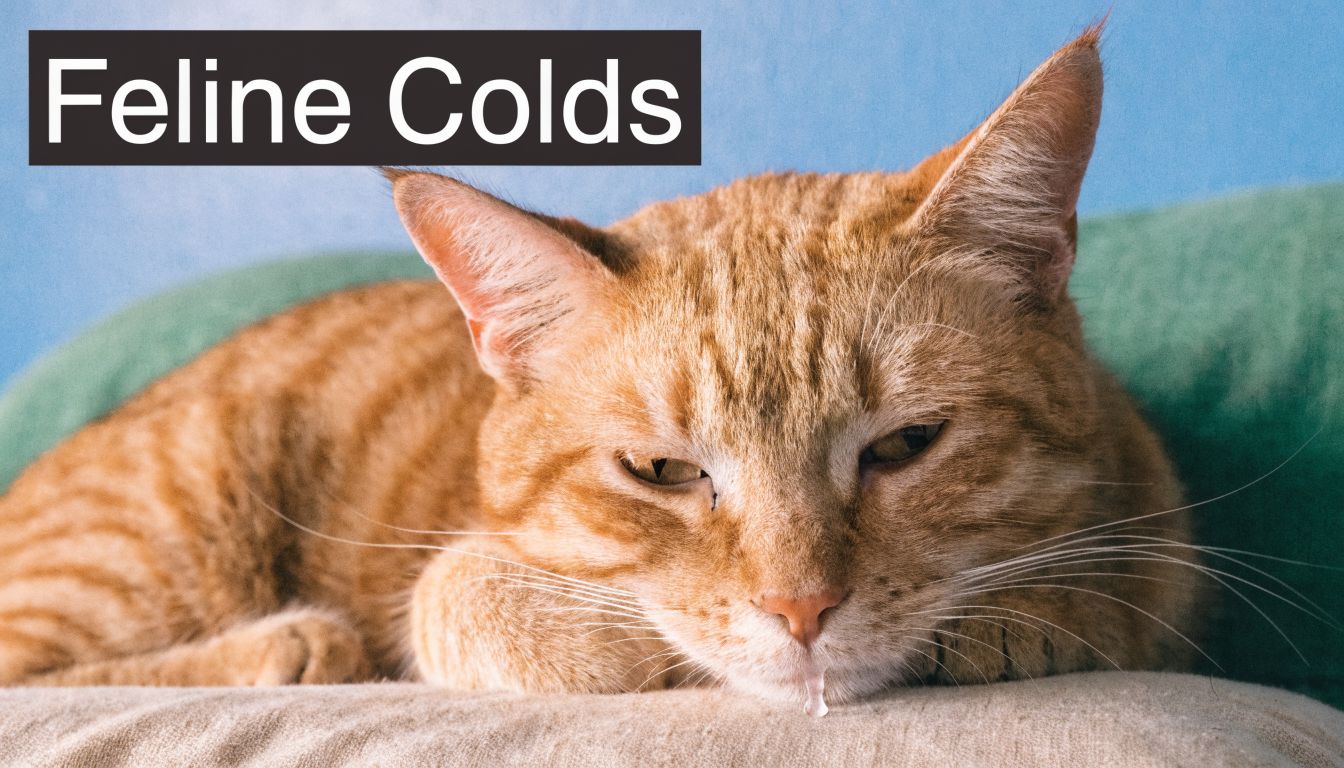
The most common reason is a cat cold type illness
In cats exhibiting congested sneezing, feline herpesvirus-1 (FHV-1) and feline calicivirus (FCV) account for approximately 80-90% of upper respiratory infections, according to Peak Veterinary's discussion of why cats sneeze. These viruses spread between cats, not to people, and they commonly cause sneezing, congestion, eye irritation, and nasal discharge.
This is why a new kitten, a recently adopted shelter cat, or a cat under stress may suddenly sound stuffed up. Viral infections inflame the lining of the nose. That swelling narrows the airways and traps mucus, which leads to noisy breathing and repetitive sneezing.
If you're wondering whether another infectious airway problem could be involved, this article on cats and kennel cough can help clarify how respiratory infections spread and why symptoms can overlap.
Secondary infection changes the picture
A simple viral infection can become more complicated when bacteria move in after the tissues are already irritated. That's when discharge often changes from thin and clear to thicker yellow or green mucus.
That color change doesn't tell us everything by itself, but it often means the problem is no longer just irritation. It may need veterinary treatment rather than home monitoring alone.
Look for these clues:
- Clear discharge: often fits an early or milder viral process
- Yellow or green discharge: raises concern for secondary bacterial involvement
- Eye discharge with squinting: can mean more inflammation and discomfort
- Bad breath or one-sided drainage: makes us think beyond a routine URI
Viral infections often start the problem. Bacteria, dehydration, and poor appetite are what make many cats feel much worse.
Not every sneezing cat has a virus
Chronic or one-sided sneezing can point to other issues. A hidden dental infection can irritate the nasal passage. Polyps, fungal disease, foreign material, or even structural disease inside the nose can produce similar signs.
That's why duration matters. A cat that sneezes for a day or two with mild congestion is different from a cat that's been congested for weeks, sneezes mostly while eating, or has discharge from one nostril.
When Sneezing Becomes a Veterinary Emergency
Some cats with congestion just need supportive care and close watching. Others need same-day help. A few need emergency treatment without delay.
The question isn't only, "Is my cat sneezing?" It's, "How hard is my cat working to breathe, and are they still eating, drinking, and acting like themselves?"
Symptom severity guide
| Symptom Level | Signs to Watch For | Action to Take |
|---|---|---|
| Monitor at home | Occasional sneezing, mild clear nasal discharge, mild watery eyes, normal breathing, still eating and drinking | Watch closely, encourage food and hydration, keep your cat rested and comfortable |
| Schedule a vet visit | Frequent sneezing, obvious congestion, thick discharge, reduced appetite, low energy, symptoms that aren't improving, repeated flare-ups | Arrange an exam soon and keep notes on appetite, discharge, and breathing changes |
| Seek immediate or emergency care | Open-mouth breathing, severe breathing effort, collapse, profound weakness, blue or gray gums, inability to rest because of breathing distress, marked refusal to eat with worsening illness | Go for urgent veterinary evaluation right away |
Signs that move this out of the watch and wait category
Call for veterinary guidance promptly if your cat has:
- Thick nasal discharge
- A clear drop in appetite
- Noticeable lethargy
- Repeated sneezing every day without improvement
- Eye pain, squinting, or swollen eyes
- Signs isolated to one side of the nose
- Sneezing triggered by chewing or eating
If breathing looks labored, review these warning signs for a cat having trouble breathing. Breathing effort matters more than the number of sneezes.
If your cat is breathing with an open mouth, that's not typical congestion. That's an emergency.
What urgent versus emergency really means
Urgent means your cat should be seen as soon as possible because the problem is affecting comfort, nutrition, or recovery. Thick discharge, not eating well, or worsening congestion belong here.
Emergency means your cat may not be getting enough air or is deteriorating quickly. Open-mouth breathing, collapse, or blue-tinged gums are never wait-and-see problems.
Before leaving home, keep your cat calm, use a secure carrier, and avoid handling that increases stress. A frightened cat with breathing trouble can worsen with struggle.
Text us at 718-301-4030. If symptoms are severe or after hours, go directly to a 24/7 emergency hospital.
How We Diagnose Feline Sneezing at Union Vet NY
Diagnosis starts with a simple question. Is this a routine upper respiratory infection, or is something more hidden causing the congestion?
A careful exam often gives the first big clues. We look at the nose, eyes, mouth, hydration, breathing pattern, and overall energy level. We also listen to the chest, because upper airway noise and lower airway disease can sound similar to an owner at home.

The first visit usually focuses on pattern recognition
A few details change the whole workup:
- How long it's been going on
- Whether the discharge is clear, cloudy, or one-sided
- If eating has changed
- Whether the cat is vaccinated
- If the problem comes and goes with stress
- Whether there are oral signs like bad breath or dental pain
That history helps sort likely viral disease from chronic inflammation, dental disease, or a structural problem in the nose.
Testing depends on whether the problem is simple or persistent
For a straightforward case, the exam and symptom pattern may be enough to guide initial treatment. If signs are severe, recurrent, or don't match the usual viral picture, we may recommend lab work or imaging.
For chronic feline rhinosinusitis, diagnostics may include three-view radiographs and even rhinoscopy with a 1.9mm arthroscope to visualize polyps or neoplasia. A CT scan remains the gold standard for nasal evaluation, and the review linked in this PMC article on chronic upper respiratory tract disease in cats notes that 20-30% of shelter URI strains become chronic.
That matters in real life. A cat that's been congested for months may need more than another round of medication. We may need to look for chronic turbinate damage, inflammatory disease, a polyp, fungal disease, or a mass.
Chronic sneezing deserves a different mindset. If the problem keeps returning, the next step isn't always "try the same medication again."
Dental disease is the hidden cause many owners don't expect
Upper tooth roots sit close to the nasal passages. When a tooth root is infected, the nose can become irritated enough to cause chronic sneezing or discharge. In some cats, the discharge is mostly from one side. In others, sneezing worsens during or after meals.
That's why a good oral exam matters even when the owner is worried about a "cold." If the mouth is the source, antiviral or supportive respiratory care alone won't fix the problem.
Veterinary Treatments and Long-Term Prevention
Treatment works best when it matches the cause. Congestion from a mild viral infection is managed differently from secondary bacterial infection, chronic rhinitis, or dental disease. The biggest mistake is assuming every sneezing cat needs the same plan.

What treatment often looks like
Some cats mainly need supportive care. That means helping them stay hydrated, keeping the nose clear, encouraging food intake, and reducing stress while the immune system does its work.
Other cats need prescription medication because the picture has shifted. If discharge is thick and bacterial infection is suspected, antibiotics may be appropriate. If herpesvirus flare-ups are part of a repeated pattern, antiviral treatment may be considered. If a tooth root infection is causing the problem, dental treatment becomes the priority.
What doesn't work well is random treatment changes without a diagnosis. Repeating leftover medication, starting supplements without guidance, or waiting through recurrent episodes can delay the right answer.
Why some cats keep relapsing
The primary cause of viral URIs, feline herpesvirus type 1, affects approximately 97% of all cats, with about 80% becoming permanent carriers, and stress can trigger reactivation in about 50% of these carriers, according to the Morris Animal Foundation article on feline upper respiratory infections. That carrier state is why some cats seem better for months and then start sneezing again after boarding, moving, illness, or another stressor.
This doesn't mean every relapse is severe. It does mean recurrent sneezing often needs management, not just one-time treatment.
Prevention is less dramatic, but it matters more
The same Morris Animal Foundation review notes that FVRCP vaccination prevents 80-90% of primary infections. Vaccination doesn't guarantee a cat will never sneeze, but it lowers the risk of severe disease and is one of the best preventive steps owners can take.
Long-term prevention also includes practical household choices:
- Keep vaccinations current: especially for kittens, newly adopted cats, and cats with frequent exposure to other cats
- Lower stress at home: keep routines predictable, offer hiding spaces, and introduce pets gradually
- Support appetite early: congested cats can stop eating because they can't smell well
- Separate sick cats when possible: this is especially helpful in multi-cat homes
- Don't ignore repeat episodes: recurring congestion deserves a more complete workup
Prevention isn't only about vaccines. For many cats, a calmer environment is part of medical care.
Chronic cases need realistic expectations
Some cats recover fully from a single infection. Others develop chronic rhinitis after the original infection damages the nasal tissues. In those cats, the goal becomes control rather than cure. We focus on reducing flare-ups, supporting appetite, treating complications early, and identifying any hidden factors that make the congestion worse.
Safe Home Care for Your Congested Cat
Home care can help a mildly congested cat feel better, but it should stay in the lane of safe supportive care. If your cat is struggling to breathe, stops eating, or looks significantly worse, home care is not enough.
What you can do safely
- Use gentle humidity: run a humidifier nearby or sit with your cat in a steamy bathroom for a short period so mucus is easier to clear
- Clean the nose and face: use a soft damp cloth to wipe away discharge so the nostrils stay open
- Offer warmed wet food: stronger smell can tempt a congested cat to eat
- Keep water easy to reach: place fresh water close to resting spots
- Reduce stress: give your cat a quiet room away from household activity, children, and other pets
- Track the basics: write down appetite, energy, sneezing frequency, and what the discharge looks like
What not to do
Do not give human cold medicine, decongestants, pain relievers, or cough products, unless your veterinarian advises it. Many common human medications are unsafe for cats.
Don't force food aggressively into a cat that's stressed or having trouble breathing. Don't assume all sneezing is viral if the pattern is odd or persistent.
Watch for clues that point away from a simple URI
Differentiating viral from dental causes is critical. Upper tooth root infections can cause chronic sneezing, and PetMD's review of cat sneezing causes notes that up to 70% of senior cats have dental disease that may contribute to rhinitis. Signs can include sneezing triggered by eating or unilateral discharge.
Those details matter at home. If your cat seems to sneeze after chewing, drops food, has bad breath, or drains mostly from one nostril, mention that during your appointment.
A home care trick should make your cat more comfortable. It shouldn't replace an exam when the signs don't fit a routine cold.
If you're unsure whether your cat is safe to monitor, text us at 718-301-4030. If symptoms are severe or after hours, go directly to a 24/7 emergency hospital.
Frequently Asked Questions About Cat Sneezing
Can my cat give this to me or my dog
Usually, the common viral causes of cat sneezing are infections that spread between cats, not to people. Feline herpesvirus and calicivirus are feline diseases. If you have multiple cats, though, it's reasonable to limit direct contact, avoid shared bowls for the moment, and wash your hands after handling the sick cat.
Is occasional sneezing normal
A single sneeze here and there can happen from dust, litter irritation, or mild nasal irritation. What concerns veterinarians is a pattern. Repeated sneezing, congestion, eye discharge, appetite changes, or low energy suggests more than a minor irritant.
Why are kittens and stressed cats hit harder
Feline herpesvirus and calicivirus together account for approximately 90% of feline upper respiratory tract diseases, and risk is highest in kittens and stressed adults, according to Today's Veterinary Practice on feline rhinitis and upper respiratory disease. In dense cat populations, URIs can affect up to 50-70% of kittens, which helps explain why recently adopted kittens often arrive with sneezing or congestion.
Stress changes how cats eat, rest, and respond to infection. A move, a new pet, loud home repairs, or boarding can all be enough to trigger a flare in a vulnerable cat.
What else can cause sneezing besides infection
When sneezing doesn't improve, comes from one nostril, or keeps returning, we start thinking about chronic rhinitis, hidden dental disease, polyps, fungal disease, or a mass in the nasal cavity. Those are not the most common causes, but they matter because treatment is completely different.
How do I know when to stop monitoring and go in
If your cat is worsening instead of stabilizing, isn't eating well, seems weak, or has any breathing concern, don't wait too long. If you need help deciding, this guide on when to take a cat to the emergency vet is a useful next step.
If your cat is congested, sneezing, eating less, or showing signs that don't feel right, Union Vet NY can help you decide what needs urgent attention and what can be safely monitored. Text us at 718-301-4030. If symptoms are severe or after hours, go directly to a 24/7 emergency hospital.
