

The Best Diet for Senior Cats: A Practical Guide for Queens Pet Owners
The right diet for a senior cat is one that's easy to digest, packed with moisture to keep their kidneys happy, and includes key nutrients like omega fatty acids for their aging joints. As cats in Queens get older, what they need from their food changes dramatically. A specialized diet is essential for keeping them strong, energetic, and healthy.
Understanding Your Senior Cat's New Dietary Needs
Once your cat hits their golden years—which usually starts around age seven—their body starts working differently. Think of their digestive system like a classic car engine. It still runs great, but now it needs premium fuel and a little extra TLC to perform at its best. The standard adult cat food they've been eating just won't cut it anymore.
These age-related changes are exactly why finding the best diet for your senior cat is so important for their long-term health. Their metabolism slows down, making them more likely to gain weight. At the same time, their senses of smell and taste can dull, which can turn them into picky eaters seemingly overnight.
Why Senior Diets Are Different
One of the biggest shifts we see is a drop in their ability to pull nutrients from their food. This is something vets call nutrient digestibility. It means that even if you're feeding them a high-quality meal, their aging gut might not be absorbing all the protein and fats they need to maintain muscle and energy levels.
Senior cats often struggle to process nutrients as efficiently as they used to. In fact, their bodies may need 20-30% more high-quality protein just to maintain their existing muscle mass and prevent age-related wasting.
This is the main reason why specially formulated senior cat foods are so effective. They're designed with ingredients that are much easier for an older cat's system to break down and actually use.
We can see some clear differences when we compare the needs of a younger adult cat to a senior.
Adult Cat vs Senior Cat Dietary Needs at a Glance
This table breaks down the key nutritional shifts your cat needs as they transition from their adult years into seniority.
| Nutritional Factor | Adult Cat (1-6 years) | Senior Cat (7+ years) |
|---|---|---|
| Protein Needs | Standard levels for muscle maintenance. | Higher levels of highly digestible protein to prevent muscle loss. |
| Calorie Density | Matched to an active lifestyle to maintain a healthy weight. | Often lower in calories to prevent obesity as metabolism slows. |
| Moisture Content | Important, but less critical. | Crucial; higher moisture (wet food) is vital for kidney and urinary health. |
| Key Nutrients | Balanced for overall health. | Fortified with omega-3s, antioxidants, and sometimes glucosamine for joints and cognitive function. |
| Digestibility | Standard, good-quality ingredients are sufficient. | Highly digestible ingredients are essential for maximum nutrient absorption. |
Simply put, a senior cat's diet needs to work smarter, not harder, to deliver the right nutrition.
Key Nutritional Changes We See in Senior Cats
As cats age, what they need from their food evolves. Here are some of the most common changes we see in our feline patients from Fresh Meadows to Little Neck:
- Decreased Nutrient Absorption: Research has shown that older cats have a harder time absorbing fat and protein. This means they need more of these key nutrients, and in a more digestible form, just to stay in good shape. You can learn more about the specific nutritional needs of aging felines here.
- Slower Metabolism: A less active, "couch potato" lifestyle means senior cats burn fewer calories. Senior diets are typically less calorie-dense to help prevent obesity, which puts a huge strain on their joints.
- Need for More Moisture: Kidney health is a top concern for senior cats. Wet food is a fantastic way to provide the hydration they need to support kidney function and avoid dehydration, which they're much more prone to.
- Joint and Mobility Support: Many senior foods come with added benefits like glucosamine and omega-3 fatty acids. These supplements help soothe stiff joints and keep your cat moving comfortably.
Understanding these shifts makes it clear why just feeding less of their old food isn't the solution. A well-chosen senior diet gives your companion the targeted support they need to thrive.
If you have questions about your cat’s diet or notice changes in their eating habits, we’re here to help. Text us at 718-301-4030. If symptoms are severe or after hours, go directly to a 24/7 emergency hospital.
Key Ingredients for a Healthy Senior Cat
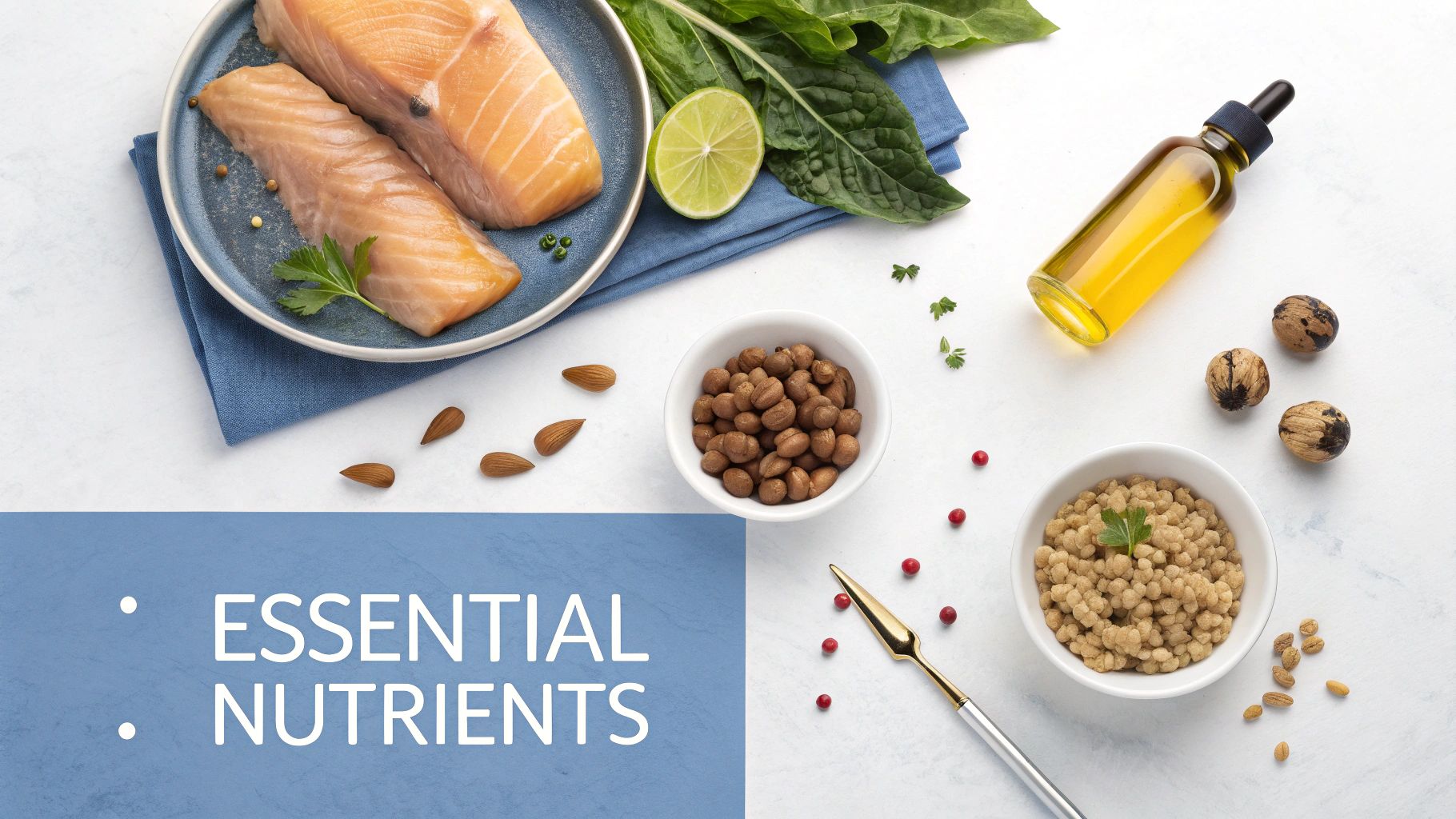
Choosing the right food for your senior cat isn't about fancy marketing—it's about reading the ingredient list on the back of the bag. For our feline friends in Queens Village and Hollis, understanding what's in the food is the first step to supporting their health as they age.
Think of it less like grocery shopping and more like building a personalized wellness plan, where every single ingredient has a job to do. It’s not just what they eat, but what their aging body can actually absorb and use.
High-Quality Protein for Muscle Maintenance
As cats get older, they often lose muscle mass—a condition called sarcopenia. This is what can make them seem weaker or less eager to jump up to their favorite napping spot. To fight back, their diet needs to be packed with high-quality, easily digestible animal protein.
Look for real, named meat sources like chicken, turkey, or fish as the first ingredients on the label. These provide the essential amino acids, like taurine, that are critical for keeping their heart strong and their vision sharp.
Omega Fatty Acids for Joints and Brain Health
If your cat seems a bit stiff after a nap or hesitant to jump, joint inflammation might be the culprit. Omega-3 and omega-6 fatty acids, usually from sources like fish oil, act like a natural lubricant for their joints, helping ease discomfort and improve mobility.
These healthy fats don't stop there; they also play a huge role in cognitive function, helping to keep your cat's mind sharp. A diet rich in omegas supports everything from a shiny coat to brain health.
A landmark 9-year longevity study showed that a specific nutrient blend—including antioxidants, essential fatty acids, and prebiotics—extended cats' lives by an average of one year. The cats eating this diet kept a better body weight and more lean muscle over time. You can discover more about this longevity research.
Antioxidants and Protective Nutrients
Aging causes cellular wear and tear from things called free radicals. Antioxidants, like Vitamin E and beta-carotene, act as a defense system to help neutralize that damage and support a healthy immune system.
Other ingredients provide targeted support for common senior issues:
- Controlled Phosphorus: This is incredibly important for kidney health. As a cat's kidneys age, they can become less efficient. Diets with managed phosphorus levels reduce the workload on these vital organs, protecting them long-term.
- Glucosamine and Chondroitin: Often found in sources like green-lipped mussels, these ingredients directly support cartilage and joint fluid, making movement more comfortable for cats with arthritis.
- Fiber and Prebiotics: A healthy gut is key to overall wellness. Ingredients like pumpkin or chicory root provide fiber that aids digestion, prevents constipation, and feeds the good bacteria in your cat's gut.
Making sure your cat's food includes these powerful ingredients is one of the most proactive things you can do for their health.
If you have questions about your cat’s specific nutritional needs, we are here to help.
Text us at 718-301-4030. If symptoms are severe or after hours, go directly to a 24/7 emergency hospital.
Choosing the Right Food: Commercial vs. Prescription

Walking down the pet food aisle in any Queens grocery store can be completely overwhelming. You're faced with a wall of bags and cans, each promising to be the best for your senior cat. How do you possibly choose?
It really boils down to two main categories: high-quality commercial foods you can buy over-the-counter and veterinary prescription diets.
For a senior cat in good health, a quality commercial diet is often a great choice. But when a cat develops a specific health condition, a prescription diet isn't just a food—it becomes a critical part of their medical treatment.
When a Prescription Diet Is Necessary
Think of it this way: a commercial senior diet is like a healthy, balanced meal for a person. A prescription diet is like a specialized meal plan from a doctor to manage a condition like kidney disease or diabetes. They are medical tools.
These diets are formulated with incredibly precise nutrient levels to manage specific diseases in a way that commercial foods simply can't. We'll recommend a prescription diet if your cat is diagnosed with a common senior health issue.
Here are a few situations where a prescription diet is absolutely critical:
- Chronic Kidney Disease (CKD): These diets have very specific levels of high-quality protein and low phosphorus to ease the workload on the kidneys.
- Diabetes Mellitus: Diabetic formulas are typically low in carbohydrates and high in protein to help keep blood sugar levels stable.
- Hyperthyroidism: Therapeutic diets for this condition often have restricted iodine to help manage the thyroid's hormone production.
- Urinary Tract Issues: Certain formulas can actually help dissolve bladder stones or prevent them from coming back by controlling urine pH.
Prescription diets are powerful tools in managing your cat’s health. They are formulated based on extensive scientific research to provide targeted nutritional support that can improve your cat's quality of life and even help manage the progression of their disease.
If you're wondering if your cat could benefit from a therapeutic food, we're here to help you figure that out. You can also learn more about the benefits of veterinary diets on our blog.
Deciding Between Wet and Dry Food
Another big decision is whether to feed your senior cat wet food, dry food (kibble), or a combination of both. Each has pros and cons, especially for an older cat.
Wet Food (Canned or Pouches):
- Pros: The biggest benefit is its high moisture content. This is vital for kidney and urinary tract health in seniors. It’s also usually more appealing to picky eaters or cats who have a weaker sense of smell.
- Cons: It can be more expensive and has to be refrigerated after opening.
Dry Food (Kibble):
- Pros: Kibble is convenient and often more budget-friendly. You can leave it out for cats who prefer to graze throughout the day.
- Cons: Its biggest drawback is the low moisture content, which can be a real problem for senior cats who are prone to dehydration or kidney trouble.
For most senior cats in Oakland Gardens and Bayside, we recommend a diet that includes at least some wet food. A mix-and-match approach often gives you the best of both worlds—hydration from the wet food and convenience from the dry.
How to Read a Cat Food Label
No matter what you choose, learning to read the label helps you see past the flashy marketing.
Here’s a quick checklist of what to look for:
- First Ingredient: You want to see a named animal protein, like "deboned chicken" or "salmon," not a vague term like "meat by-products."
- AAFCO Statement: Look for the nutritional adequacy statement from the Association of American Feed Control Officials (AAFCO). This confirms the food is "complete and balanced."
- Life Stage: Make sure the food is specifically labeled for "senior" or "mature" cats. This ensures the nutrient profile is right for their age.
Ultimately, choosing between commercial and prescription foods is a conversation we should have together. As your veterinarian, we have the full picture of your cat’s health and can guide you to the absolute best choice.
Text us at 718-301-4030. If symptoms are severe or after hours, go directly to a 24/7 emergency hospital.
Using Diet to Manage Common Senior Health Issues
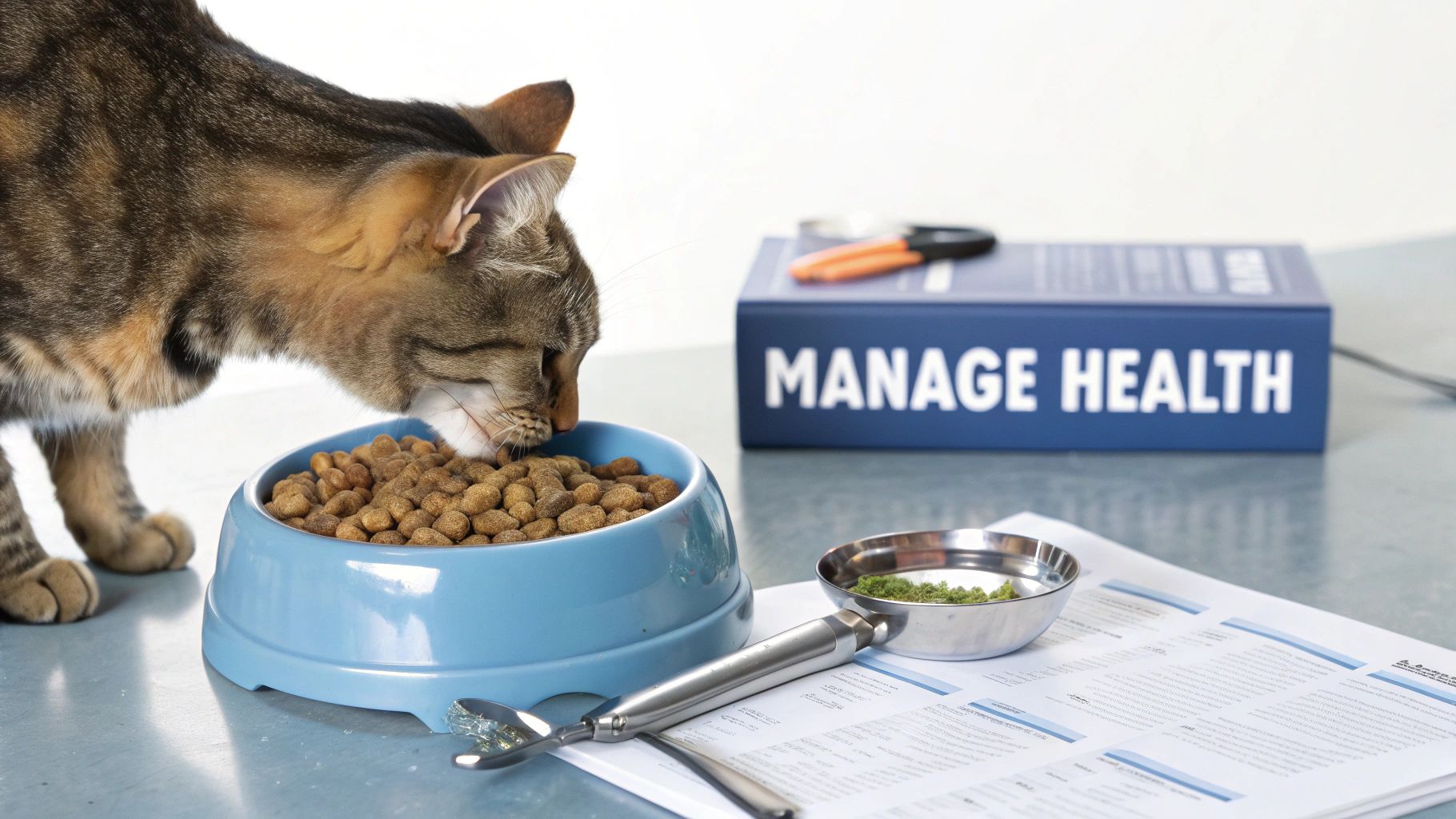
As our cats get older, the risk for certain health conditions goes up. But here’s the good news for cat owners in Queens Village and Hollis: nutrition is one of the most powerful tools you have. A carefully chosen diet works right alongside veterinary care to keep your cat comfortable and improve their quality of life.
Think of food as daily medicine. For a cat with kidney trouble, the right diet can ease the organ's workload. For a diabetic cat, it helps keep blood sugar from swinging wildly. The whole game is about getting a proper diagnosis from your vet and then picking a food that gives your cat targeted support where they need it most.
Chronic Kidney Disease (CKD)
Chronic kidney disease is, without a doubt, one of the most common issues we see in older cats. When their kidneys become less efficient, they can't filter waste from the blood as well as they used to. This is where diet becomes absolutely critical—it's all about reducing the strain on those vital organs.
The main goal of a renal diet is to slow down the disease. These are almost always prescription foods because they're precisely formulated to help.
- Controlled Phosphorus: High phosphorus levels are rough on failing kidneys and can speed up the damage. Renal diets keep this mineral strictly in check.
- Reduced, High-Quality Protein: Protein breakdown creates waste that the kidneys have to filter. These diets use smaller amounts of very digestible protein to minimize that waste without letting your cat lose muscle.
- Increased Omega-3 Fatty Acids: These have natural anti-inflammatory properties that can help protect the remaining kidney tissue.
Symptoms to Watch For:
- Urgent (Book an Appointment): You notice them drinking or peeing a lot more, they're slowly losing weight, not as interested in food, or their coat just looks dull.
- Emergency (Go to a 24/7 Hospital): They're suddenly very tired, start vomiting, or refuse to eat at all.
Feline Arthritis
Just like people, cats get stiff, painful joints as they age. You might notice them thinking twice before hopping onto the couch in your Bayside home. While we can't turn back the clock, we can use diet to help manage the inflammation and discomfort.
A therapeutic joint diet works by reducing inflammation and giving cartilage the building blocks it needs.
- Glucosamine and Chondroitin Sulfate: These are compounds that help support and rebuild cartilage.
- Omega-3 Fatty Acids (EPA & DHA): Found in fish oil, these are powerful anti-inflammatories that help soothe sore joints.
- Weight Management: Keeping your cat lean is a huge part of managing arthritis. Every extra ounce puts more strain on their joints, making the pain worse.
Symptoms to Watch For:
- Urgent (Book an Appointment): They don't want to jump anymore, struggle with stairs, seem stiff after napping, or they've stopped grooming their lower back area.
- Emergency (Go to a 24/7 Hospital): They suddenly can't use a leg or cry out in pain when you touch them.
A targeted diet isn't a cure, but it's a foundational part of managing chronic conditions. By easing the burden on your cat's body, the right food can significantly improve their daily comfort and slow disease progression.
Feline Diabetes
Diabetes is another condition where diet is a non-negotiable part of the treatment plan. Our goal is to stabilize blood sugar levels—and in some lucky cases, we can even get cats into diabetic remission with diet and insulin therapy.
The best diet for a senior diabetic cat is almost always very low in carbohydrates and high in protein. This style of eating is much closer to what a cat would naturally eat, and it helps prevent the dangerous blood sugar spikes that carbs cause. For a deeper dive, check out our guide on the best diet for diabetic cats.
Symptoms to Watch For:
- Urgent (Book an Appointment): They're suddenly drinking and urinating constantly and seem ravenously hungry but are still losing weight.
- Emergency (Go to a 24/7 Hospital): Extreme lethargy, weakness, vomiting, or walking with their back ankles (hocks) flat on the floor, which is a sign of nerve damage.
The table below summarizes how a tailored diet can make a real difference for a senior cat facing these common health challenges.
Dietary Management for Senior Cat Health Conditions
| Health Condition | Key Symptoms to Watch For | Primary Dietary Goal | Example of Dietary Change |
|---|---|---|---|
| Chronic Kidney Disease (CKD) | Increased thirst/urination, weight loss, poor appetite | Reduce kidney workload, slow disease progression | Switch to a prescription renal diet with controlled phosphorus and reduced, high-quality protein. |
| Arthritis | Reluctance to jump, stiffness, less grooming | Reduce joint inflammation, support cartilage health | Introduce a therapeutic diet rich in Omega-3 fatty acids, glucosamine, and chondroitin. |
| Diabetes | Increased thirst/urination, ravenous hunger with weight loss | Stabilize blood sugar, prevent glucose spikes | Transition to a high-protein, low-carbohydrate canned food to mimic a natural carnivorous diet. |
Remember, these dietary shifts are most effective when guided by a veterinarian after a proper diagnosis.
Before You Arrive for an Appointment:
If you suspect your cat has any of these conditions, please do not change their food or give any new medications on your own. Just observe them, take notes on the changes you see, and be ready to share those details with us.
If you notice any of these symptoms or have concerns about your senior cat's health, please reach out. Text us at 718-301-4030. If symptoms are severe or after hours, go directly to a 24/7 emergency hospital.
Practical Feeding Tips for Your Senior Cat
Figuring out what to feed your senior cat is a great first step, but knowing how to feed them is just as critical for their health and happiness. For cat owners here in Oakland Gardens and Fresh Meadows, a few simple tweaks to their routine can make a huge difference. These adjustments support digestion, encourage a healthy appetite, and help you keep a close eye on their well-being.
One of the best changes you can make is moving from one or two big meals to several smaller ones throughout the day. An older cat's digestive system isn't as efficient as it used to be, and large meals can be tough to process. Smaller, more frequent portions are much gentler on their gut and actually mimic how cats naturally prefer to eat.
The Power of Multiple Small Meals
When you look at feline eating habits, it becomes clear that senior cats often do better with a "grazing" approach. In fact, studies show that when older cats are given free access to food, they naturally eat six to seven small meals a day. Interestingly, that same research found that cats on a wet-food-only diet sometimes didn't eat enough calories, which underscores how important it is to monitor their intake. You can read more about these senior cat feeding patterns to see the data for yourself.
Think of your senior cat's daily food as a series of small snacks instead of a couple of big feasts. This keeps their energy stable and helps them absorb more nutrients without feeling uncomfortably full.
Making Food More Appealing
Has your once-enthusiastic eater started turning up their nose at mealtime? It’s common for senior cats to lose some of their sense of smell and taste. Luckily, a few tricks can make their food irresistible again.
- Warm it up slightly: A few seconds in the microwave (stir it well to get rid of any hot spots!) can bring out the food's aroma, making it far more tempting.
- Add a tasty topper: A little bit of low-sodium chicken broth (no onion or garlic), the water from a can of tuna, or a commercial food topper can coax even a picky eater to the bowl.
- Experiment with textures: Some older cats with dental pain prefer a smooth pâté. Others might go for shreds in gravy. Don't be afraid to try a few different kinds to see what works.
How to Transition to a New Food
Switching your cat's food too fast is a surefire way to cause an upset stomach. To avoid any digestive drama, you have to transition them slowly over at least a week. This gives their system time to adapt.
Here’s a simple schedule to follow:
- Days 1-2: Mix 75% old food with 25% new food.
- Days 3-4: Go for a 50/50 mix.
- Days 5-6: Switch to 25% old food and 75% new food.
- Day 7 and on: You should be safe to feed 100% new food.
Monitoring and Mental Stimulation
Keeping a close watch on how much your cat eats and drinks every day is non-negotiable. A sudden drop in appetite or thirst is often one of the very first red flags of a health issue. Just make a mental note each day so you'll notice if something changes.
Mealtimes can also be a chance for a little fun, especially for less active seniors. Instead of just plopping food in a bowl, try using a puzzle feeder. These toys make your cat work a bit for their kibble, providing some gentle mental exercise that helps keep their mind sharp.
If you have questions about your senior cat’s diet or feeding routine, we can help. Text us at 718-301-4030. If symptoms are severe or after hours, go directly to a 24/7 emergency hospital.
When to Partner with Your Veterinarian
While a guide like this is a great place to start, your senior cat’s health is a story unique to them. Nothing replaces the hands-on care and advice from a veterinarian who knows your cat’s history inside and out. For pet owners in Oakland Gardens, Bayside, and the surrounding Queens neighborhoods, we're here to be your partners in that story.
Through physical exams and lab work, we can build a nutrition plan that a generic guide just can't. We spot the early signs of age-related conditions—sometimes before you even notice a change at home—and can recommend dietary adjustments to get ahead of serious problems.
Signs That Need a Vet Visit
It can be tough to tell the difference between a minor "off" day and a sign that something more serious is going on. Here’s a quick breakdown of what to watch for.
Urgent (Book an Appointment Soon)
These signs suggest something is brewing and needs to be looked at by a professional.
- Unexplained Weight Loss or Gain: If the number on the scale is changing without a clear reason, it often points to an underlying issue.
- Changes in Litter Box Habits: This could be urinating more often, straining to go, or suddenly having accidents outside the box.
- Mild Lethargy or Reduced Activity: Is your normally curious cat suddenly hiding or sleeping all day? That's a cue to call us.
Emergency (Go to a 24/7 Hospital)
These symptoms are serious and require immediate medical attention, day or night.
- Refusing Food for More Than a Day: For a cat, going without food this long is dangerous and can quickly lead to life-threatening liver problems.
- Difficulty Breathing: Any panting, wheezing, or labored breaths is a true emergency.
- Sudden Inability to Walk or Stand: This could signal a serious neurological or cardiovascular event. You can learn more about related conditions and what to watch for in our article on feline heart disease.
What to Do Before Arriving
If you have an appointment booked, try not to change your cat’s diet or give any new medications beforehand. Your observations are key, so just keep a close eye on their behavior and be ready to share the details with us.
If you notice any of these signs, don’t wait. Text us at 718-301-4030. If symptoms are severe or after hours, go directly to a 24/7 emergency hospital.
Frequently Asked Questions About Feeding a Senior Cat
As veterinarians serving Oakland Gardens, Bayside, Fresh Meadows, and surrounding Queens neighborhoods, we hear these questions often. Here are some clear, calm answers to help you navigate your senior cat’s dietary needs.
When Is It Time to Switch to a Senior Cat Food?
There’s no magic number, but 7-8 years old is when we start paying closer attention. The real answer depends on your individual cat. Instead of focusing on their birthday, look for subtle signs of aging—perhaps they are a little less active, or their coat isn't as shiny. The best time to make a decision is during their annual wellness exam, where we can evaluate their body condition and decide together.
My Senior Cat Is Losing Weight but Seems Fine. What’s Going On?
Unexplained weight loss is always a red flag that needs a veterinarian's attention. It could be due to age-related muscle loss (sarcopenia), or their digestive system might not be absorbing nutrients as efficiently. While a higher-calorie, easily digestible food can help, we must first rule out common underlying health issues like dental pain, kidney disease, or hyperthyroidism. A thorough check-up is the only way to know for sure what's causing the weight loss before changing their diet.
Is Grain-Free a Better Choice for Older Cats?
Not necessarily. A true grain allergy in cats is very rare. For a senior cat, the most important factor is getting enough high-quality, digestible protein to maintain muscle mass. For most seniors, a well-formulated food that includes grains is perfectly healthy and provides beneficial fiber and other nutrients for their aging bodies.
Can I Give My Senior Cat Supplements Like Fish Oil?
It's best to talk to us first. While supplements for joints or skin can be beneficial, it's easy to get the dosage wrong. Giving too much can disrupt their balanced diet or even interfere with medications. Please do not give human medications or supplements unless explicitly stated as “only if your veterinarian advises.”
At Union Vet NY, we're here to help you make your cat's golden years their best years.
Text us at 718-301-4030. If symptoms are severe or after hours, go directly to a 24/7 emergency hospital.
