

A Pet Owner’s Guide to the Best Diet for Diabetic Cats in Queens, NY
Hearing that your cat has diabetes can feel overwhelming, but managing their health often starts with something you control: their food bowl. For a diabetic cat, the best diet is almost always a low-carbohydrate, high-protein wet food. This approach is recommended by veterinarians because it closely mimics a cat's natural diet as a carnivore, which is a huge help in stabilizing their blood sugar.
This guide is for pet owners in Queens neighborhoods like Oakland Gardens, Bayside, and Fresh Meadows. We'll walk you through the practical steps of using diet to manage your cat's health with calm, clear advice.
The First Step: Changing Your Cat's Diet
For families in Queens, the most impactful first step is changing what you feed your cat. The goal is simple: get them onto a diet that is very low in carbohydrates and high in protein, served in a wet or canned form.
This all comes down to their biology. Cats are obligate carnivores, a term that means their bodies are designed to get energy from meat, not plants. This simple fact is the key to managing their diabetes effectively.
Why Carbs Are the Problem
Most dry kibble, while convenient, is loaded with carbohydrates and starches needed to form its crunchy shape. For a diabetic cat, this is a problem. High-carb meals cause sharp spikes in blood sugar, similar to a person with diabetes eating a sugary dessert. These fluctuations make it very difficult to regulate their glucose levels, even with insulin.
By switching to a low-carb diet, you remove a major source of dietary sugar. This helps create a much more stable internal environment, making insulin therapy more effective and predictable.
A well-managed diet is the foundation of feline diabetes care. It does more than control blood sugar—it can often reduce the amount of insulin your cat needs and, in some cases, even lead to diabetic remission.
The Power of Protein and Moisture
A high-protein, wet food diet provides two key benefits that dry food cannot match.
First, the high-quality animal protein gives them the fuel needed to maintain lean muscle mass, which is critical for a healthy metabolism. Second, the high moisture content in wet food helps keep your cat hydrated and supports kidney function—an important consideration for cats with chronic health conditions.
For our clients in Fresh Meadows, Glen Oaks, and surrounding areas, our team at Union Vet NY is here to help you choose the right food to get your cat started on the right path.
Text us at 718-301-4030. If symptoms are severe or after hours, go directly to a 24/7 emergency hospital.
Understanding Feline Diabetes in Your Cat
For cat owners in Queens, a feline diabetes diagnosis is more manageable than you might think. Most cats develop a condition similar to Type 2 diabetes in humans, which often responds very well to diet and insulin therapy.
As "obligate carnivores," cats' bodies are designed to run on high-protein, low-carbohydrate meals—exactly what wet food provides. Understanding how food impacts your cat’s blood sugar is the single most important part of managing their health.
Recognizing the Symptoms of Feline Diabetes
The signs of feline diabetes can be subtle at first. As a pet owner in neighborhoods like Bayside or Hollis, your observation is the first line of defense. Early symptoms often involve changes in your cat's eating, drinking, and litter box habits. These occur because their body can't use sugar (glucose) for energy, causing it to build up in the blood. The body then tries to flush this excess sugar out through urine.
Here are the common symptoms to watch for:
- Excessive Thirst (Polydipsia): You're refilling the water bowl much more often than usual.
- Increased Urination (Polyuria): The litter box is frequently soaked, clumps are larger, or your cat has accidents outside the box.
- Increased Appetite (Polyphagia): Your cat seems ravenous and eats a lot.
- Weight Loss: Despite eating more, your cat is losing weight.
- Lethargy or Weakness: They are less playful, sleeping more, or show weakness in their hind legs (a wobbly or flat-footed walk).
When It's Urgent vs. an Emergency
Knowing when to schedule an appointment versus heading to a 24/7 emergency hospital is crucial for your cat's safety.
When to Contact Us (Urgent, Not an Emergency):
If you notice the classic signs—more drinking, more urinating, increased appetite with weight loss—it’s time to schedule a check-up. These symptoms require prompt veterinary attention to get a diagnosis and start a treatment plan.
When to Go to an Emergency Hospital (Life-Threatening):
Some symptoms indicate a dangerous complication like Diabetic Ketoacidosis (DKA) or severe low blood sugar (hypoglycemia). These are true emergencies. Go to a 24/7 emergency hospital immediately if you see:
- Vomiting and complete loss of appetite
- Extreme lethargy or collapse
- Seizures or severe tremors
- Difficulty breathing
- A strange, sweet smell on their breath (like nail polish remover)
What to Do Before Arriving
If you are heading to an emergency hospital:
- Call Ahead: Let the hospital know you are on your way and describe your cat's symptoms.
- Transport Safely: Place your cat in a secure carrier. Keep the car calm and quiet.
- Bring Information: If possible, bring your cat’s medical records, a list of medications, and the insulin you use.
- Do Not Give Insulin: If your cat is showing emergency signs, do not administer any more insulin.
Text us at 718-301-4030. If symptoms are severe or after hours, go directly to a 24/7 emergency hospital.
Why Dry Food Is a Problem for Diabetic Cats
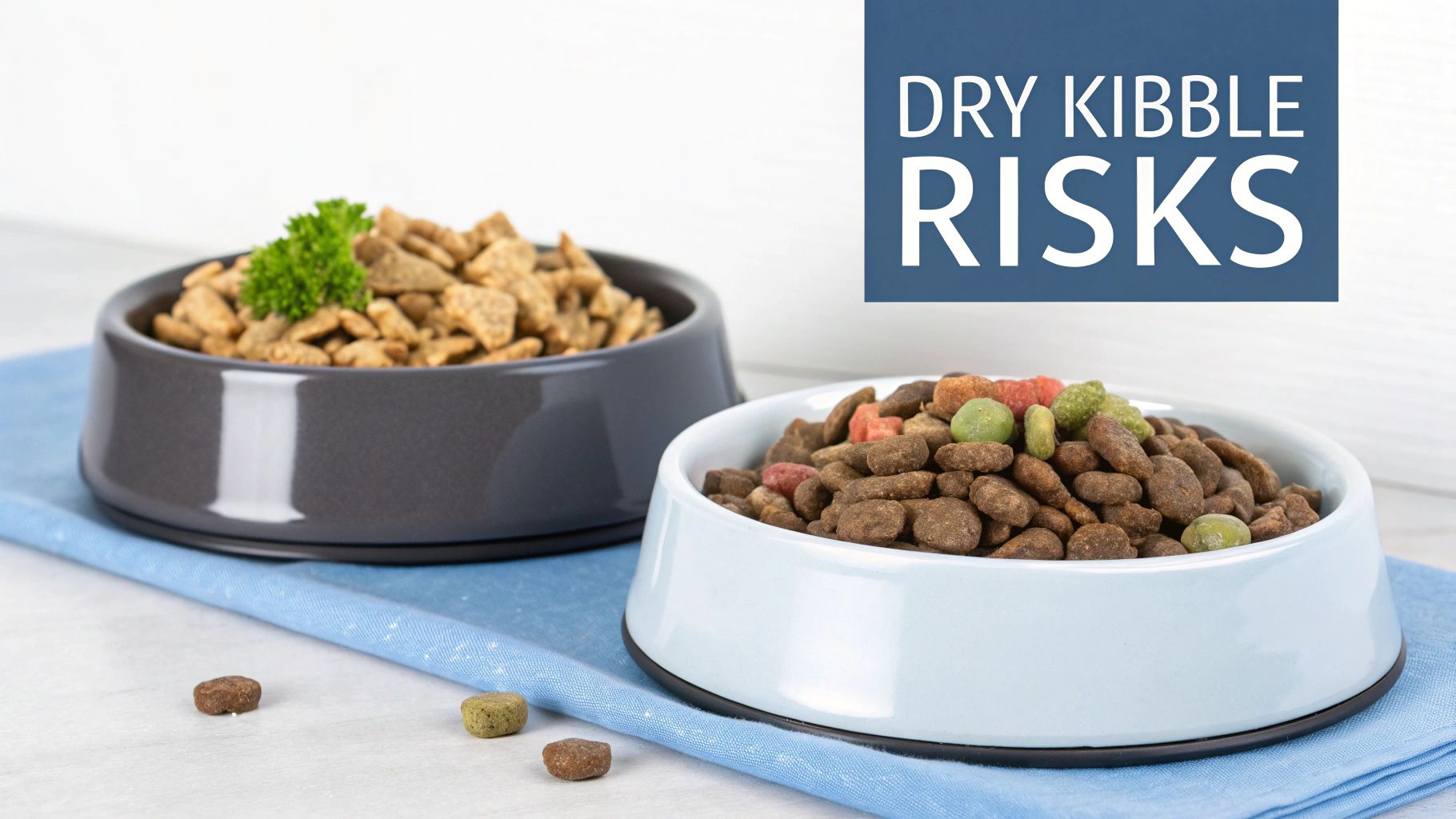
Many loving cat owners in Queens are surprised to learn that the convenient dry kibble they've used for years may be contributing to their cat's health issues. If your cat was just diagnosed, it's normal to re-evaluate their food. This isn't about blame; it's about making better choices moving forward.
For decades, dry food has been popular in households from Bayside to Oakland Gardens. It's easy and cats often love it. But the process used to create kibble makes it a poor choice for a diabetic cat.
The Carb Overload in Kibble
Cats are obligate carnivores, meaning their bodies are built to run on protein and fat, not carbs. To make dry kibble, manufacturers must use a significant amount of starch (carbohydrates) to bind the ingredients together.
This results in a food that is often 30-40% carbohydrates or more. For a diabetic cat, eating kibble causes large blood sugar spikes after every meal, making it incredibly difficult to manage their condition, even with insulin.
A groundbreaking study from the Swedish University of Agricultural Sciences confirmed what many vets have suspected for years: even normal-weight cats fed mostly dry food had a much higher risk of developing type 2 diabetes than cats eating wet food. You can explore the study's findings on this link.
The Hidden Risk of Dehydration
Another major issue with dry food is its lack of moisture. Cats evolved from desert animals and naturally get most of their water from their prey. They have a low thirst drive and often won't drink enough water to compensate for a dry-only diet.
This can lead to chronic dehydration, which puts a strain on their kidneys. A diabetic cat’s body is already working hard, so proper hydration is essential. Wet food, with its 70-80% moisture content, provides this hydration automatically with every meal.
How to Gently Transition Your Cat Off Kibble
Switching a "kibble addict" to wet food requires patience. Rushing the process can lead to an upset stomach or a food strike.
Here is a practical, step-by-step approach:
- Introduce Separately: Place a small amount of the new wet food in a separate bowl next to their usual kibble. Let them investigate it without pressure.
- Mix Slowly: Once they are curious, mix a tiny bit of wet food (about half a teaspoon) into their dry food. Slowly increase the wet food while decreasing the dry over several days or weeks.
- Make It Appealing: If they hesitate, try warming the wet food for a few seconds to enhance its aroma. You can also sprinkle a treat they love, like bonito flakes, on top.
- Be Patient: This process can take time. Some cats switch in a week; others may take a month. If they refuse to eat, go back to the previous ratio they accepted and try again the next day.
Text us at 718-301-4030. If symptoms are severe or after hours, go directly to a 24/7 emergency hospital.
Choosing the Right Food: Prescription vs. Over-the-Counter Diets
When you're in the pet food aisle in Fresh Meadows or Little Neck, the options can be confusing. Labels like "grain-free" and "low-carb" compete for your attention. But for a diabetic cat, managing their condition is about medical precision, not marketing buzzwords.
Why Prescription Diets are the Gold Standard
At Union Vet NY, our primary recommendation for a diabetic cat is a therapeutic veterinary diet, such as Hill’s Prescription Diet m/d or Royal Canin Glycobalance. These are not just cat foods; they are medical tools designed specifically to help manage blood sugar.
These formulas offer critical guarantees:
- Consistency: Every batch is manufactured to the exact same nutritional specifications. This consistency is vital for predictable blood sugar control.
- Low Carbohydrates: They are designed to be extremely low in carbs to prevent blood sugar spikes after meals.
- High-Quality Protein: They contain easily digestible protein to help your cat maintain lean muscle, which is important for a healthy metabolism.
This precision provides a stable foundation for us to determine the correct insulin dose and keep your cat healthy.
The Gamble with Over-the-Counter Foods
Many caring pet owners in Queens reach for "grain-free" over-the-counter (OTC) foods, believing they are a good choice. While often better than high-carb dry kibble, these foods carry risks for a cat with a medical condition.
First, "grain-free" does not mean "low-carb." Grains are often replaced with other high-carb fillers like potatoes or peas, which can still cause blood sugar spikes.
Second, the nutritional content can vary from batch to batch, making stable glucose control very difficult.
Choosing an OTC diet for a diabetic cat is like trying to bake a complex cake without a recipe. You might have some of the right ingredients, but without precise measurements, the result is unpredictable.
Here is a quick comparison to help you understand the differences:
Prescription Diabetic Diets vs Over-the-Counter Foods
| Feature | Veterinary Prescription Diets | Over-the-Counter (OTC) 'Low-Carb' Foods |
|---|---|---|
| Carbohydrate Control | Formulated to be <10-12% of calories from carbs. Guaranteed analysis. | Carb content often not listed or can be misleading. "Grain-free" doesn't mean low-carb. |
| Nutrient Consistency | Extremely high. Every batch is manufactured to the same precise formula. | Can vary between batches, leading to unpredictable blood sugar responses. |
| Protein Source | High-quality, highly digestible animal protein to support lean muscle mass. | Quality can vary. May use more plant-based proteins. |
| Scientific Backing | Developed based on extensive clinical research for managing feline diabetes. | Formulated for the average healthy adult cat, not a specific medical condition. |
| Veterinary Oversight | Recommended and monitored by your veterinarian as part of a total treatment plan. | Purchased without a medical professional's input or guidance. |
While some OTC canned foods can work, they introduce more risk and require more effort. The safest and most effective approach is to use a diet specifically designed to manage diabetes. You can learn more about these formulas in our articles on specialized veterinary diets.
Text us at 718-301-4030. If symptoms are severe or after hours, go directly to a 24/7 emergency hospital.
Your Daily Feeding Strategy for a Diabetic Cat
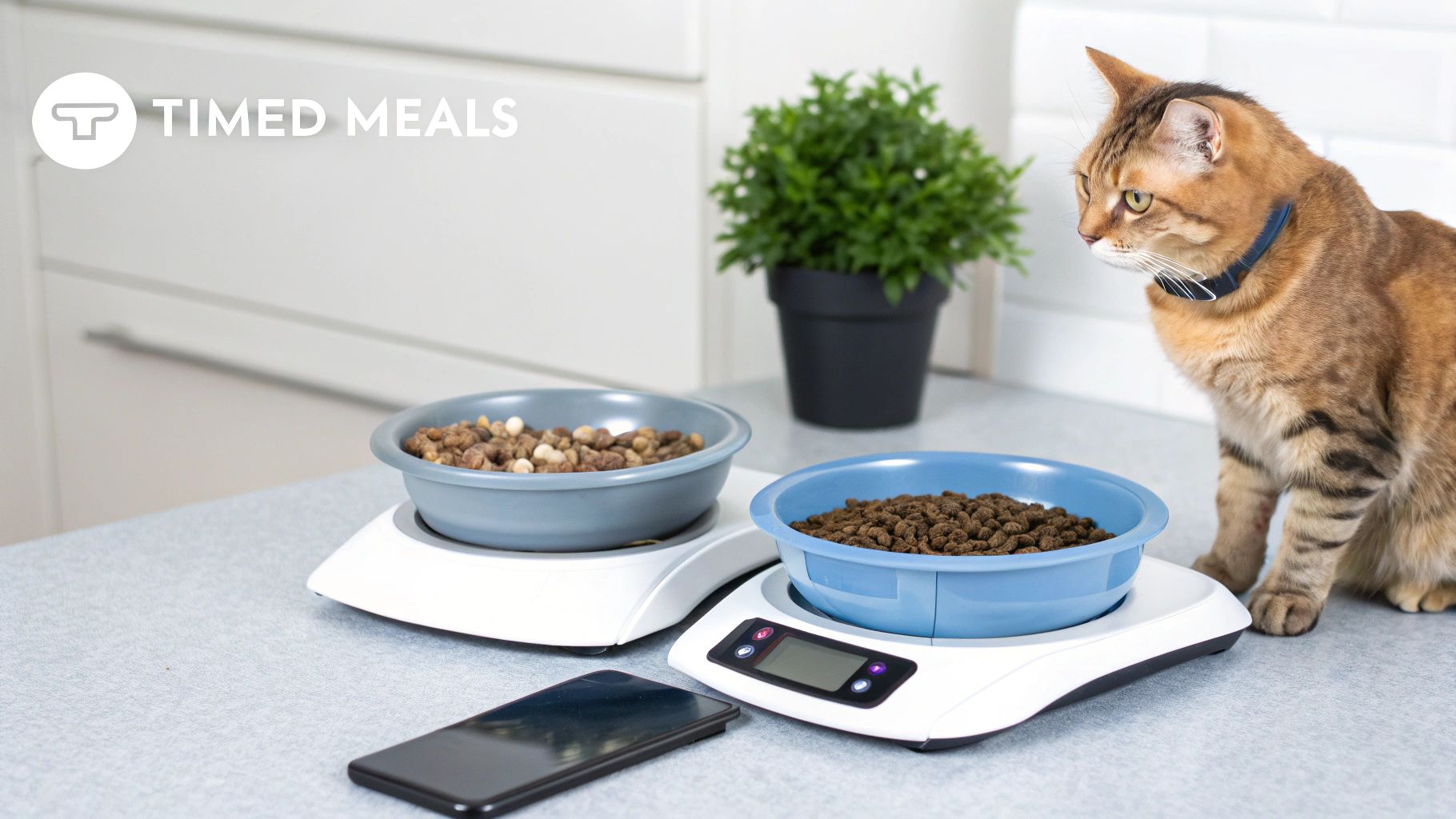
Choosing the right food is the first step, but how and when you feed your diabetic cat are just as important. For pet owners in Hollis and Queens Village, a consistent daily routine is your best tool for keeping your cat's blood sugar stable.
Food and insulin work together. A strict schedule prevents dangerous spikes and dips in blood glucose. Leaving food out all day ("free-feeding") makes this impossible and leads to unpredictable glucose levels. The goal is a simple, structured routine: two measured meals a day, served about 12 hours apart.
Establishing the Perfect Mealtime Routine
Switching a cat from grazing to set mealtimes requires patience. The most important rule is to time each meal with your cat's insulin injection, exactly as your veterinarian instructed.
Here is a practical guide:
- Set Meal Times: Choose two times, 12 hours apart, that you can maintain every day (e.g., 7 AM and 7 PM).
- Measure Food Precisely: Use a kitchen scale to weigh the exact portion your vet recommended. This ensures your cat gets the same number of calories at every meal.
- Serve and Supervise: Put the food down and confirm your cat eats. Most cats receive their insulin shot during or immediately after their meal.
- Give Insulin: After confirming your cat has eaten, administer their prescribed insulin dose. Never give insulin to a cat that has not eaten, as this can cause a dangerous drop in blood sugar (hypoglycemia).
If your cat is used to nibbling all day, you can ease them into the new schedule by offering their measured food for just 30 minutes at a time, then removing any leftovers. They will quickly learn that food is only available at specific times.
Navigating Treats and Picky Eaters
Most commercial cat treats are full of carbs and should be avoided. However, this doesn't mean treats are completely off-limits.
The safest treats are pure protein with zero carbs. Think small pieces of freeze-dried chicken, salmon, or minnows. They're a high-value reward that won't interfere with their diabetes management.
If you have a picky eater, don't give up. Try warming their wet food for a few seconds to bring out the aroma or add a splash of low-sodium chicken broth (with no onions or garlic). If your cat still refuses to eat, contact us for guidance on how to safely adjust their insulin. Do not recommend human medications unless explicitly stated as “only if your veterinarian advises.”
Text us at 718-301-4030. If symptoms are severe or after hours, go directly to a 24/7 emergency hospital.
How We Monitor and Adjust Your Cat's Diet
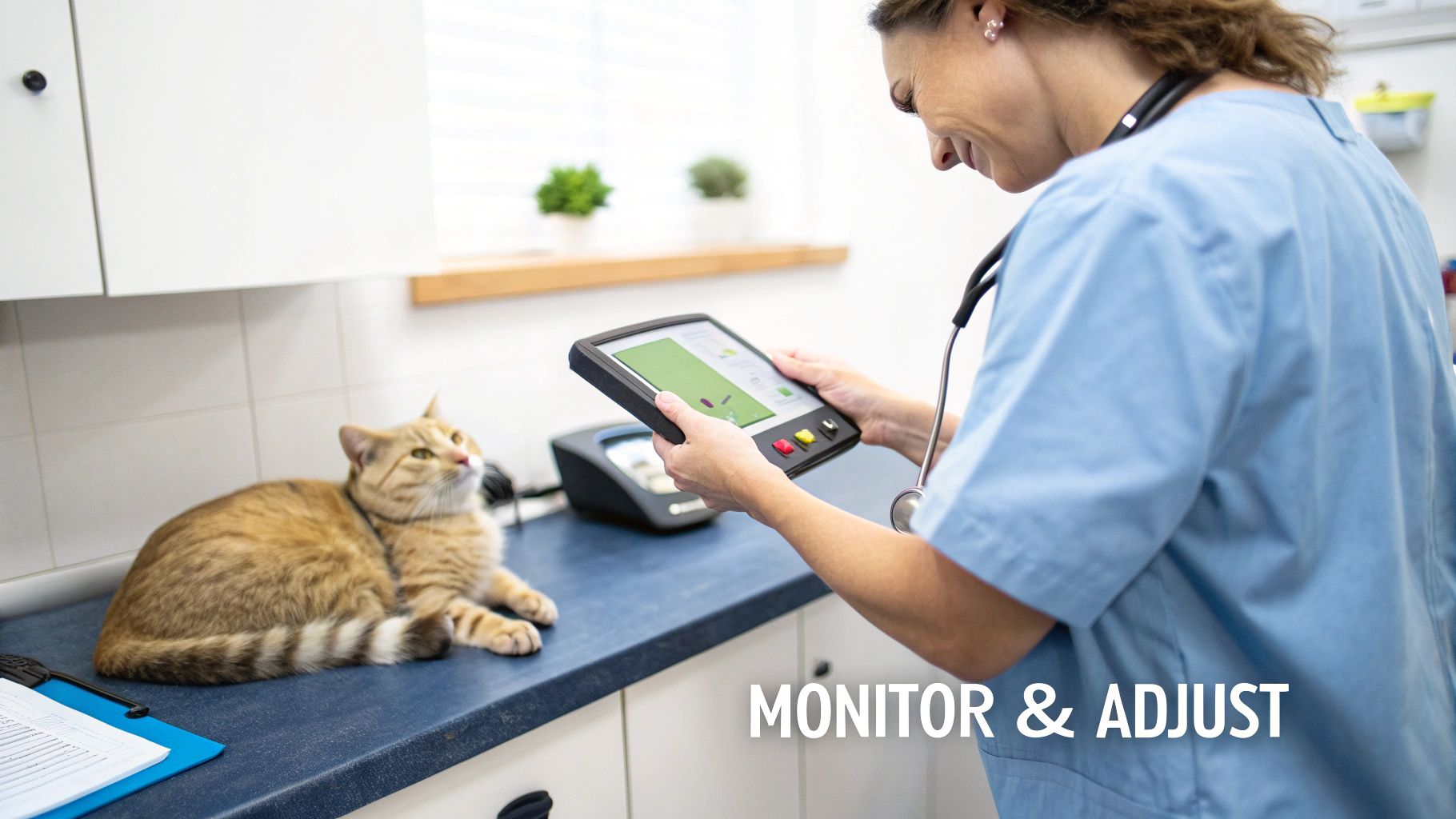
Getting your cat on the right diabetic-friendly food is a huge first step. But managing diabetes is a long-term partnership between you and our team at Union Vet NY, and the real work happens through consistent monitoring. We are constantly gathering clues to see how your cat’s body is responding to their food and insulin, and we must be ready to make adjustments.
How We Track Your Cat’s Progress
For our clients in Oakland Gardens and the surrounding Queens neighborhoods, we use a few key tools to get a clear picture of how well the treatment plan is working.
Our most reliable tools are:
- Blood Glucose Curves: This test tracks your cat's blood sugar over a single day. By taking small blood samples every few hours, we can see how their glucose levels respond to meals and insulin. This helps us confirm the insulin dose is working effectively.
- Fructosamine Tests: This test reveals the average blood sugar level over the past two to three weeks. It gives us a long-term view that isn't affected by a single stressful event, like a car ride to the vet.
We use our on-site lab to get these results quickly, allowing us to make precise, informed changes to their care plan.
The Critical Role of Weight Management
Your cat’s weight is one of the most important factors we manage. An overweight cat is more resistant to insulin. Helping your cat achieve a lean, healthy weight can make a massive difference and may even reduce the amount of insulin they need. We will calculate the exact calories your cat needs and track their progress with regular weigh-ins.
Your observations at home are just as important as our tests in the clinic. You are the one who sees subtle changes in their thirst, appetite, urination, and energy levels. These clues are vital. You are the most important member of your cat's care team.
Knowing what’s normal for your cat is key. For more detail on which signs mean you need to act fast, check out our guide on when to take your cat to an emergency vet.
Text us at 718-301-4030. If symptoms are severe or after hours, go directly to a 24/7 emergency hospital.
Frequently Asked Questions About Your Cat's Diabetic Diet
Here are answers to common questions from cat owners in Queens to help you feel more confident about your cat's new food plan.
Can my diabetic cat ever eat dry food again?
It's best to avoid dry food entirely. A low-carb, high-protein wet food is the gold standard for keeping a diabetic cat's blood sugar stable. Most dry kibble is high in carbohydrates, which can cause dangerous glucose spikes. Sticking with wet food is safer and more effective for managing their diabetes and keeping them hydrated.
Can I stop insulin if my cat's diet is perfect?
No. A proper diet is a critical partner to insulin, but you should never stop or change your cat’s insulin dose on your own. This decision must be made by your veterinarian based on careful monitoring. While the right diet can sometimes reduce the need for insulin or even lead to diabetic remission, this is a process that your vet must manage safely.
What are safe treats for a diabetic cat?
Most commercial treats are full of carbs and should be avoided. The best treats are simple, protein-based, and given in very small amounts. Safe options include:
- Small pieces of freeze-dried chicken, salmon, or minnows
- A tiny shred of plain, cooked chicken (with no seasoning)
- Carnivore-friendly treats specifically made with zero carbohydrates
Treats should remain an occasional reward to avoid disrupting their daily calorie intake and blood sugar levels.
What if I can't afford a prescription diet?
We understand that finances are a concern for many families in Queens. If a prescription diet isn't feasible, please talk to us. While prescription foods are the safest option, we can help you evaluate over-the-counter wet foods to find the best possible alternative. It requires more careful label reading and monitoring, but we can guide you through the process to ensure your cat gets the low-carb nutrition they need.
At Union Vet NY, we're here to be your partner in this. We’ll help you create a personalized dietary plan that lets your cat not just live with diabetes, but truly thrive.
Text us at 718-301-4030. If symptoms are severe or after hours, go directly to a 24/7 emergency hospital.
