

When to Worry About Your Dog’s Dental Health: A Guide for Queens Pet Owners
As a pet owner in Queens—whether you're in Oakland Gardens, Bayside, Fresh Meadows, or Little Neck—your dog's health is a top priority. Dental problems are common, but it can be hard to know when a little "doggy breath" is a sign of something more serious.
This guide provides clear, calm information to help you understand your dog's dental symptoms, know when to seek care, and what to do.
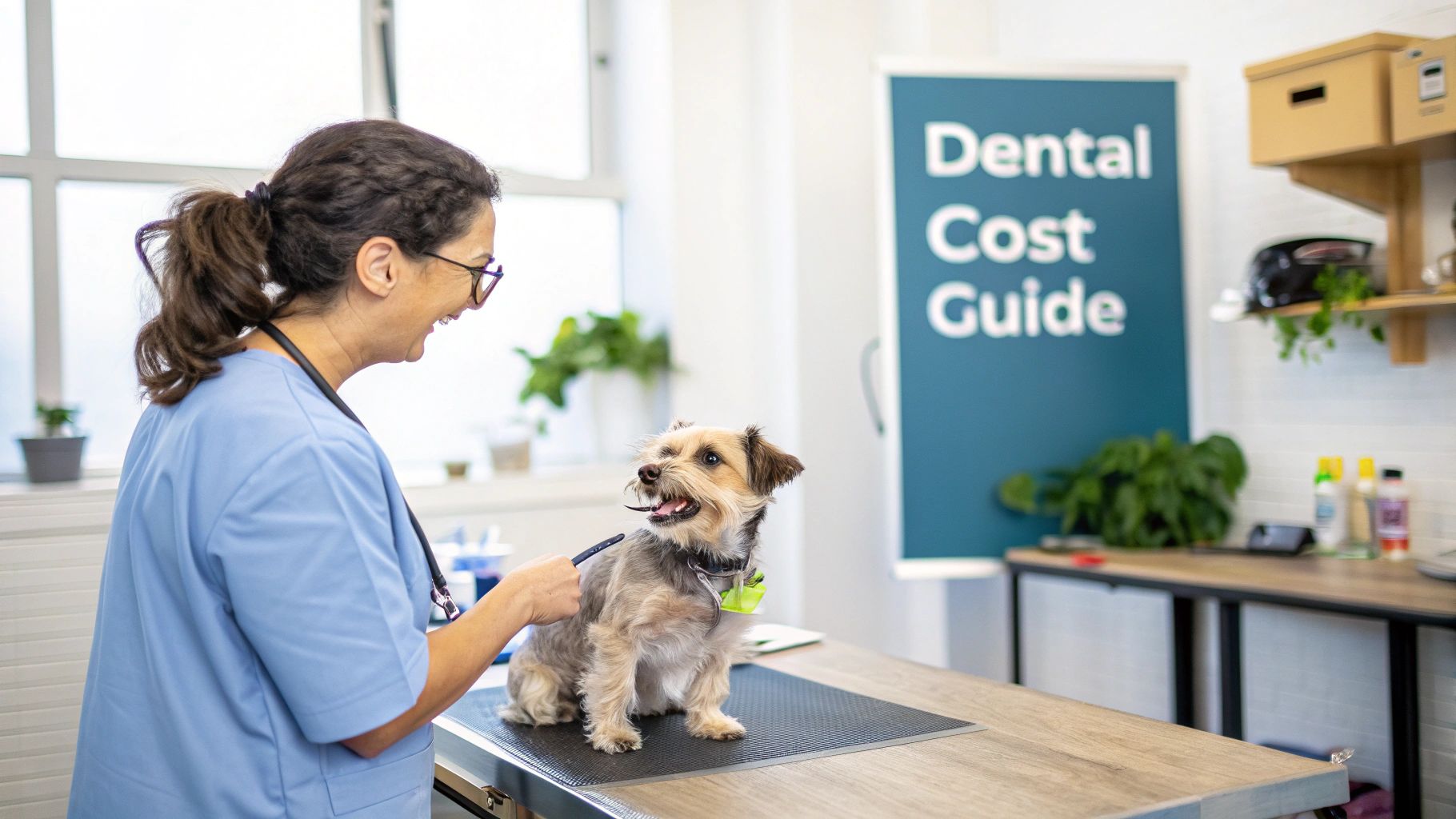
Recognizing the Signs of Dental Distress
Dogs are masters at hiding pain. It's up to us to watch for the subtle clues that something is wrong in their mouth.
Common symptoms of dental problems include:
- Persistent bad breath: This is often the first and most common sign of an underlying issue.
- Difficulty chewing or dropping food: You might notice your dog chewing on one side or being hesitant to eat hard kibble.
- Pawing at the face: They may rub their mouth on furniture or the floor.
- Visible tartar: Look for yellow or brown buildup on the teeth, especially the back molars.
- Red, swollen, or bleeding gums: Healthy gums are pink, not red or inflamed.
- Behavioral changes: A dog in dental pain might be more irritable, less playful, or lose interest in chew toys.
If you notice any of these signs, it’s a good idea to schedule a veterinary check-up.
Urgent Care vs. Emergency: Knowing the Difference
Understanding when to schedule an appointment versus seeking immediate help is crucial for pet owners in Glen Oaks, Hollis, and Queens Village.
When It's Urgent (Schedule an Appointment):
- You notice ongoing bad breath.
- You see mild gum redness or tartar buildup.
- Your dog is eating a bit more slowly than usual.
These are clear signs that a dental exam and cleaning are needed soon to prevent the problem from worsening.
When It's an Emergency (Seek Immediate Care):
- Your dog has a broken tooth where the sensitive pulp (pink or red dot) is exposed.
- There is uncontrolled bleeding from the mouth.
- You notice significant facial swelling, especially under an eye (which can indicate a tooth root abscess).
- Your dog is in obvious, severe pain and refuses to eat or drink.
For any concerns, our team is here to provide guidance. Text us at 718-301-4030. If symptoms are severe or after hours, go directly to a 24/7 emergency hospital.
What to Do Before Your Vet Visit
Once you've identified a potential dental issue, there are a few practical steps you can take before your appointment at our clinic or an emergency hospital.
- Stay Calm: Your dog can sense your anxiety, so remaining calm will help keep them calm, too.
- Do Not Give Human Medications: This is critical. Many over-the-counter human pain relievers (like ibuprofen or acetaminophen) are highly toxic to dogs. Only give medication if your veterinarian advises it.
- Observe Carefully: Take note of specific symptoms. When did they start? Is your dog eating? Can you see a specific problem area in their mouth (without putting your fingers at risk)? This information helps your vet.
- Offer Soft Food: If your dog seems to be having trouble with hard kibble, you can offer them soft or canned food temporarily.
Dog Dental Cleaning Cost: A Clear Guide to What to Expect
Let's get right to it. A professional dog dental cleaning in Queens usually costs somewhere between $400 to over $1,000.
Why such a wide price range? Think of it like taking your car in for service. The initial estimate covers the basics, but the final bill depends on what the mechanic actually finds. It’s the same with your dog’s dental health. The final dog dental cleaning cost depends on what we find once your pet is safely under anesthesia and we can perform a full exam with X-rays.
At Union Vet NY, we keep our pricing transparent so it aligns with the high standard of care our Queens community deserves.
Estimated Dog Dental Cleaning Costs at a Glance
| Service Component | Typical Price Range (Northeast US) | Purpose of Service |
|---|---|---|
| Pre-Anesthetic Exam & Bloodwork | $100 – $250+ | Checks organ function to ensure your dog can safely handle anesthesia. |
| Anesthesia & Monitoring | $150 – $400+ | Keeps your dog pain-free and stable, allowing for a thorough, safe procedure. |
| Full-Mouth Dental X-Rays | $150 – $300+ | Reveals hidden issues below the gumline, like abscesses or bone loss. |
| Dental Cleaning (Scaling & Polishing) | $100 – $300+ | Removes harmful tartar and plaque from all tooth surfaces. |
| Tooth Extractions (if needed) | $50 – $500+ per tooth | Removes diseased or broken teeth that are causing pain or infection. |
| Medications (Pain Relief & Antibiotics) | $40 – $100+ | Manages pain and prevents infection, especially after extractions. |
These numbers give you a ballpark, but every dog's needs are different. For a personalized estimate for your pet, please contact us.
Text us at 718-301-4030. If symptoms are severe or after hours, go directly to a 24/7 emergency hospital.
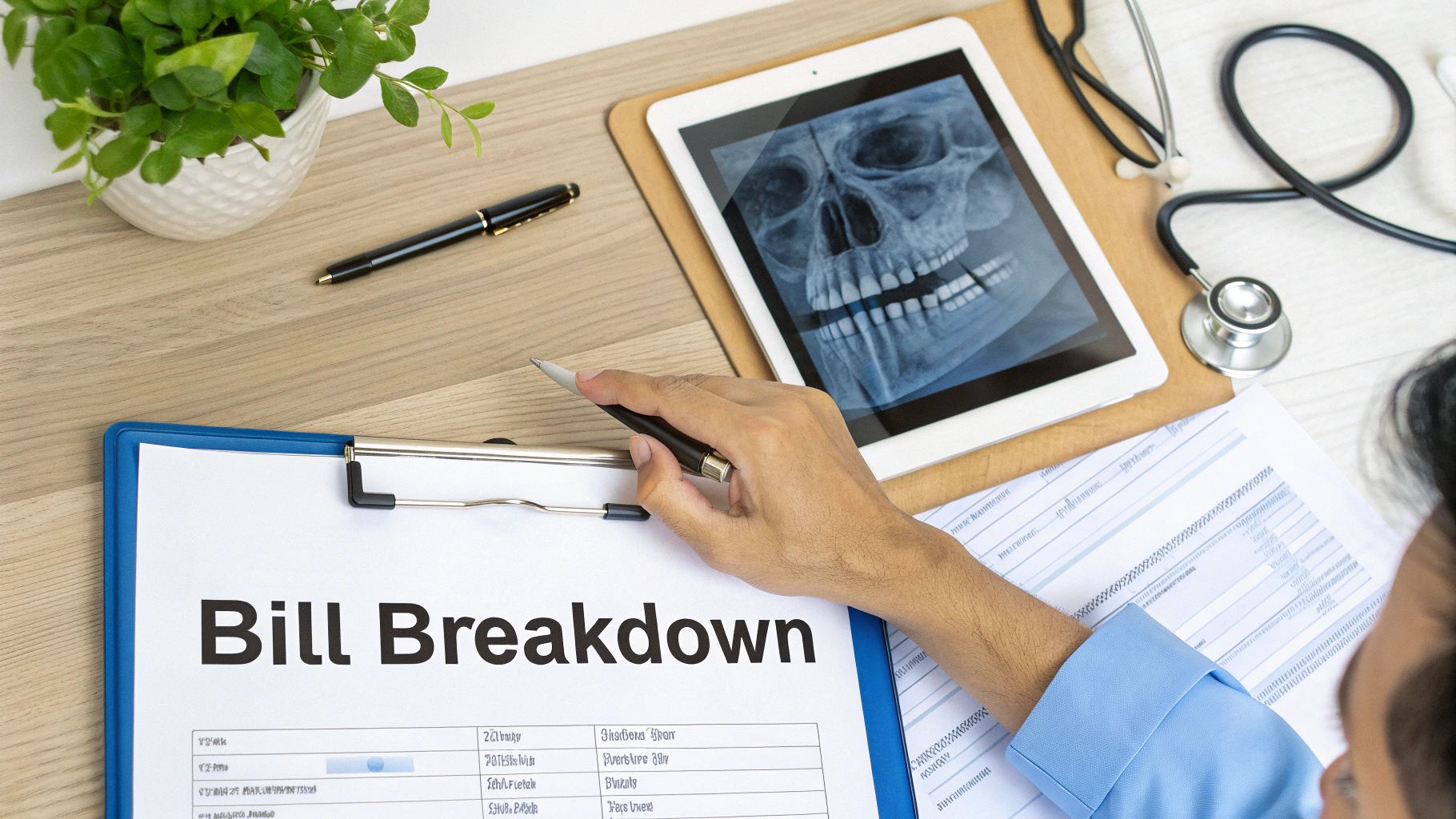
Decoding Your Vet Bill: What The Cost Includes
When you see the estimate for a professional dog dental cleaning, the total might feel like a bit of a shock. But that number isn’t for a simple "teeth cleaning"—it’s for a comprehensive medical procedure designed to protect your dog’s health from start to finish.
Let's break down a typical bill, just like we do for our clients from Oakland Gardens to Queens Village. Understanding what you’re paying for helps you see the true value in each step.
Pre-Anesthetic Bloodwork: The Safety Check
Before we even think about anesthesia, we need to know your dog is healthy enough to handle it. This isn't optional; it's our most important safety protocol. A simple blood test gives us a snapshot of your dog’s organ function.
IV Catheter And Fluids: Lifeline And Support
During the procedure, your dog will have an IV (intravenous) catheter and fluids. The catheter gives us immediate vein access in the rare case of an emergency, while the fluids maintain stable blood pressure and hydration for a smoother recovery.
Anesthesia And Monitoring: A Pain-Free Procedure
This is usually the biggest part of the bill. Anesthesia makes the entire process painless and stress-free for your dog, allowing our team to clean thoroughly. This part of the bill covers:
- Safe Anesthetic Drugs: We use modern medications chosen for your dog’s age, size, and health.
- Constant Monitoring: A dedicated technician watches your dog’s vital signs from start to finish.
- Temperature Control: We use warming blankets to maintain your dog’s body temperature.
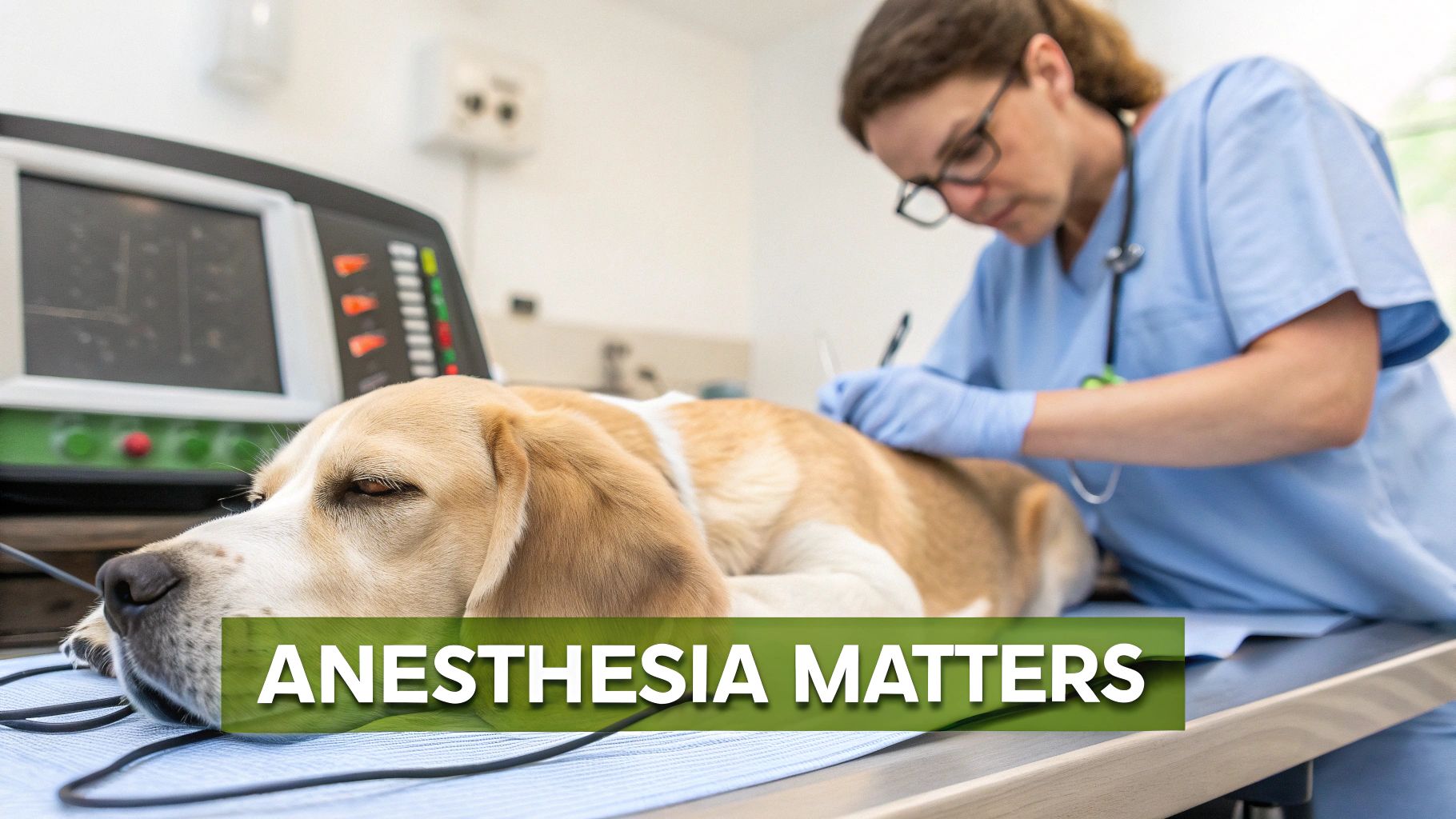
Full-Mouth Dental X-Rays: Seeing Below The Surface
The real danger in dental disease hides below the gumline. Dental X-rays are the only way to see what's happening to the tooth roots and jawbone. They help us find painful issues like tooth root abscesses, bone loss, and broken roots.
Professional Scaling And Polishing: The Deep Clean
This is what most people picture when they think of a dental cleaning. Scaling removes the hardened tartar from every tooth surface, especially beneath the gums. Then, we polish every tooth to smooth out tiny scratches, making it harder for new plaque to stick. You can learn more about our comprehensive approach to pet wellness under our other veterinary services.
Once you see all the pieces, the cost becomes a clear investment in your dog’s safety, comfort, and long-term health. Text us at 718-301-4030. If symptoms are severe or after hours, go directly to a 24/7 emergency hospital.
Smart Ways To Manage Your Dog's Dental Care Costs
When it comes to the dog dental cleaning cost, a little bit of prevention at home goes a very long way. For pet owners across Queens, from Bayside to Hollis, the single best way to manage future vet bills is to be proactive.
Simple, consistent habits can dramatically slow down the plaque and tartar that lead to expensive dental procedures.
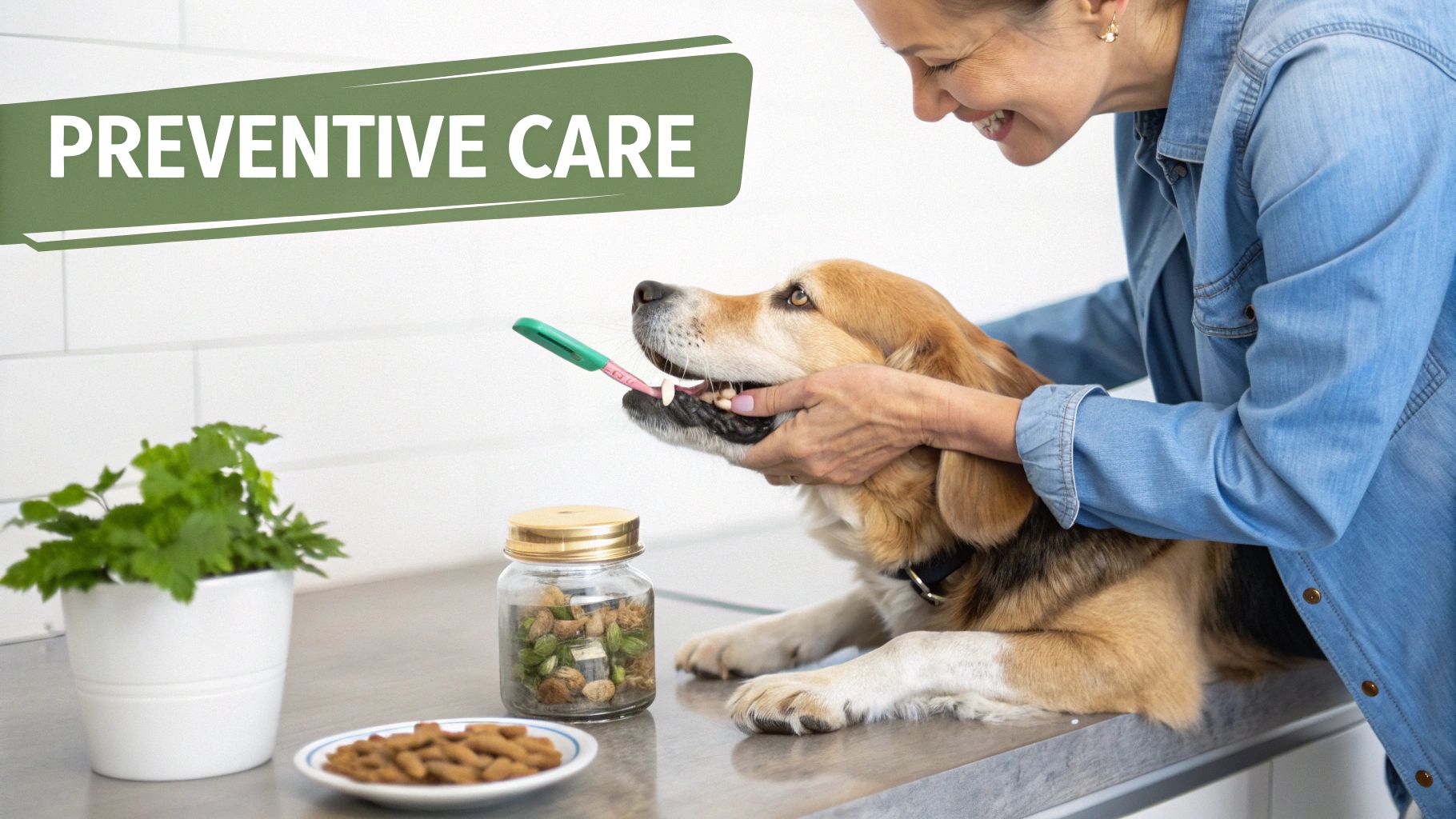
Proactive Care At Home
The cornerstone of managing dental costs is a solid at-home routine. Consistency is key. Here's what works:
- Daily Tooth Brushing: This is the gold standard. Using a soft-bristled brush and a toothpaste made for dogs is the best way to stop plaque. Check out our guide on how to brush your dog's teeth at home for detailed instructions.
- Dental Chews and Toys: Look for products with the Veterinary Oral Health Council (VOHC) seal of approval. These are designed to help scrape away plaque.
- Specialized Dental Diets: Certain dog foods are formulated to scrub the teeth with every bite, helping to reduce tartar buildup. You can find more info in our dog teeth cleaning articles.
Financial Planning And Regular Checkups
A bit of forward-thinking can make a big difference. Many pet owners in Oakland Gardens and Fresh Meadows find that budgeting for care or investing in pet insurance helps take the stress out of veterinary expenses.
Regular wellness exams are your other secret weapon. When we see your dog for their annual checkup, we can spot the earliest signs of trouble. Catching gingivitis before it turns into severe periodontal disease means a simpler, less invasive, and less expensive cleaning is needed.
If you have questions about setting up a preventive care plan for your dog, we can help. Text us at 718-301-4030. If symptoms are severe or after hours, go directly to a 24/7 emergency hospital.
Short FAQ About Your Dog’s Dental Health
Is bad breath in dogs normal?
No. While your dog's breath won't be minty fresh, a strong, foul, or persistent odor is almost always a sign of an underlying dental problem that needs professional attention.
Why is anesthesia necessary for a dental cleaning?
Anesthesia is essential for safety and effectiveness. It keeps your dog pain-free and still, allowing the veterinary team to clean thoroughly below the gumline, conduct a full oral exam, and take vital X-rays—all of which are impossible on an awake animal.
Can I just scrape the tartar off my dog's teeth at home?
Please don't. This is often called "anesthesia-free dentistry" and it's purely cosmetic. It doesn't address the disease hiding below the gumline and can damage tooth enamel or cause injury to you or your pet.
How often does my dog need a dental cleaning?
This depends on your dog's breed, size, age, and genetics. Many small breeds need annual cleanings, while some larger breeds may go longer. Your veterinarian will recommend a schedule based on your dog's specific needs.
At Union Vet NY, we believe clear information helps you make the best choices for your dog's health.
Text us at 718-301-4030. If symptoms are severe or after hours, go directly to a 24/7 emergency hospital.
