
Can Dogs Eat Sugar? A Queens Vet Explains the Risks
You’re on the couch in Bayside or Fresh Meadows, opening a cookie, and your dog is staring at you like you’ve never fed them a day in their life. Most Queens pet owners know that look. The question usually comes fast. Can dogs eat sugar, or is one bite going to cause a crisis?
The reassuring answer is that a tiny crumb of a sugary food usually isn’t the same thing as a poisoning emergency. But that doesn’t make sugar safe. Regular sugar can upset your dog’s stomach right away, and repeated exposure can push dogs toward bigger health problems over time.
The confusing part is that not all “sweet” foods carry the same risk. Plain sugar and frosting are one issue. Xylitol, a sugar substitute used in some sugar-free products, is a completely different and much more dangerous situation.
If your dog just grabbed a donut, licked cupcake icing, or chewed through a pack of gum, the next step depends on what was in it. That’s where many owners get stuck. This guide will help you sort out what matters, what symptoms to watch for, when it’s urgent, and when it’s an emergency.
That Sweet Face Is Begging Can One Bite Hurt
A lot of dogs in Queens live close to people’s routines. They’re around birthday cake, coffee shop pastries, takeout desserts, and snacks left on counters in small kitchens. A Yorkie in Little Neck can reach a dropped cookie fast. A puppy in Queens Village can tear into a shopping bag before you even put groceries away.
So, can dogs eat sugar? The simplest answer is they shouldn’t. Dogs don’t benefit from added sugar, and their bodies don’t handle it well. Still, context matters.
If your dog licked a small bit of icing off your finger, you’ll usually be watching for stomach upset more than expecting a true emergency. If your dog ate a larger amount of candy, cake, or sweet baked goods, the concern goes up. And if the product was labeled sugar-free, that changes everything because xylitol may be involved.
Practical rule: A small taste of regular sugar is usually a “monitor closely” situation. A possible xylitol exposure is an “act now” situation.
What makes this tricky is that owners often focus on the amount eaten and forget to check the ingredient list. The ingredient matters just as much as the quantity. A plain cookie and a sugar-free mint do not carry the same risk.
Dogs also vary. A larger dog may handle a tiny accidental lick with little more than mild stomach upset. A small dog or young puppy may show signs faster and more dramatically. That’s especially relevant in city households where small breeds are common and food accidents happen in tight spaces.
The first question to ask
Before you do anything else, ask yourself:
- What exactly was eaten. Cookie, frosting, candy, gum, peanut butter, syrup, or baked goods.
- Was it sugar-free. If yes, look for xylitol on the label right away.
- How much is missing. Even a rough estimate helps.
- When did it happen. Timing matters, especially with xylitol.
- Is your dog acting normal. Look at energy, walking, breathing, and vomiting.
That quick check will tell you whether this is likely a dietary mistake or a true emergency.
Why Your Dogs Body Rejects Sugar
A dog’s digestive system isn’t built for the kind of refined sugar people eat every day. Think of your dog’s body like an engine designed to run on balanced nutrition, not bursts of concentrated sweetness from cookies, candy, or table sugar.
When dogs eat refined sugar, the problem often starts in the gut. According to Bond Vet’s explanation of candy and sweets in dogs, when dogs ingest granulated or refined sugar, these concentrated carbohydrates bypass their evolutionary dietary adaptation and disrupt the bacterial balance in the gut. This dysbiosis manifests acutely as stomach upset, vomiting, diarrhea, and gas, and can lead to long-term health issues.
What that means in plain language
Your dog’s intestines contain helpful bacteria that support digestion. Refined sugar can throw that balance off. When that happens, many dogs develop:
- Vomiting after eating sweets
- Loose stool or diarrhea later that day
- Gas and bloating that make them uncomfortable
- Stomach pain that shows up as restlessness, panting, or a hunched posture
Some owners get confused because fruit contains sugar too. The difference is that dog-safe fruits come with fiber and other nutrients, while refined sugar hits the digestive system as a concentrated sweet load.
Why symptoms can seem “sudden”
A dog can look fine at first and then develop signs later in the day. That delay doesn’t mean the food was harmless. It often means the gut is reacting as digestion moves along.
Watch for changes such as:
- Repeated lip licking
- Trying to eat grass
- Refusing the next meal
- Burping or a tight-looking abdomen
- Accidents in the house from diarrhea
If your dog ate something sugary and then seems “off,” trust that observation. Owners often notice subtle discomfort before the clearest symptoms appear.
This is one reason I tell pet owners not to shrug off sweets just because sugar isn’t always immediately toxic in the way some poisons are. The body still rejects it. The upset may start in the stomach, but it doesn’t always end there.
Long Term Health Risks of a Sugary Diet
One sugary accident is different from a sugary pattern. Dogs who get regular sweet treats, people food, or hidden sugars in processed products can develop problems that change their health for years.
According to Volhard Dog Nutrition’s discussion of how sugar can hurt dogs, approximately 25-30% of the canine population is battling obesity, which can escalate to 40-45% in senior dogs. Sugar directly contributes to this epidemic, which is a foundational risk factor for conditions like type II diabetes, affecting 1 in 500 dogs.
Weight gain and obesity
Sugar adds calories without giving your dog the balanced nutrition they need. That matters even more when treats become a daily habit.
Small dogs often get into trouble faster than owners expect. A little extra food for a large breed may be less noticeable. The same habit in a tiny apartment dog can add up quickly. Once weight comes on, pets can become less active, and that creates a cycle that’s hard to reverse.
Dental disease
Sugary foods can also be rough on the mouth. Sticky sweets cling to teeth, settle near the gums, and feed bacteria that contribute to bad breath and dental problems.
Owners sometimes miss this because the earliest signs are subtle. You may only notice:
- Worse breath than usual
- Brown buildup on teeth
- Dropping kibble
- Chewing on one side
- Irritability when the face is touched
Pancreatitis
The pancreas helps manage digestion and blood sugar. Rich desserts often come with both sugar and fat, which is a frustrating combination for dogs. A dog that steals cake, frosting, pastries, or sweet baked goods may not just get an upset stomach. Some develop significant inflammation of the pancreas.
That can look very different from a mild dietary indiscretion. Dogs with pancreatitis may vomit repeatedly, refuse food, seem painful, or lie down in unusual positions because their belly hurts.
A dog that vomits once after a food mistake may just need monitoring. A dog that keeps vomiting, seems painful, or won’t settle needs veterinary attention.
Diabetes
Long-term sugar exposure becomes more than a nuisance. Repeated sugar intake contributes to weight gain and metabolic stress, and over time some dogs develop diabetes.
Diabetes in dogs isn’t always dramatic at first. Owners often notice increased thirst, more urination, hunger changes, or gradual weight changes before they realize something is wrong. Those signs can be easy to miss in a busy household.
The 10 percent rule for treats
The same Volhard resource notes that naturally occurring sugars from dog-safe fruits and vegetables can be acceptable, but they should make up no more than 10% of a dog’s overall diet, with the remaining 90% coming from balanced dog food. That’s a useful rule for owners who want to offer treats without letting sweet extras take over the bowl.
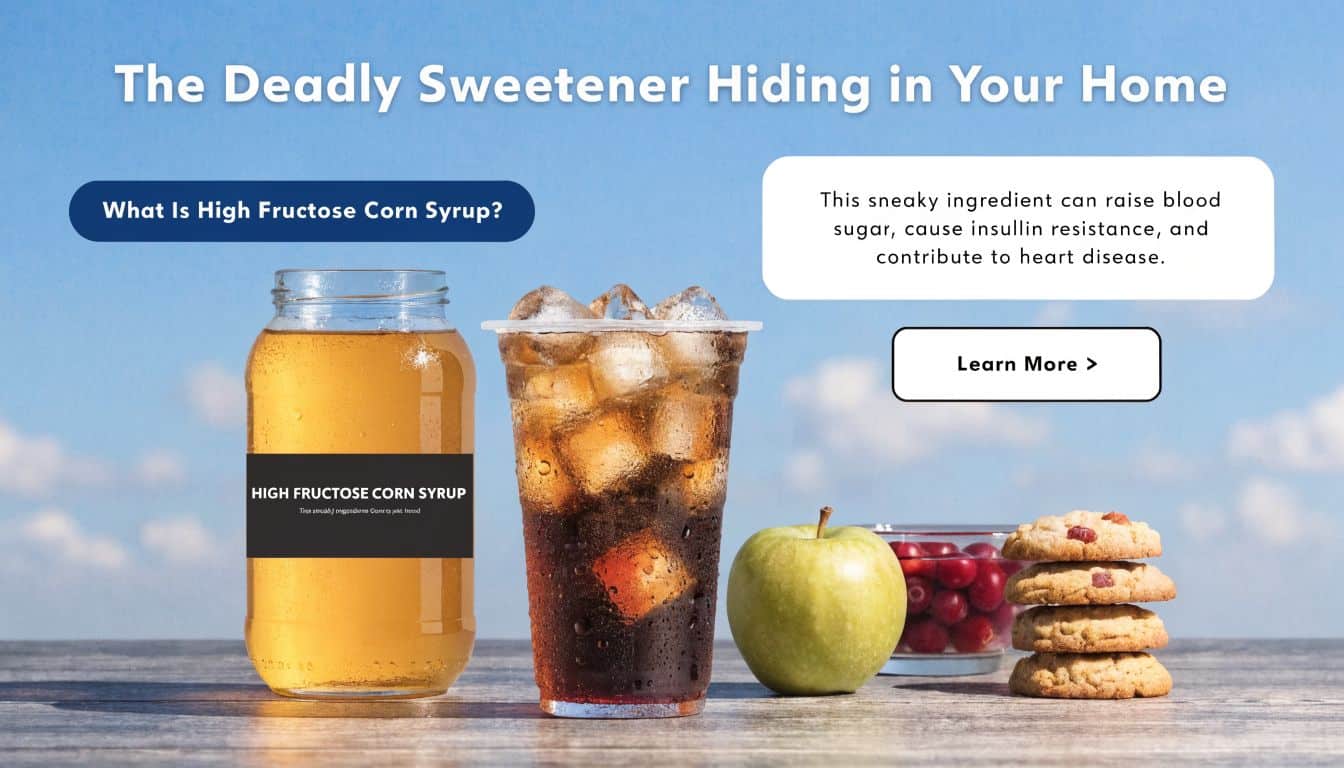
The Deadly Sweetener Hiding in Your Home
Regular sugar can make dogs sick. Xylitol can kill them. Those are not the same conversation.
Xylitol is a sugar alcohol found in some sugar-free gums, mints, baked goods, and some peanut butters. In people, it doesn’t trigger the same response. In dogs, it can trigger a rapid insulin surge that sends blood sugar crashing.
The FDA warning on xylitol and dogs explains it clearly. Xylitol is rapidly absorbed into a dog's bloodstream, stimulating a potent release of insulin from the pancreas. This causes a profound and rapid drop in blood glucose (hypoglycemia), which can occur within 10 to 60 minutes of ingestion and can lead to seizures, liver failure, and death if untreated.
Where owners miss it
Most pet owners know to worry about chocolate. Fewer realize that sugar-free items can be even more dangerous.
Check these products closely:
- Sugar-free gum
- Breath mints
- Sugar-free candies
- Some baked goods
- Some peanut butters
- Some chewable vitamins or supplements
- Certain dental products
If the label says sugar-free, don’t assume that means safer for your dog. It may mean the opposite.
What signs can appear
Because blood sugar can fall quickly, symptoms may come on fast. You might see:
- Weakness
- Stumbling
- Shaking
- Vomiting
- Collapse
- Seizures
Some dogs also develop liver injury. If you want more background on why that matters, this overview of elevated liver enzymes in dogs can help explain how liver problems show up after toxic exposures.
If you suspect xylitol, don’t wait for symptoms to “prove” it. Symptoms can lag behind the danger.
Read the ingredient list, not the front label
Owners often tell me, “It only says no sugar added,” or “It looked like normal peanut butter.” That front label doesn’t tell you enough. Turn the package over and look for xylitol in the ingredient panel.
Even if your dog seems normal, a possible xylitol ingestion is an emergency because of how fast blood sugar can drop. This is the sweetener that changes the timeline from “watch closely” to “go now.”
Your Emergency Action Plan
When a dog eats something sweet, panic makes it hard to think. Use the ingredient list to split the situation into one of two paths.
My dog ate a sugary food with no xylitol
If the food contained regular sugar but not xylitol, take these steps:
Remove the food
Pick up wrappers, plates, and anything else your dog could keep eating.Check for other dangers
Many desserts contain more than sugar. Chocolate, raisins, macadamia nuts, and fatty fillings can change the risk level.Offer fresh water
Don’t force drinking, but make water available.Watch for symptoms
Monitor for vomiting, diarrhea, gas, bloating, restlessness, or reduced appetite.Save the packaging
Keep the label so your veterinary team can review ingredients.
Call your veterinarian promptly if your dog has repeated vomiting, persistent diarrhea, marked belly discomfort, unusual lethargy, or if your dog is very small, very young, elderly, or has existing medical issues.
When it’s urgent
A regular sugar ingestion is urgent rather than emergent when your dog is uncomfortable but stable. Examples include:
- One or two episodes of vomiting
- Loose stool but normal energy
- Mild bloating or gas
- Temporary appetite drop
- An uncertain ingredient list
That still deserves a call. Owners often underestimate how much richer human desserts are than dog treats.
I suspect my dog ate xylitol
This is an emergency.
Do this right away:
- Stop further access. Remove the product and any remaining pieces.
- Take the package with you. Ingredient details matter.
- Call while you are leaving. Let the clinic or emergency hospital know you’re on the way.
- Keep your dog quiet and safe. If weak or disoriented, carry them if possible.
- Do not give human medications unless your veterinarian advises it.
If your dog is shaking, collapsing, or having abnormal movements, this guide to what causes seizures in dogs may help you recognize the seriousness of what you’re seeing, but don’t delay travel for more reading.
What to do before arriving
For both situations, a few simple steps help your veterinary team faster:
- Bring the wrapper or container
- Write down the time of ingestion
- Estimate how much was eaten
- Note any symptoms you saw at home
- Avoid feeding more treats or table food
Do not try home remedies you found online. And do not induce vomiting unless a veterinarian specifically instructs you to do so.
The fastest way to help your dog is accurate information, quick transport, and a calm, clear handoff to the medical team.
Text us at 718-301-4030. If symptoms are severe or after hours, go directly to a 24/7 emergency hospital.
Safe Swaps and Healthy Treat Habits
The good news is that “no sugar” doesn’t mean “no fun.” Dogs can enjoy treats. They just need treats that fit their bodies better.
The goal is simple. Keep extras small, keep them plain, and make sure treats don’t crowd out balanced nutrition. As noted earlier, treats such as dog-safe fruits and vegetables should stay under 10% of the daily diet, with the other 90% coming from complete, balanced food.
Better choices for snack-loving dogs
Try options like:
- Blueberries for a small, easy treat
- Carrot pieces for crunch
- Apple slices without seeds for dogs who like sweetness
- Strawberries in small amounts
- Regular dog treats made for canine nutrition needs
If your dog has a sensitive stomach, switch treats carefully. This guide on what to feed a dog with a sensitive stomach can help you choose gentler options.
Dog Treat Safety Guide Avoid These vs Try These
| Foods to ALWAYS AVOID | Safe & Healthy Swaps (in moderation) |
|---|---|
| Sugar-free gum or mints | Blueberries |
| Candy and frosted desserts | Carrot slices |
| Chocolate treats | Apple slices without seeds |
| Raisin desserts | Strawberries |
| Onion-containing savory snacks | Plain dog treats |
Habits that prevent accidents
A few household routines make a real difference:
- Store sweets high up instead of leaving them in handbags or on low tables.
- Check peanut butter labels before using it in toys or lick mats.
- Teach guests not to share table scraps, especially at birthdays and holidays.
- Use measured treats so “just one more” doesn’t turn into a daily pattern.
Frequently Asked Questions From Queens Pet Owners
Is a tiny lick of frosting really that bad
Usually, a tiny lick of regular frosting is more likely to cause mild stomach upset than a true emergency. The bigger concern is what else was in the food. If it was sugar-free, chocolate-based, or contained another toxic ingredient, the situation changes.
What about natural sugars like honey or maple syrup
Natural sweeteners are still sugar. They’re not the same as xylitol, but they still aren’t something I recommend as a routine part of a dog’s diet. If a dog gets a taste, monitor for stomach upset. For planned treats, dog-safe fruits in small amounts are a better choice.
My dog’s food lists sugar in the ingredients. Should I worry
It’s worth paying attention. According to this discussion of hidden sugars in dog foods, many commercial dog foods, especially budget-friendly options, contain hidden sugars like glucose, sucrose, or corn syrup. While not acutely toxic, chronic intake of these hidden sugars can contribute to inflammation, weaken the immune system, and exacerbate risks for obesity and diabetes over time. If you’re seeing recurring skin issues, weight gain, digestive upset, or you want a cleaner ingredient list, ask your veterinarian to review the diet with you.
Can puppies eat sugar
I don’t recommend it. Puppies have less room for dietary mistakes because they’re small, developing, and more prone to stomach upset when they eat inappropriate foods.
Should I make my dog vomit after eating sweets
Not unless your veterinarian tells you to. In some situations, trying to induce vomiting at home can make things worse or waste valuable time.
When should I stop monitoring at home and seek care
Seek care if your dog keeps vomiting, has ongoing diarrhea, seems painful, becomes weak, won’t get up, acts confused, or if you suspect any xylitol exposure at all.
If your dog ate sugar, candy, frosting, or a sugar-free product and you’re not sure what to do next, contact Union Vet NY. We’re here to help pet owners in Oakland Gardens, Bayside, Fresh Meadows, Glen Oaks, Little Neck, Hollis, and Queens Village think through what’s urgent, what’s an emergency, and what information to bring. Text us at 718-301-4030. If symptoms are severe or after hours, go directly to a 24/7 emergency hospital.
