
Best Food for Cats with Hyperthyroidism: 2026 Guide
You get the diagnosis. Your cat is eating like always, maybe even more than usual, but keeps losing weight. The water bowl empties faster. The litter box is wetter. Now you’re standing in your kitchen in Queens with a bag of food in one hand and a lot of questions in the other.
That reaction is normal.
Hyperthyroidism sounds intimidating, but it’s a condition we manage often in older cats. Food matters here. Sometimes it’s part of the main treatment. Sometimes it supports recovery after treatment. In both cases, the right diet can help your cat feel steadier, maintain weight, and stay hydrated.
The hard part is that “best food” doesn’t mean one thing for every cat. A cat eating an iodine-restricted prescription diet has very different needs from a cat taking methimazole or a cat that already had radioactive iodine treatment. The best choice depends on the treatment plan, kidney function, appetite, and what your cat will eat consistently.
Your Cat Has Hyperthyroidism Now What
A lot of cat owners have the same first thought after diagnosis. “What can I feed that will help right away?”
That’s a good question, because diet is one of the most practical things you can control at home. If your cat has just been diagnosed, food can become either a core treatment or an important support tool. The right plan depends on whether your cat is using an iodine-restricted prescription diet, medication, or another treatment approach.
Hyperthyroidism pushes the body too hard. Cats often act hungry, restless, and wired, while losing weight and muscle in the background. Owners from Oakland Gardens to Bayside often tell us the same thing. Their cat seemed “fine except skinny” until the other signs started stacking up.
Start with what your cat is doing today
Pay attention to a few basics before changing anything:
- Appetite pattern. Is your cat eager to eat, picky, or skipping meals?
- Body changes. Are you noticing weight loss over the spine, hips, or shoulders?
- Water intake. Is the water bowl running low faster than usual?
- Vomiting or diarrhea. Even occasional episodes matter.
- Energy level. Some cats seem revved up. Others look tired because the disease has worn them down.
If your cat has stopped eating or drinking, that changes the urgency. Use this guide on what to do when your cat is not eating or drinking and call your veterinarian promptly.
Hyperthyroidism is manageable, but the diet has to match the treatment. Guessing usually creates problems.
Food won’t replace a proper medical plan. It works best when it’s chosen with a clear goal. Lower thyroid hormone production. Rebuild lost muscle. Protect hydration. Support kidneys if they’re also part of the picture.
Understanding Feline Hyperthyroidism and Its Symptoms
Your older cat is cleaning out the food bowl, crying for more, and still getting thinner. I hear this concern often from cat owners in Queens. It is one of the most common ways hyperthyroidism first shows up at home.
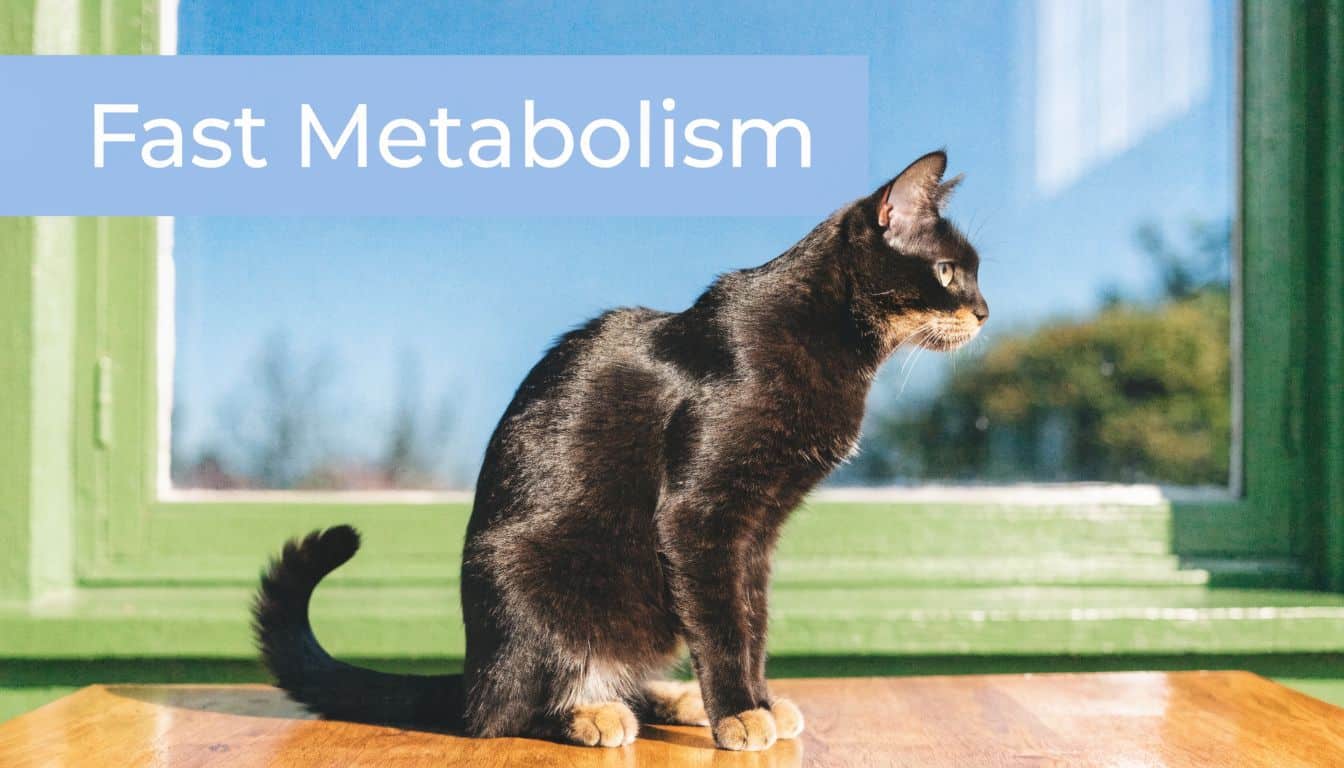
Hyperthyroidism happens when the thyroid gland makes too much thyroid hormone. That hormone pushes the body to run too fast. Cats burn calories and muscle quickly. The heart works harder. Many cats drink more, act restless, and seem hungry all the time.
Common symptoms owners notice first
The early pattern is often confusing. A cat may look bright and interested in food, but feel worse underneath. Weight loss despite a strong appetite is one of the clearest warning signs.
Many cats show several of these signs at once:
- Weight loss despite eating well
- Increased appetite
- More thirst
- More urine in the litter box
- Restlessness or unusual activity
- Vomiting
- Diarrhea
- Poor coat quality
- Behavior changes, including irritability or vocalizing more
Muscle loss matters here. Hyperthyroid cats often lose lean body condition, not just fat. In practice, this is why a cat can feel bonier over the spine and hips even while asking for food constantly. Once treatment is in place, the feeding plan needs to support safe weight and muscle recovery. That is one reason we look closely at protein level, food form, appetite, and kidney health before recommending a diet at Union Vet.
What’s urgent and what’s an emergency
Some symptoms can wait for the next routine visit. Others should trigger a same-day call.
Urgent symptoms that should prompt a same-day call to your veterinarian
- Your cat is eating much less than usual
- Vomiting keeps happening
- Diarrhea lasts beyond a brief upset
- You notice fast weight loss
- Your cat seems newly weak or lethargic
- There’s a clear increase in thirst and urination
- Your cat is difficult to medicate and is missing doses
- A cat on a prescription thyroid diet is sneaking other food
Cats on an iodine-restricted prescription diet need special attention. Even small amounts of other food can interfere with that treatment plan. In multi-cat homes, this is a very common problem.
Emergency symptoms that mean immediate hospital care
- Trouble breathing
- Collapse
- Severe weakness
- Open-mouth breathing
- Repeated vomiting with inability to keep food or water down
- Sudden inability to stand
- Seizure-like activity
- Extreme distress or unresponsiveness
Practical rule: If your cat is struggling to breathe, cannot stay upright, or seems severely distressed, go to an emergency hospital right away.
What to do before you arrive
A little preparation helps us make faster, safer decisions.
- Bring a list of everything your cat eats, including treats, table food, supplements, and access to another pet’s bowl.
- Take photos of the food labels if you can’t bring the bag or cans.
- Note recent changes in appetite, thirst, urination, vomiting, stool, and weight.
- Bring medications or a photo of the labels, including methimazole if your cat is taking it.
- Do not give human medications unless your veterinarian specifically advised them.
- Keep your cat indoors and quiet before transport.
Text us at 718-301-4030. If symptoms are severe or after hours, go directly to a 24/7 emergency hospital.
The Goals of a Hyperthyroid Cat Diet
A hyperthyroid cat can be hungry all day and still keep losing weight. That is the part that worries many owners in Queens most. The food bowl is empty, but the cat looks thinner every week.
Diet can help, but the goal depends on how the thyroid disease is being treated.
Two Main Dietary Strategies for Feline Hyperthyroidism
| Dietary Approach | Primary Goal | Best For | Key Consideration |
|---|---|---|---|
| Iodine-restricted prescription diet | Reduce the raw material needed for thyroid hormone production | Cats using dietary therapy as a main treatment approach | Works only with strict exclusivity |
| High-protein, low-carbohydrate wet diet | Restore weight, muscle, and hydration | Cats on medication or after definitive treatment | Must still fit kidney status and appetite |
If food is the treatment, consistency matters
The thyroid uses iodine to make hormone. An iodine-restricted prescription diet lowers iodine intake enough to reduce hormone production in some cats.
This only works if every bite follows the plan. One treat, shared food in a multi-cat home, table scraps, or outdoor hunting can throw it off. In practice, many well-meaning owners struggle with this, especially in busy households.
For Queens families considering this option through Union Vet, the first question is not whether the food is theoretically effective. The first question is whether the cat’s eating routine can be controlled every day.
If the thyroid is being treated another way, the diet should rebuild the body
Cats with hyperthyroidism often lose muscle, not just fat. That loss affects strength, grooming, comfort, and recovery.
For those cats, I usually look for a meat-based wet food that supports calorie intake and muscle maintenance while keeping carbohydrates modest. The AAFP educational guidance on feline hyperthyroidism notes that affected cats often benefit from diets that are highly digestible, rich in protein, and lower in carbohydrates. The exact food still has to match the cat in front of you. Appetite, kidney values, stool quality, and what the cat will eat all matter.
Wet food is often the practical starting point.
Moisture helps more than many owners expect
These cats commonly drink more and urinate more. Canned food helps support hydration and is often easier for an older cat to eat, especially one that has become picky or is losing weight fast.
A perfect nutrient profile on paper is not useful if the cat refuses it.
Kidney disease can change the plan
Many hyperthyroid cats are older, and many older cats also have kidney disease. Sometimes kidney problems are already known. Sometimes they become clearer after thyroid levels come down.
That creates a real trade-off. A diet chosen to help regain weight and muscle may need adjustment if phosphorus or kidney values become a concern. This is one reason I do not recommend making repeated food changes at home without guidance. Follow-up exams and lab work help us decide whether the original plan still fits.
What usually works best
- When diet itself is the thyroid treatment: strict iodine-restricted prescription food, with no other foods or treats
- When medication or another treatment is controlling the thyroid: a high-protein wet food that supports weight and muscle
- When kidney disease is also present: an individualized plan based on lab results and appetite
- When appetite is poor: choose the food the cat will reliably eat first, then refine from there
Prescription Diets for Hyperthyroidism Available in Queens
If a cat is a good candidate for dietary thyroid control, the prescription option that gets discussed most often is Hill’s Prescription Diet y/d Thyroid Care. This approach isn’t a general “healthy senior cat food.” It’s a therapeutic diet designed for a very specific purpose.
It works by sharply limiting iodine, which the thyroid needs to produce hormone.
How the prescription diet works
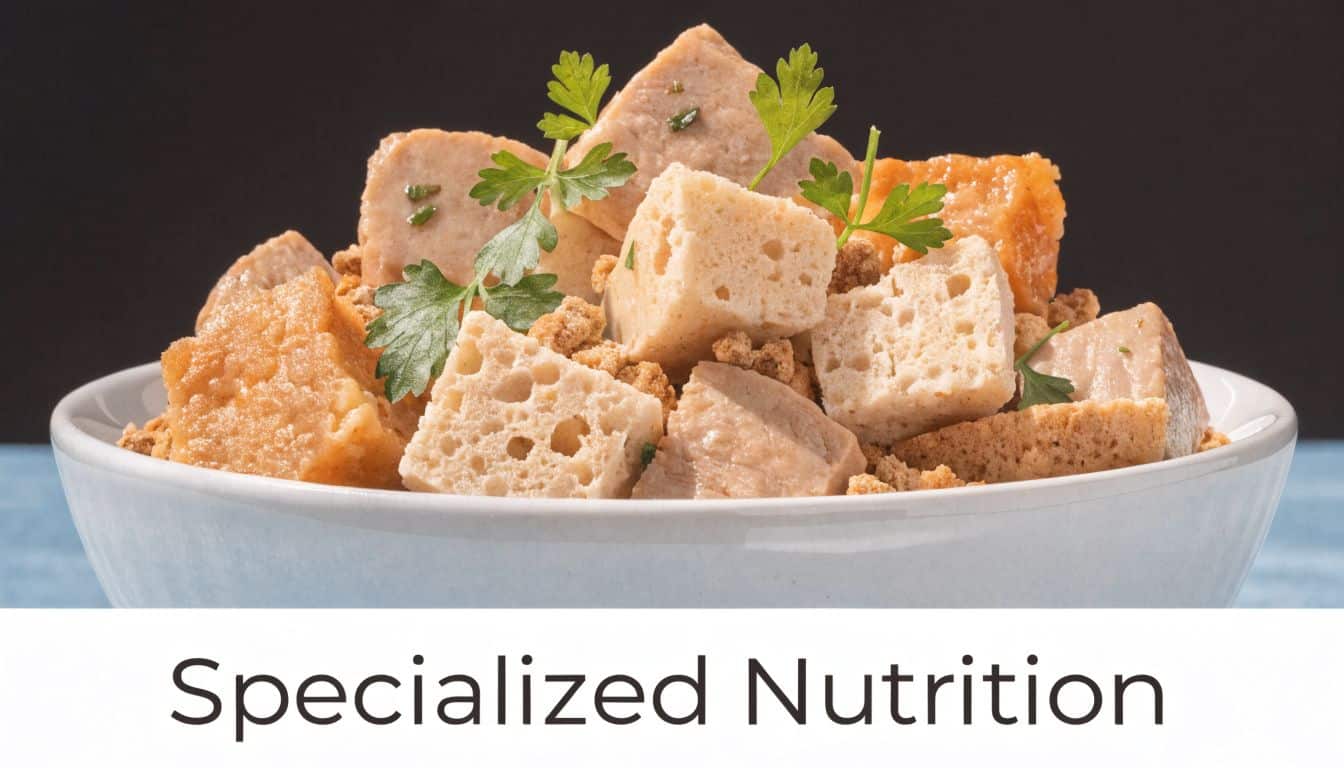
An iodine-restricted diet like Hill’s y/d limits iodine to 0.32 ppm or less, and PetMD’s review of this dietary therapy notes that total T4 levels begin to decrease significantly within three weeks and often normalize within a few months. The same source cites a one-year study in which the diet controlled hyperthyroidism in six out of eight cats (75%) by 4 weeks.
That’s meaningful, but only if the diet is used correctly.
The cats most likely to do well on it
This food can make sense for cats whose owners can control every bite the cat eats. It’s often considered when:
- Medication is hard to give
- A non-invasive option is preferred
- The cat lives indoors and food access is easier to control
- There isn’t a competing medical reason to use a different diet
Canned forms are often preferred because the added moisture helps cats dealing with increased urination and thirst.
What undermines the diet
This is the main reason iodine-restricted diets fail at home. Cats are opportunists.
Common problems include:
- Treats, even tiny ones
- Another cat’s kibble
- Human food from the table or counter
- Outdoor hunting
- Supplements not cleared by your veterinarian
If an iodine-restricted diet is the treatment, it has to be exclusive. “Mostly compliant” usually isn’t enough.
Real-world trade-offs
This diet is not the best fit for every hyperthyroid cat. Some cats need another nutritional direction because their appetite, kidney status, or household setup makes strict exclusivity unrealistic. Others won’t eat it well enough, and no therapeutic food helps if the cat won’t consume enough calories.
That’s why this decision shouldn’t be made by brand name alone. The food has to fit the cat, the treatment plan, and the home routine.
Choosing Non-Prescription and Home-Cooked Options
Not every hyperthyroid cat should be on an iodine-restricted diet. If your cat is taking methimazole, has had radioactive iodine treatment, or has had surgery, the nutritional goal usually shifts. Now the focus is less about blocking thyroid hormone production through food and more about rebuilding body condition, preserving muscle, and supporting hydration.
That’s where carefully chosen non-prescription wet food can help.
What to look for in an over-the-counter diet
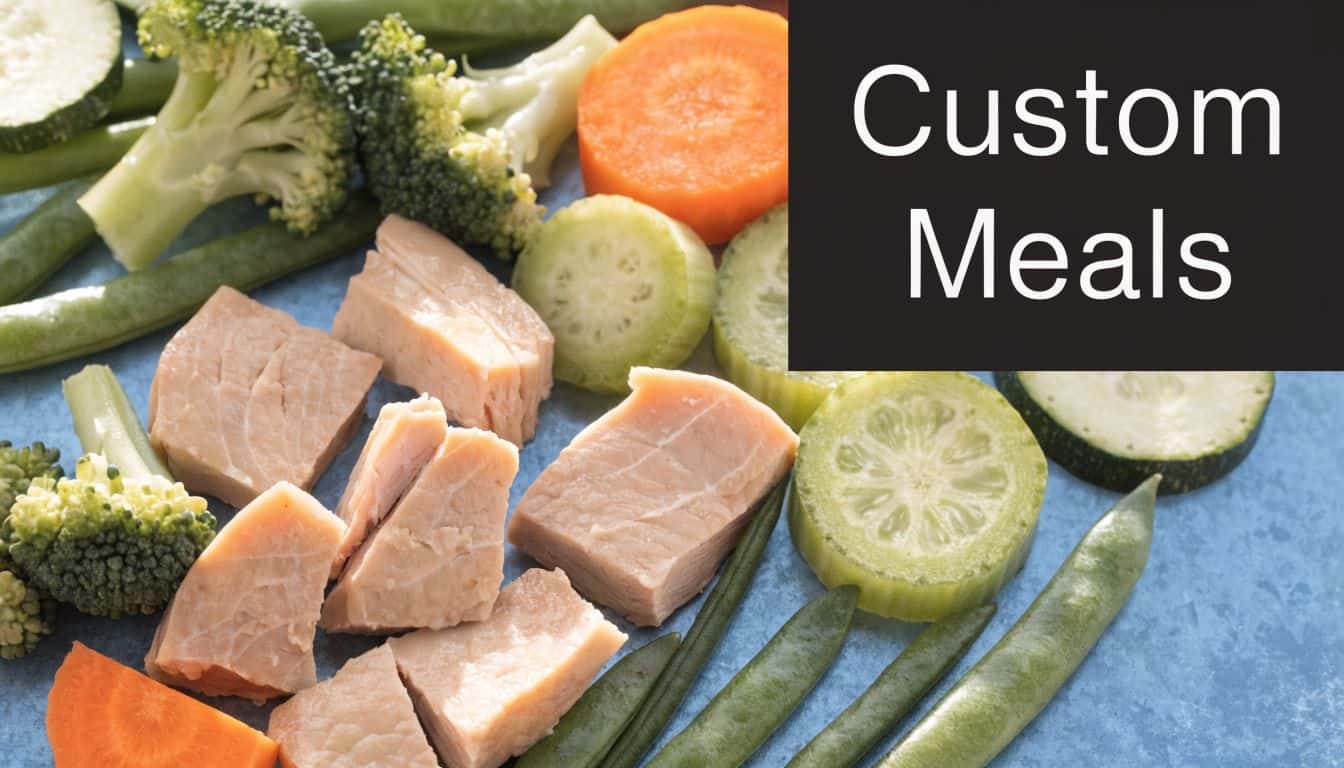
For hyperthyroid cats that need to regain weight, the verified nutritional target is more than 40% meat protein, less than 10% carbohydrates, and about 50% fat, with canned pâté foods preferred over dry kibble, based on feline guidance on what to feed a hyperthyroid cat. High-moisture wet foods also help with increased thirst.
That profile points owners toward meat-focused canned foods, especially pâté styles instead of gravy styles. Gravy foods often lean more heavily on starches. Dry kibble is usually less helpful for these cats when the goal is hydration plus muscle support.
A few examples commonly discussed in this context include Instinct Original grain-free chicken and Tiki Cat Hanalei Luau wild salmon. They’re not magic foods. They’re examples of the general pattern: meat-forward, wet, and lower in carbohydrates.
When non-prescription food makes sense
This path is often reasonable when:
- Your cat is already on methimazole
- Your cat needs calories and muscle support after treatment
- Your cat won’t reliably eat the iodine-restricted prescription food
- You need a more practical plan for a multi-cat home
If your cat is older and you’re also balancing age-related nutrition, this guide on the best diet for senior cats can help frame the bigger picture.
Home-cooked diets sound simple, but usually aren’t
Many owners ask if they can just cook chicken or fish at home. The intention is good. The risk is high.
A homemade diet can fall short on essential nutrients, fatty acids, minerals, and vitamins unless it’s formulated very carefully. It’s also hard to control iodine consistently without expert guidance, and plain cooked meat is not a complete diet for a cat.
What tends to go wrong with home cooking
- The diet isn’t nutritionally complete
- The protein source is fine, but minerals are unbalanced
- Iodine content is inconsistent
- Cats become selective and eat only parts of the meal
- Kidney or other senior health issues are overlooked
Home-cooked food should only be used if your veterinarian specifically guides the recipe or refers you to a veterinary nutritionist.
The best food for cats with hyperthyroidism is the one that supports the actual treatment plan. For many cats, that means a therapeutic prescription diet. For others, it means a well-chosen wet food that helps rebuild what the disease has taken.
Practical Feeding Strategies and Treatment Interactions
Even the right food won’t help much if your cat refuses it, steals other food, or gets nauseated around medication time. The daily routine matters.
Owners often need a plan that works at 6 a.m., after work, and in a home with more than one pet. That’s where small feeding decisions make a big difference.
How to switch food without upsetting the stomach
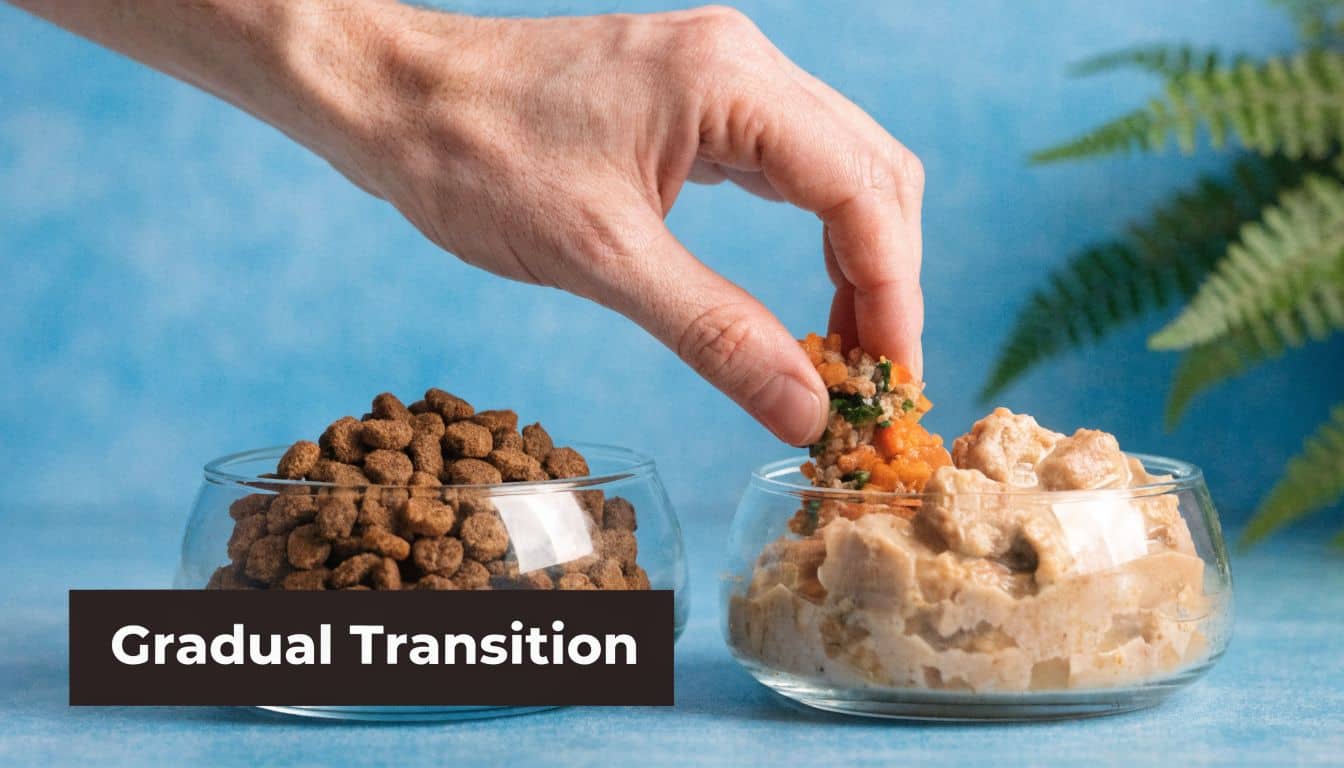
A slow transition is usually easier on cats, especially seniors.
Try this pattern unless your veterinarian gives different instructions:
- Start small. Mix a small amount of the new food into the old food.
- Increase gradually over several days if your cat is tolerating it.
- Pause if vomiting or diarrhea starts.
- Warm wet food slightly if aroma helps your cat accept it.
- Track intake so you know whether your cat is eating enough.
Cats with hyperthyroidism can be hungry but still picky. If your cat refuses the new food outright, don’t force a drawn-out standoff while intake drops.
Multi-cat homes need barriers, not good intentions
This is one of the biggest practical challenges in Queens apartments and busy family homes. If one cat is on a therapeutic diet and another isn’t, shared feeding almost always becomes the weak point.
Useful options include:
- Feed in separate rooms with doors closed
- Use scheduled meals instead of free-feeding
- Pick up bowls promptly after meals
- Use microchip or selective feeders if your setup allows
- Monitor litter box and appetite patterns for each cat separately
If your cat also has kidney concerns, this guide to signs of kidney disease in cats can help you notice changes that deserve a veterinary recheck.
Food and treatment need to work together
Medication and nutrition can affect each other in daily life, even when the medical treatment itself isn’t given in food.
For cats taking methimazole:
- A small meal can help with stomach upset if your veterinarian recommends dosing with food
- Watch for nausea signs such as lip licking, food aversion, or walking away from meals
- Don’t hide medication in foods that must stay exclusive if your cat is on an iodine-restricted diet unless your veterinarian approves the method
For cats preparing for radioactive iodine treatment:
- Follow the treatment center’s instructions exactly
- Don’t change food casually right before therapy
- Ask before adding supplements or treats
What usually doesn’t work
- Switching foods every few days
- Leaving out multiple options all day and hoping the cat chooses correctly
- Estimating intake instead of measuring it
- Trying to “make up” for poor eating with treats that disrupt the plan
A clean feeding routine is part of treatment. Not an extra.
Monitoring Your Cat and When to Visit Union Vet
A hyperthyroid diet is never a set-it-and-forget-it choice. Cats change. Appetites change. Kidney function can become more important after thyroid levels improve. A food that made sense at diagnosis may need revision later.
What you want to see at home is steady improvement, not perfection overnight.
Signs the plan may be helping
Look for changes such as:
- A more stable appetite
- Gradual weight gain or less weight loss
- Better muscle over the back and hips
- A calmer activity level
- Improved coat quality
- More normal thirst and litter box habits
Signs you should schedule a veterinary recheck
Call if you notice:
- Loss of appetite
- Vomiting that returns or persists
- New lethargy
- Weight loss continuing despite treatment
- A cat on prescription diet getting into other food
- Medication side effects or trouble giving medicine
- Big changes in water intake or urination
Some setbacks come from the disease. Others come from the food plan no longer fitting the cat. Follow-up visits sort out which is which.
Lab monitoring matters because how your cat looks at home is only part of the picture. Thyroid levels, kidney values, and overall response all guide whether the current food still makes sense.
Text us at 718-301-4030. If symptoms are severe or after hours, go directly to a 24/7 emergency hospital.
Frequently Asked Questions About Hyperthyroid Cat Diets
Can my other healthy cats eat the prescription hyperthyroid food
It’s better not to treat it like a household food. An iodine-restricted prescription diet is designed for a cat with a specific medical need. If one cat needs it, feed separately when possible.
What treats are safe for a cat on an iodine-restricted diet
If the prescription thyroid diet is the treatment, outside treats can interfere with it. Ask your veterinarian before offering anything extra. This is one of those cases where “just a little” can matter.
My cat refuses the new food. What should I do
Don’t let the situation drift while your cat eats less and less. Try warming wet food slightly, offering small meals, and transitioning gradually if your veterinarian approves. If refusal continues, contact your veterinarian. The plan may need adjustment.
Is wet food really better than dry food for my hyperthyroid cat
Often, yes. Wet food usually helps with hydration and can better match the meat-focused, lower-carbohydrate profile many hyperthyroid cats do well on. It’s especially useful for cats that are losing weight, drinking more, or need muscle support.
Can I feed a home-cooked diet instead
Only with veterinary guidance. A home-prepared diet that isn’t properly formulated can create new nutritional problems while you’re trying to manage the thyroid disease.
What is the best food for cats with hyperthyroidism
There isn’t one universal answer. For some cats, it’s a strict iodine-restricted prescription diet. For others, especially those managed with medication or after treatment, it’s a high-protein, low-carbohydrate wet food that supports weight and muscle recovery.
If your cat has hyperthyroidism and you’re unsure what to feed, Union Vet NY can help you sort through the options with a practical plan that fits your cat’s treatment, appetite, and overall health. Text us at 718-301-4030. If symptoms are severe or after hours, go directly to a 24/7 emergency hospital.
