

What Is FVRCP: Your Cat’s Essential Vaccine Guide
A new kitten visit in Queens often starts the same way. Your carrier is on the exam table, your kitten is peeking out, and a vaccine name like FVRCP comes up before you have had time to learn the basics.
FVRCP is a core combination vaccine for cats, often called the feline distemper shot, and it protects against three serious viral diseases: feline viral rhinotracheitis, calicivirus, and panleukopenia. The letters can sound technical at first, but the idea is straightforward. One vaccine helps protect your cat against several infections veterinarians worry about early in life.
If you're a new kitten owner in Queens, it's completely normal to hear the acronym and wonder what it means for your own cat, especially if your kitten will live indoors. The short answer is practical. FVRCP helps protect cats from contagious illnesses that can spread more easily than many owners expect, including through indirect contact, so veterinarians recommend it for indoor-only cats too.
For families in Oakland Gardens, Bayside, Fresh Meadows, Glen Oaks, Little Neck, Hollis, or Queens Village, that usually means the same thing. Even an apartment kitten needs a vaccine plan. Shoes, hands, carriers, hallway traffic, and contact with other cats during travel, grooming, boarding, or a vet visit can all play a role in exposure.
A simple way to picture it is a starter layer of protection. At Union Vet NY, one of the first goals of a kitten visit is helping owners understand what this shot covers, why it is recommended so early, and how the schedule fits real life without making it feel confusing.
Welcome to Pet Parenthood What is FVRCP
You bring your new kitten to the first visit at Union Vet NY. She is curious, a little nervous, and still small enough to fit in one hand. Then a vaccine name comes up, FVRCP, and the natural question is simple. What does that mean for my cat if she lives indoors in Queens?
FVRCP is a core vaccine for cats. In plain terms, that means veterinarians recommend it for cats across lifestyles, including indoor-only cats. You may also hear it called the feline distemper shot, although that nickname does not capture the full picture.
The letters stand for three diseases the vaccine helps protect against:
- FVR: Feline viral rhinotracheitis
- C: Calicivirus
- P: Panleukopenia
You do not need to memorize those names on day one. What helps most is knowing why they matter. These are infections veterinarians take seriously because they can spread between cats and can make kittens especially sick early in life.
For many new owners, the indoor-cat question is the biggest one. Indoor life lowers risk, but it doesn't erase it. Cats still ride in carriers, visit the vet, pass through apartment hallways, and sometimes share space with visiting pets or items that have been around other cats.
A useful way to look at FVRCP is as early, basic protection. It covers problems that can affect the nose, eyes, mouth, energy level, appetite, and in some cases the intestinal tract and immune system. If your kitten in Bayside, Fresh Meadows, or elsewhere in Queens never sets paw on the sidewalk, the vaccine still matters because exposure is not limited to outdoor adventures.
At Union Vet NY, this part of the visit is usually less complicated than it sounds at first. We explain what the vaccine covers, how the kitten series is spaced out, and what the schedule means for your own household, especially if your cat will be indoors full time. That clarity helps pet parents make decisions with confidence instead of trying to decode a string of letters.
Breaking Down the Three Viruses in the FVRCP Vaccine
A lot of cat owners in Queens hear "FVRCP" and picture one illness. It is, however, one vaccine that protects against three separate viral threats. Each one affects the body a little differently, which is why the name looks more complicated than the visit usually feels.
A simple way to organize it is by body system. Two of these viruses often show up first in the eyes, nose, and mouth. The third can hit the intestinal tract and the cells that help a kitten fight infection.
FVR means feline viral rhinotracheitis
FVR is caused by feline herpesvirus type 1, or FHV-1. This virus is a common cause of upper respiratory illness in cats (Broad Street Veterinary Hospital on FVRCP).
For owners, this often looks like a cat with "cold-like" signs:
- Sneezing
- Runny nose
- Watery or goopy eyes
- Fever
- Poor appetite
The appetite piece matters more than many people realize. Cats use their sense of smell to decide whether food is worth eating. If the nose is congested, even a favorite meal can suddenly seem uninteresting.
Some cats also carry this virus for life after infection and can have flare-ups later, especially during stress or illness. That is one reason we try to prevent the first infection rather than wait and see how mild it will be.
C means calicivirus
Calicivirus also spreads between cats and often causes upper respiratory signs, but it has its own pattern. Along with sneezing and discharge, it can cause painful inflammation in the mouth.
You might notice:
- Sneezing
- Eye or nasal discharge
- Fever
- Drooling
- Bad breath
- Trouble eating because the mouth is sore
This is the cat that walks to the food bowl, seems interested, then turns away after trying to take a bite. Owners sometimes assume the cat is being picky. Mouth ulcers can make eating painful.
For an indoor cat, that distinction still matters. A virus does not need a backyard to cause trouble. It only needs an opportunity to reach another cat.
P means panleukopenia
Panleukopenia is often called feline distemper. This is the part of FVRCP that tends to worry veterinarians most in young kittens because it can become serious very quickly.
Instead of mainly affecting the nose and eyes, panleukopenia often causes signs such as:
- Severe tiredness
- Vomiting
- Diarrhea
- Fever
- Rapid dehydration
It also weakens the body's ability to fight infection. In a tiny kitten, that combination can become dangerous fast. An adult indoor cat may have lower exposure than a cat that roams, but lower exposure is not the same as no exposure.
At Union Vet NY, this is often the moment when the schedule starts to make more sense to new owners. The vaccine is not aimed at one vague "cat cold." It covers a set of diseases that can affect breathing, eating, comfort, hydration, and recovery from illness.
When symptoms need quick attention
Call your veterinarian the same day if your cat has sneezing with discharge, irritated eyes, a clear drop in appetite, or energy that is noticeably lower than normal.
Seek urgent care right away if your cat has trouble breathing, repeated vomiting, severe weakness, collapse, or if a kitten refuses food and seems dehydrated. Before heading in, keep your cat in a secure carrier and avoid giving human medication unless your veterinarian tells you to do so.
Why FVRCP Is an Essential Vaccine for Every Cat
A Queens cat can spend every day indoors and still come into contact with these viruses. That surprises many new owners, especially during a first visit when their kitten has barely been outside the carrier.
FVRCP is considered a core vaccine for cats, including cats that live indoors (Godspeed Animal Care on FVRCP protection). For an indoor cat, the goal is not only to lower the chance of infection. The goal is also to give the immune system practice before it ever meets the actual disease.
Why this still applies to indoor cats
Indoor life lowers risk, but it does not remove it. Viruses can reach your cat through everyday contact points such as a carrier, shared building spaces, a pet sitter, a newly adopted cat, or a routine trip to the veterinary clinic.
That is a practical concern in Queens. Apartment buildings, elevators, hallways, and multi-pet households create more shared touchpoints than many owners realize.
A helpful way to think about vaccination is a fire drill. You hope your cat never needs it, but preparation changes the outcome if a problem appears. If you are still getting oriented to early kitten care, our guide on when kittens get their first shots explains how that first vaccine visit usually fits into the first few months.
What protection really looks like
Many owners assume a vaccine either blocks illness completely or fails. Cat vaccines do not work in such a simple all-or-nothing way.
For feline herpesvirus in particular, vaccination may not stop every infection, but it can make illness less severe and future flare-ups easier to manage, as noted in the Godspeed Animal Care overview linked above. In real life, that can mean a cat who feels bad for a shorter time, eats better, stays better hydrated, and needs less intensive care.
At Union Vet NY, this is often the point that makes the decision clearer for indoor-cat families. The vaccine is not just about outdoor exposure. It is about reducing the chances that one unexpected exposure turns into a much harder week for your cat.
What this means for your indoor cat: FVRCP helps protect against common, contagious viruses and can reduce how sick a cat becomes if exposure happens. For many indoor cats, that is the part owners value most once the schedule is explained clearly.
FVRCP Vaccination Schedule for Kittens and Adult Cats
You bring home a playful eight week old kitten to your apartment in Queens, and the first question is often simple. If my cat lives indoors, why are there so many vaccine visits?
The short answer is that kittens build protection in stages. One early shot starts the process, but it does not reliably carry them through the months when their own immune system is still maturing and the protection passed from their mother is fading. FVRCP works a lot like teaching the immune system a lesson more than once so it remembers it well.
Kittens usually start the FVRCP series at 6 to 8 weeks of age. After that, they receive booster visits every 3 to 4 weeks until the series is complete. If you want a clearer picture of how that first appointment fits into early care, our guide on when kittens get their first shots walks through the timing.
Why kittens need more than one visit
A kitten's immune system is in a transition period. Early on, maternal antibodies can interfere with how well a vaccine is recognized. A few weeks later, that same kitten may respond much better. That is why the schedule uses repeated boosters instead of relying on a single dose.
For indoor-cat families, this matters more than it may seem. Even indoor kittens in Queens can be exposed through carriers, hallways, visitors, grooming, boarding, or contact before adoption. The goal of the series is to protect your kitten during a window when they are growing fast and still vulnerable.
Recommended FVRCP Vaccination Schedule
| Cat's Age Group | Recommended Schedule |
|---|---|
| Kittens | Start at 6 to 8 weeks of age, then continue booster shots every 3 to 4 weeks until the veterinarian says the series is complete |
| Adult cats | The plan depends on age, vaccine history, and overall health. Some adults need to restart or catch up, while others only need routine boosters |
What the adult cat schedule means in real life
Adult cats are less straightforward because their starting points differ. A cat with complete medical records is handled differently from a newly adopted adult cat with no reliable history. If records are missing, veterinarians often recommend treating the cat as unvaccinated so protection is not left to guesswork.
At Union Vet NY, this is a common conversation with indoor-cat owners. Many are surprised to learn that "indoor only" does not create a separate immune system. It changes exposure risk, but it does not erase it, so the vaccine plan still needs to match the cat's age and history.
If your cat is late for a booster
Missing a visit feels stressful, but it is usually fixable. Call your veterinarian, share the dates your cat already received, and ask what timing makes sense now. In many cases, the schedule can be adjusted without losing all the progress already made.
Bring any paperwork you have, even if it is incomplete. A shelter form, rescue note, or previous invoice can help your veterinary team build the right plan without repeating vaccines unnecessarily.
Common Side Effects and When to Call the Vet
Most cats do well after vaccination. Some are a little sleepy for a short time, may eat less for a meal, or seem mildly sore where the vaccine was given. Those mild changes can be normal after any vaccine.
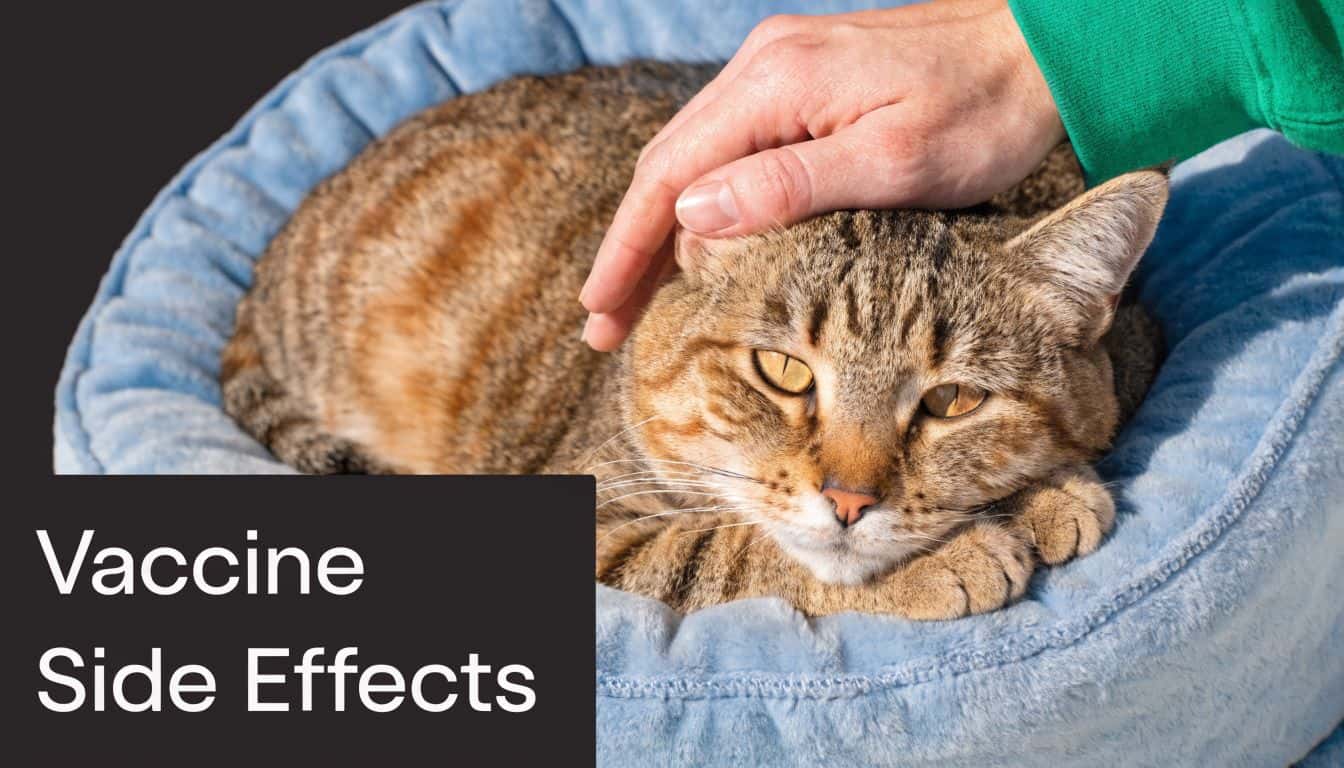
Mild reactions you can usually monitor at home
Keep an eye on your cat if you notice:
- Sleepiness: Your cat is quieter than usual but still responsive
- Mild soreness: They don't want that area touched
- Slight drop in appetite: They eat less than normal for a short period
- Low activity: Resting more than usual
If your cat seems a bit off after vaccines, this article about a cat not eating after vaccination may help you decide what to watch.
Signs that need urgent or emergency attention
Call right away or seek emergency care if you see:
- Facial swelling
- Difficulty breathing
- Repeated vomiting
- Severe weakness
- Rapid worsening instead of gradual improvement
If your cat's breathing looks abnormal, don't wait to see if it passes.
What to do before arriving
Take these steps:
- Keep your cat in a carrier so they stay safe and contained.
- Avoid giving human medications unless your veterinarian advises.
- Note the timing of the vaccine and when symptoms started.
- Bring records if another clinic gave the vaccine.
Text us at 718-301-4030. If symptoms are severe or after hours, go directly to a 24/7 emergency hospital.
Your Cat's Vaccination Visit at Union Vet NY
People often mix up FVRCP and rabies, but they aren't the same vaccine. FVRCP protects against feline viral rhinotracheitis, calicivirus, and panleukopenia. Rabies protects against rabies. Both matter, but they cover different diseases and are handled separately.

A vaccine visit is usually more than a shot appointment. During a wellness visit, the veterinarian checks your cat's eyes, nose, mouth, heart, lungs, skin, and overall condition before giving vaccines. If your kitten has sneezing, discharge, poor appetite, or diarrhea, that exam matters because symptoms can change the plan.
For pet owners in Queens, a wellness appointment at Union Vet NY's pet wellness center may include the physical exam, discussion of vaccine timing, and guidance on what to monitor at home afterward. That helps answer the questions new owners usually have, especially around indoor-cat risk, missed boosters, and normal post-vaccine behavior.
Bring your kitten's adoption paperwork, any prior records, and a list of questions on your phone. That makes the visit smoother and helps you leave with a clear plan.
Frequently Asked Questions about FVRCP
A lot of new cat owners in Queens ask the same practical questions, especially if their cat stays indoors most of the time. That makes sense. Vaccine planning can feel confusing at first, but the answers are usually straightforward once you know your cat's age, health history, and where they are in the series.
What happens if my kitten misses a booster shot
Call your veterinarian and share the date of the last vaccine. The next step depends on your kitten's age and how many boosters they have already received.
Try not to guess. A delayed booster does not always mean you need to start over, but your vet should decide the safest plan.
Is the FVRCP vaccine safe for older cats or cats with health conditions
Many senior cats still need protection, even if they live indoors. The right timing depends on your cat's medical history, current symptoms, and any medicines they take.
If your cat has asthma, kidney disease, diabetes, or another ongoing condition, bring that information to the visit. Your veterinarian can weigh the benefits and decide whether to vaccinate now, delay it, or adjust the schedule.
How much does the FVRCP vaccine cost
The price can vary based on the clinic, whether your cat needs a full exam, and whether other vaccines or tests are due at the same visit. The simplest way to get a clear answer is to call the hospital and ask what the appointment includes.
At Union Vet NY, many owners also use that call to ask a practical question: what does this mean for my indoor cat? That is a good question, and it is one your veterinary team can answer based on your cat's actual routine, not just a generic chart.
Is panleukopenia really that serious
Yes. Panleukopenia is a severe disease that can cause vomiting, diarrhea, fever, dehydration, and profound weakness, especially in kittens.
For indoor-cat owners, the confusing part is often exposure risk. Cats do not have to roam outside to face every infectious threat. Viruses can travel on shoes, hands, carriers, bedding, or during brief contact with other animals. That is one reason FVRCP is treated as a core vaccine.
If you're in Oakland Gardens, Bayside, Fresh Meadows, Glen Oaks, Little Neck, Hollis, or Queens Village and have questions about your cat's vaccine schedule, book a wellness visit with Union Vet NY. Text us at 718-301-4030. If symptoms are severe or after hours, go directly to a 24/7 emergency hospital.
