

How to Choose a Veterinarian in Queens, NY: A Guide for Pet Owners
Finding the right veterinarian is one of the most important decisions you'll make for your pet. It's about more than just annual shots; it's about finding a trusted partner for your pet's entire life. For those of us in Queens neighborhoods like Oakland Gardens, Bayside, and Fresh Meadows, it means finding a local clinic that feels like a part of our community.
This guide provides calm, clear steps to help you find the best care for your pet.
Recognizing Urgent vs. Emergency Situations
Before you choose a veterinarian, it’s helpful to understand when your pet needs immediate help. Knowing the difference can save precious time.
Urgent Care Symptoms (Call Your Vet)
These issues need prompt attention but may not be life-threatening. Your regular vet can often see you the same day.
- Mild vomiting or diarrhea (a few episodes, but pet is still alert)
- Loss of appetite for more than one day
- Sudden limping but still able to bear some weight
- Itchy skin, scratching, or a new rash
- Coughing or sneezing that isn't severe
Emergency Symptoms (Go to a 24/7 Hospital Immediately)
These are life-threatening conditions that require immediate medical intervention.
- Difficulty Breathing: Gasping, choking, constant coughing, or shallow breaths.
- Collapse or Seizure: Fainting, inability to stand, or any seizure activity.
- Major Trauma or Severe Bleeding: Being hit by a car, a serious fight with another animal, or bleeding that doesn't stop with pressure.
- Known Toxin Ingestion: Eating antifreeze, rat poison, chocolate (in large amounts), xylitol, or human medications.
- Straining to Urinate: Especially in male cats, this can indicate a fatal blockage.
If you are unsure, it is always best to seek professional medical advice.
Text us at 718-301-4030. If symptoms are severe or after hours, go directly to a 24/7 emergency hospital.
Your First Steps to Finding the Right Veterinarian
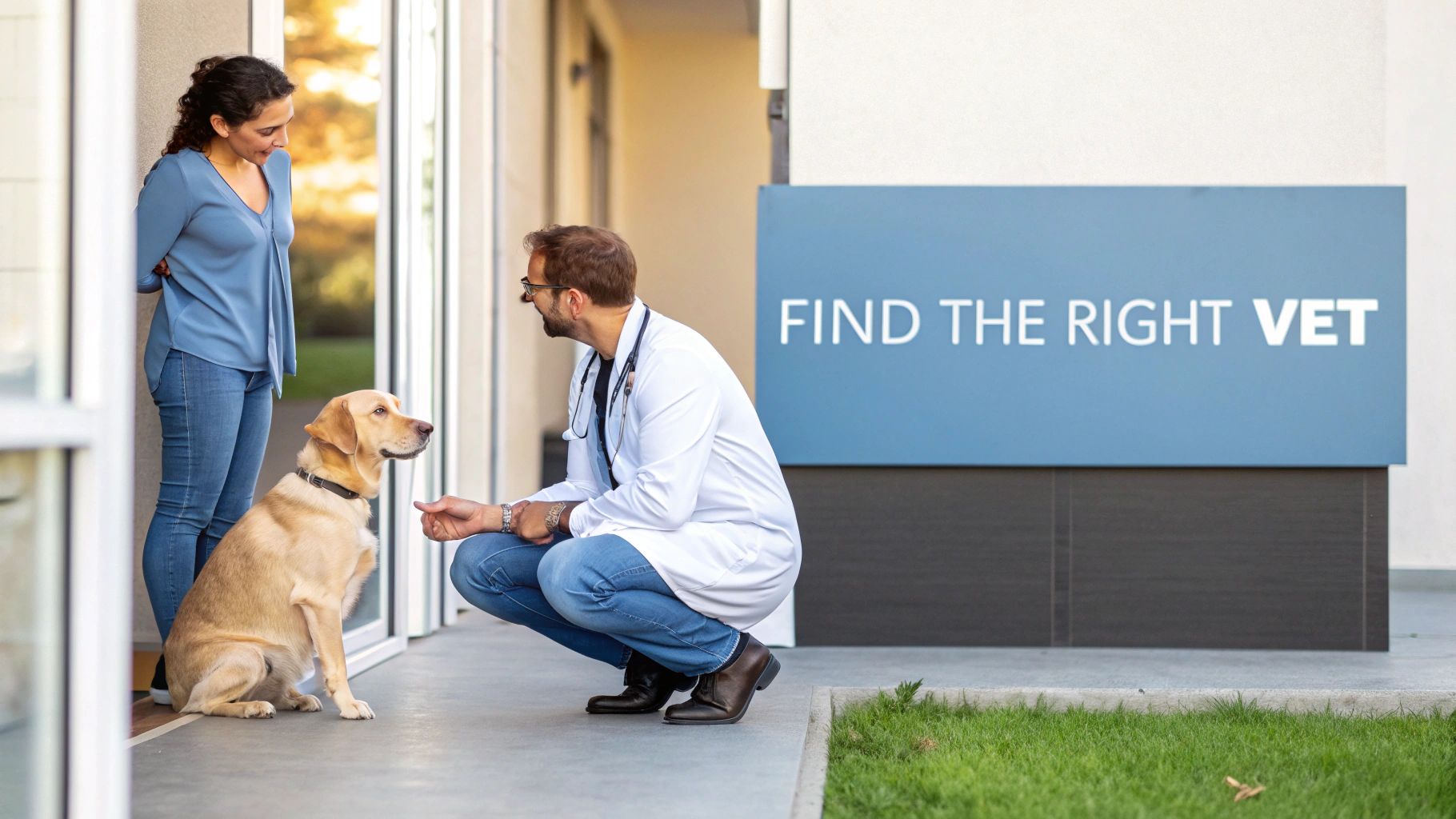
The right vet is the one you’ll call when your puppy eats something questionable, the one who helps manage your senior cat’s health, and the one you trust for routine care. In neighborhoods like Glen Oaks and Little Neck, that local connection really matters.
You are looking for a combination of excellent medical care and genuine compassion, a place where both you and your pet feel comfortable.
Core Pillars of a Great Veterinary Practice
Focus on these key elements to separate a good clinic from a great one.
- Comprehensive Medical Services: Does the clinic handle everything from wellness exams and vaccines to dental cleanings and surgery? Having most services under one roof provides continuity of care.
- Modern Diagnostic Tools: A practice with in-house lab and X-ray equipment can provide answers quickly. When your pet is sick, waiting for test results is stressful.
- Clear Communication: A great veterinarian takes the time to listen and explain. They should outline your options and involve you in the decision-making process.
- Emergency Protocols: What happens if your pet gets sick after hours? Know the clinic’s plan for urgent care and where they refer you for true, middle-of-the-night emergencies.
The demand for quality vet care is growing. The global market was recently valued at over USD 145 billion and is expected to nearly double by 2033. With over 70% of U.S. households now owning a pet, it's more important than ever to choose a vet who invests in modern medicine and upholds high standards of care.
Your veterinarian should be more than a doctor; they should be a trusted advisor who empowers you to make informed decisions for your pet's health. The right partnership provides peace of mind for years to come.
Ultimately, you want to find a practice that feels like home. Our team is always here to answer your questions. Feel free to get in touch with our staff to learn more.
A Look Inside: Evaluating a Clinic’s Medical Services and Technology
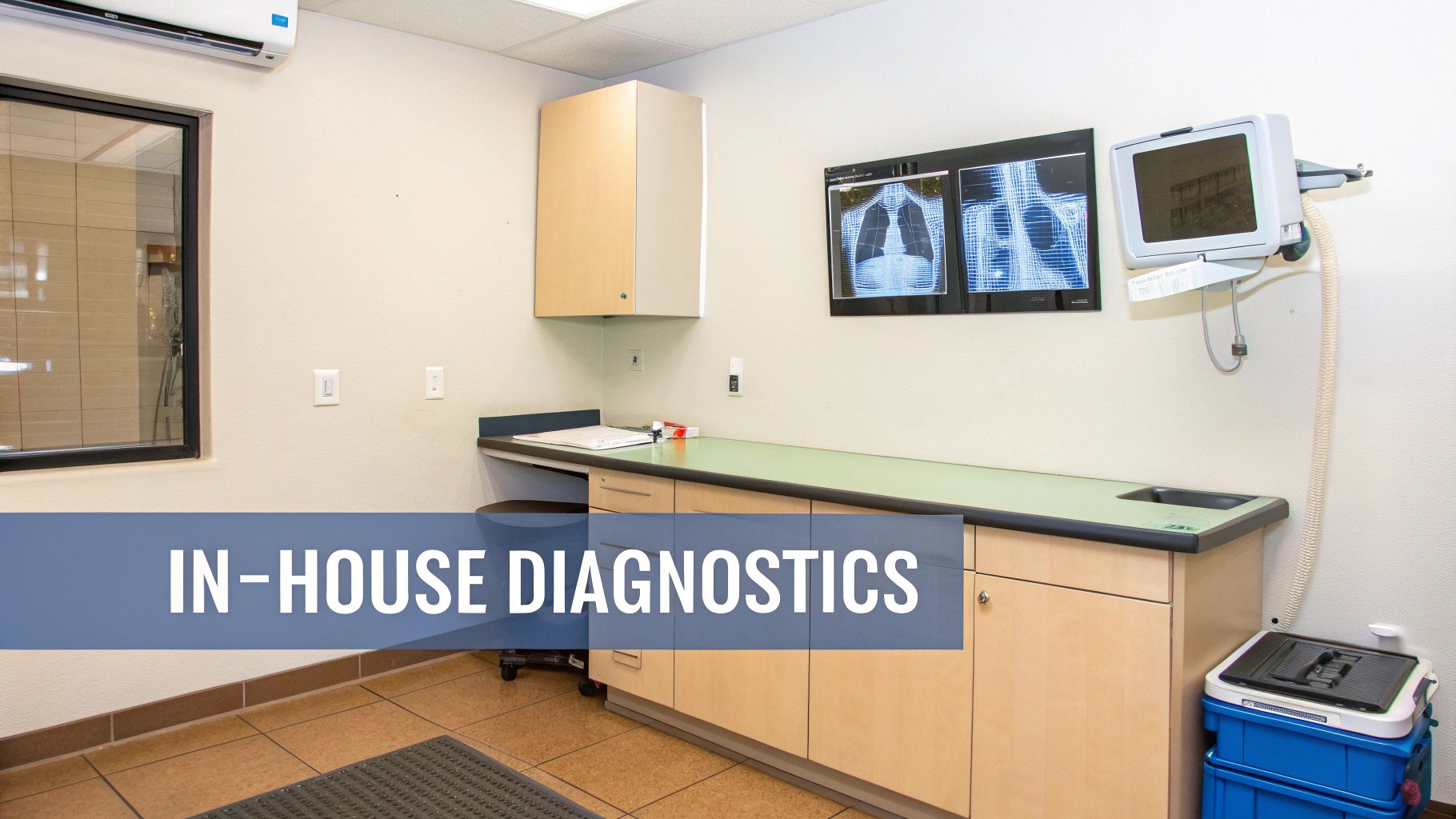
When you're trying to figure out how to choose a veterinarian, the clinic's capabilities are just as important as the friendly faces up front. A great practice in Queens is a hub of advanced care, offering a wide range of services under one roof.
Look beyond the basics. Does the clinic offer comprehensive wellness exams, vaccinations, and sophisticated dental care? A top-tier facility will be equipped with modern tools that make a real difference in your pet's treatment.
The Power of In-House Diagnostics
One of the biggest advantages is a clinic's diagnostic equipment. A practice with its own in-house lab for bloodwork and digital radiology (X-ray) can get you answers much faster than one that sends samples to an outside lab.
When your pet is sick, getting a diagnosis quickly means treatment can start right away. This is critical in urgent situations.
This focus on high-quality care is part of a larger trend. The market for veterinary medicine was recently valued at over USD 38 billion and is projected to climb past USD 56 billion by 2032. This growth is fueled by pet owners who see pets as family and demand better care. You can read more about the trends shaping modern veterinary medicine if you're curious.
Surgical and Specialized Care Capabilities
Surgery is another important area. You'll want to know if the clinic performs routine procedures like spaying and neutering, and if they're set up for more complex operations.
Ask about their protocols for anesthesia and pain management. A modern approach means creating a plan tailored to your pet's age, breed, and health status.
A clinic that invests in a wide range of services—from surgery to nutrition counseling—is a clinic that's fundamentally invested in the long-term health of your pet. It shows a real commitment to providing the best possible care through every stage of life.
Keep an eye out for specialized services like:
- Nutritional Counseling: The right diet can manage chronic conditions. A clinic that offers prescription diets has a deep understanding of therapeutic nutrition.
- Internal Medicine: This is key for diagnosing and treating diseases affecting internal organs—a crucial service for managing complex health issues.
- Advanced Dental Care: This should include dental X-rays and extractions, which are vital for preventing pain and other health problems.
For those of us in Oakland Gardens, Bayside, and surrounding areas, having these services locally is a huge plus. It means you get continuity of care from a team that knows your pet's history. You can see a full list of what we offer by checking out our comprehensive veterinary services in Queens.
Text us at 718-301-4030. If symptoms are severe or after hours, go directly to a 24/7 emergency hospital.
Gauging a Vet's Communication and Patient Care Style

Technical skill is non-negotiable, but it's only half the story. How a veterinarian communicates with you and handles your pet is just as critical. The goal should always be a calm, positive experience.
From your first phone call to the initial visit, notice if the staff is patient and willing to answer your questions. A great team makes you feel like a partner in your pet’s care.
The Importance of Low-Stress Handling
A trip to the vet can be stressful for an animal. Many clinics now use low-stress or fear-free techniques to improve the experience. For pet owners in Queens communities like Hollis and Queens Village, this is an important factor. A calm pet is easier to examine, leading to a more accurate diagnosis.
What this looks like in practice:
- Gentle Handling: Using minimal restraint and letting the pet set the pace.
- Positive Reinforcement: Using treats to build a good association with the clinic.
- Calm Environment: Speaking in quiet tones and providing a relaxed atmosphere.
- Pheromone Diffusers: Using products like Feliway for cats or Adaptil for dogs to create a sense of security.
When a clinic makes these methods a priority, it shows a deep respect for your pet’s emotional well-being.
A veterinarian's true skill is shown not just in how they treat an illness, but in how they treat the patient. Compassionate handling and clear communication are the cornerstones of a trusting, lifelong veterinary relationship.
Clear Explanations and Shared Decisions
A great communicator will take the time to break down complex medical information. They should lay out all reasonable options, explaining the pros, cons, and costs of each. The final decision should be one you make together.
This partnership is built on trust and ensures the care plan works for your family and your budget. A good vet will welcome your questions and be happy to talk about their philosophy on communication.
Text us at 718-301-4030. If symptoms are severe or after hours, go directly to a 24/7 emergency hospital.
Understanding a Clinic's Emergency and Urgent Care Protocols
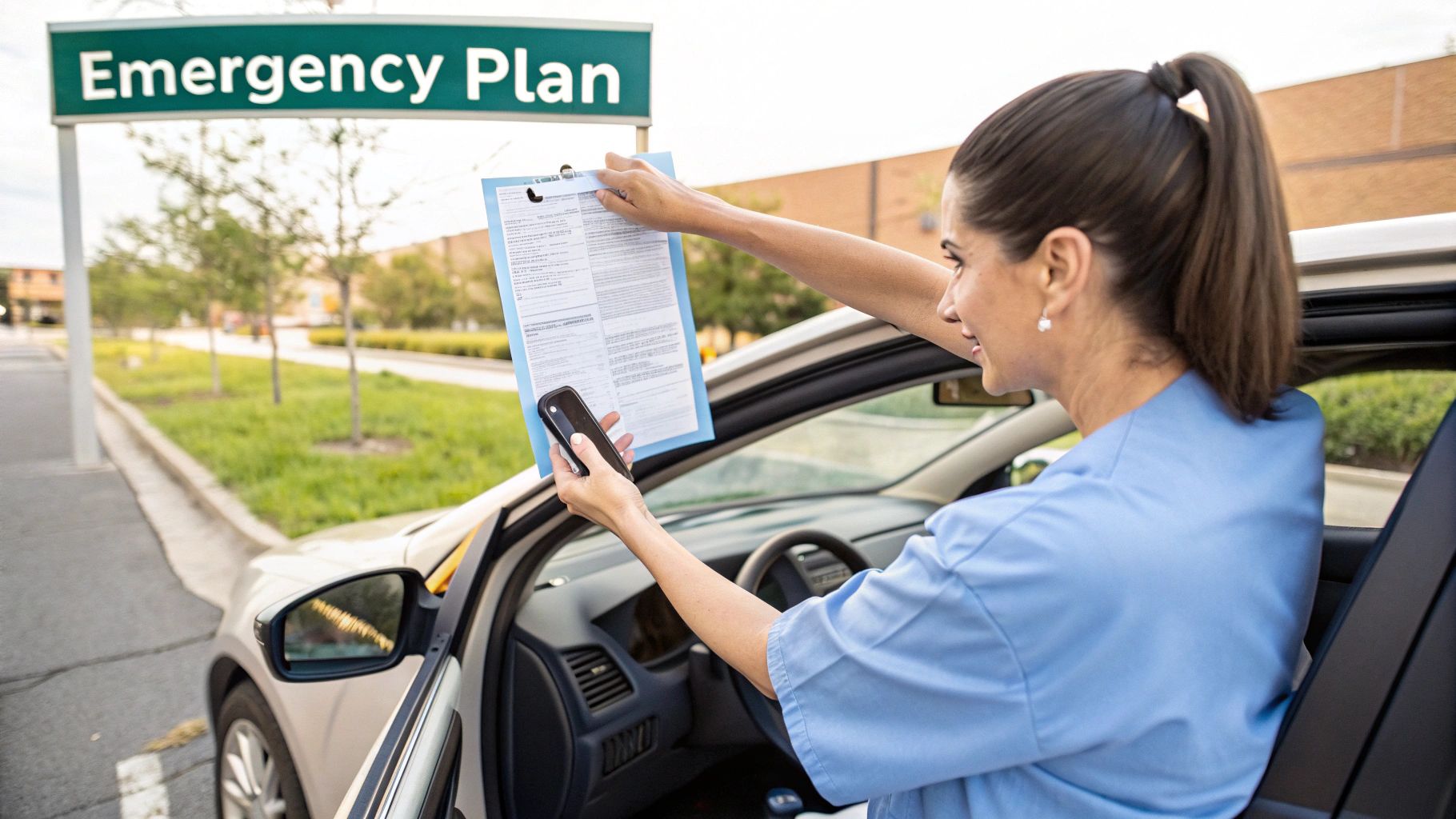
A pet emergency is a stressful experience. Knowing a vet's emergency plan before you need it is one of the most important steps you can take. When researching a clinic in Queens, ask them directly: "What is your process for emergencies, both during and after hours?"
Urgent Care During Business Hours
A key factor in choosing a vet is whether they can accommodate same-day sick appointments for issues that are urgent but not life-threatening. A great practice has a system to see sick pets quickly, often saving you a trip to an emergency hospital.
After-Hours Emergency Protocols
Most primary vets in neighborhoods like Oakland Gardens and Fresh Meadows are not open 24/7. A responsible clinic will have a clear plan for when they're closed. They should be able to direct you to a trusted, local 24/7 emergency hospital they partner with.
Save your vet’s number and the number for their recommended emergency hospital in your phone. This simple step can save you from frantic searching during a crisis.
Before You Arrive at the Clinic
If you have time, there are a few things you can do to help the veterinary team.
- Call Ahead: If possible, call the clinic to let them know you are on your way. This allows them to prepare for your arrival.
- Bring Records: If you are going to an emergency hospital that is not your regular vet, bring any of your pet’s medical records or a list of current medications.
- Secure Your Pet: Keep your pet safely confined in a carrier or on a leash for their safety and the safety of others.
- Avoid Human Medications: Do not give your pet any human medications unless explicitly told to do so by a veterinarian. Many are toxic to animals.
Following these steps can help ensure your pet gets the care they need as quickly and safely as possible. You can learn more in our guide on what to do during a pet emergency in Queens.
Text us at 718-301-4030. If symptoms are severe or after hours, go directly to a 24/7 emergency hospital.
Frequently Asked Questions About Choosing a Vet in Queens
Picking a new vet is a big decision. We’ve answered some common questions from pet owners in Oakland Gardens, Bayside, and other Queens neighborhoods.
What questions should I ask a potential new vet?
Your first visit is a chance to see if the veterinarian is a good fit. Come prepared with a few questions:
- What is your approach to preventive care?
- How do you handle anxious or fearful pets?
- What is the best way to contact you with a non-urgent question?
- How are prescription refills handled?
- Can you explain your process for a common procedure like a dental cleaning?
A veterinarian who welcomes these questions is likely committed to building a strong partnership with you.
What are some red flags to watch out for in a vet clinic?
Trust your instincts. If something feels off, it probably is. Pay attention to these signs:
- An unclean or disorganized clinic environment.
- Staff that seems rushed, stressed, or dismissive.
- A lack of transparency about costs. A good practice provides a detailed estimate before any major treatment.
- Pressure to agree to expensive treatments without a clear explanation of all options.
- Hesitation to refer you to a specialist for a complex case.
How do I know when it is time to switch veterinarians?
It can be a difficult decision, but your pet's health comes first. Common reasons for switching include:
- Poor Communication: Feeling rushed, confused, or that your concerns are not taken seriously.
- Negative Experiences: Consistently chaotic visits or poor interactions with staff.
- Difficulty Getting Appointments: Struggling to be seen when your pet is sick.
To switch, simply call your chosen new clinic. They will have you sign a release form to request your pet’s medical records from your previous veterinarian.
I live in Oakland Gardens. What makes a local vet a good choice?
Choosing a local vet in or near Oakland Gardens has practical advantages. Being close by reduces travel stress, especially in an emergency or if your pet dislikes car rides. A short trip from Fresh Meadows or Little Neck makes everything easier. A local vet also understands community-specific health risks, like the prevalence of ticks in local parks. Finally, a neighborhood practice is built on relationships, often leading to more personal and attentive care.
At Union Vet NY, we’re proud to be that trusted local partner for pets and their families in Queens. We invite you to see our compassionate, skilled approach to veterinary care for yourself.
